

A shift in transportation policy is underway in the United Kingdom, as the British government recently approved a new per-mile tax for electric vehicles, a move reversing earlier incentives aimed at promoting EV adoption. effective April 2028, the levy-estimated too cost owners between £200 and £300 annually-seeks to address declining fuel duty revenues and concerns over road wear and tear. The controversial tax is already drawing criticism from industry groups who fear it will discourage consumers from switching to electric vehicles and perhaps stall the country’s progress toward emissions reductions.
Politicians had promised motorists significant savings by switching from older combustion engine vehicles to electric cars. However, the reality is proving to be quite different, at least in the United Kingdom. The British government recently approved a new tax on electric vehicles as part of its budget. This levy will cost British EV owners between £200 and £300 annually, roughly €230 to €340, but could be substantially higher depending on mileage.
Foto: Škoda-Auto
When charging an electric vehicle, you don’t pay fuel duty. And the British government isn’t pleased about that. Further changes are likely to follow.
The new tax, slated to take effect in April 2028, will apply to all electric vehicles – from compact electric Fiats to luxury Range Rovers. All owners will pay a uniform rate of three pence per mile driven, with plug-in hybrids assessed at half that amount. The fee will also increase annually. According to a report released by the UK’s Office for Budget Responsibility, the scheme is projected to generate approximately £1.4 billion per year for the government in 2029 and 2030.
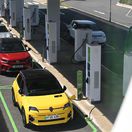 Čítajte viac End of the golden age? Britain also considers a tax on electric vehicles
The new levy is already drawing criticism. James Courts, Head of Policy at Octopus Electric Vehicles, stated, “EV drivers should pay, but it needs to be at the right time and at the right level. Now is too early; EVs represent only four percent of cars on British roads, meaning the tax will have a minimal effect while discouraging many motorists from purchasing electric vehicles.”
 Čítajte viac Swiss want to tax ‘EV drivers’. Due to road damage
Courts added that “a thoughtful plan is needed to best and most fairly manage the shift in vehicle composition to benefit all road users.” The Office for Budget Responsibility (OBR) shares this view, estimating the new tax will result in 440,000 fewer electric vehicle sales by the end of 2031. Despite the concerns, the UK’s new tax is moving forward, and similar measures are being considered in other countries, including Switzerland.
 Čítajte viac Canada imposes new tax on electric vehicle weight. They allegedly destroy roads
The new fees are intended to offset losses in government revenue resulting from electric vehicle owners not paying fuel duty. There’s also the argument that EVs are heavier and therefore contribute more to road wear and tear. The controversy surrounding these moves stems from the fact that lower running costs – compared to gasoline and diesel – were key selling points for electric vehicles. The new tax diminishes this advantage and could slow the transition to electric cars. This development comes as governments worldwide grapple with funding infrastructure as vehicle fleets evolve.
