
UK Prime Minister Keir Starmer Slams Trump and Putin Over Global Energy Costs
British Prime Minister Keir Starmer has voiced sharp frustration with U.S. President Donald Trump and Russian President Vladimir Putin, claiming their global actions are directly impacting the cost of living for British citizens. In a rare public critique of the U.S. Leader, Starmer stated he is “fed up” with the volatility of energy prices affecting households and businesses across England.
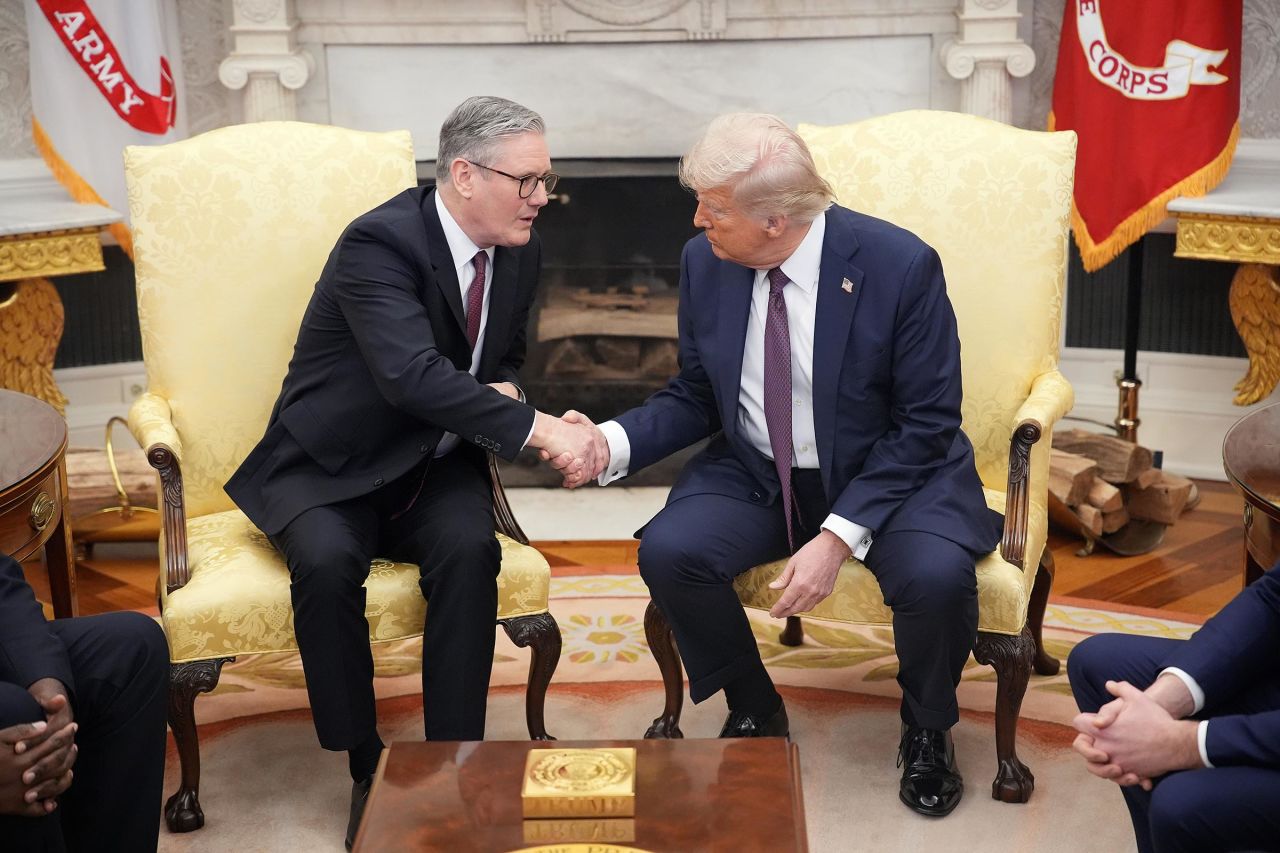
Speaking in an interview with ITN on Thursday, April 9, 2026, Starmer linked the fluctuating energy bills of UK families and companies to the maneuvers of both Trump and Putin. This outspoken stance highlights a growing diplomatic rift between Washington and its European allies, further straining the NATO alliance amid ongoing instability in the Middle East.
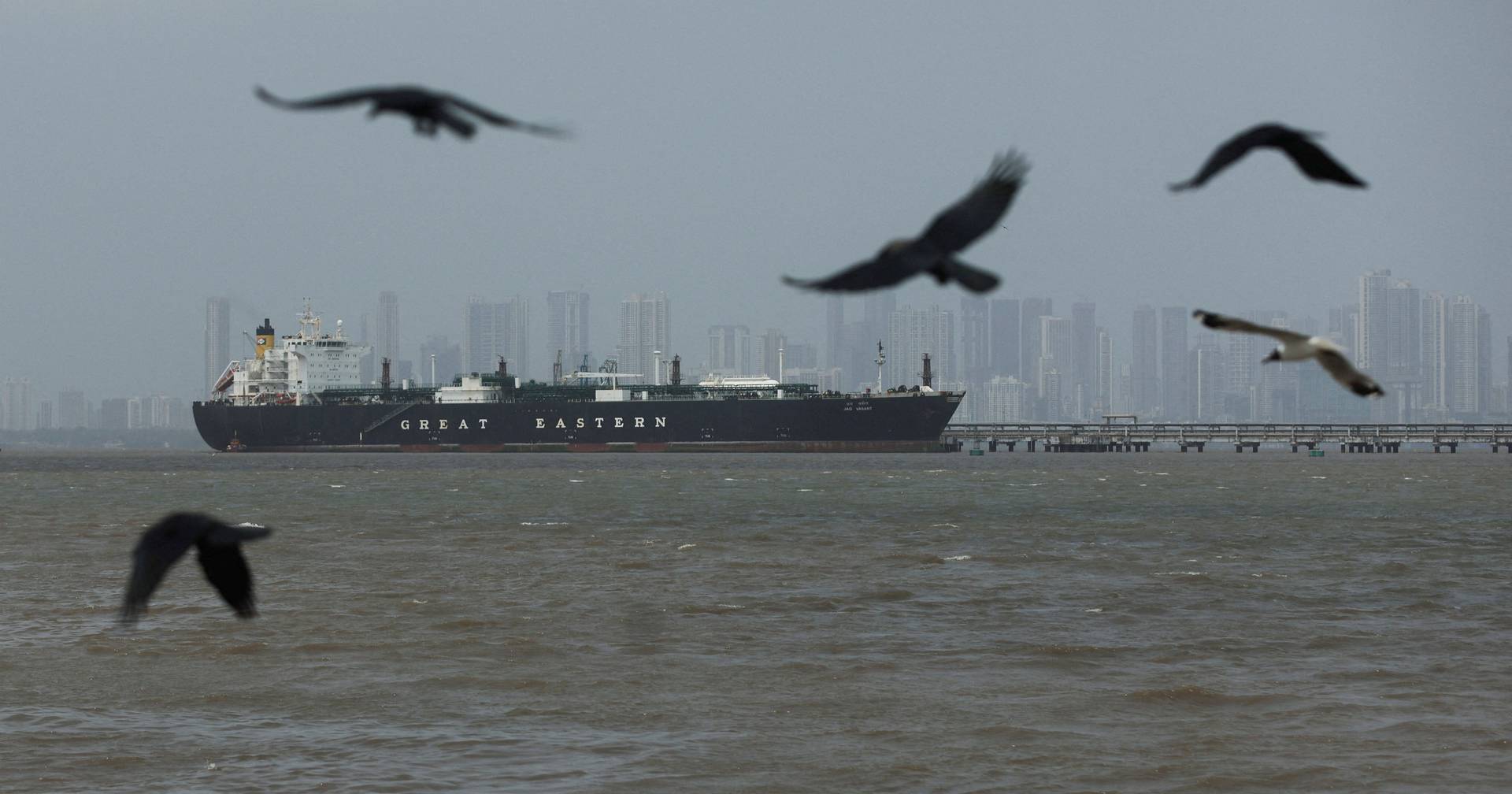
The Prime Minister’s comments follow his arrival in the Persian Gulf, where he is meeting with high-ranking officials to address the fallout of the American war against Iran. The conflict has contributed to rising oil prices, as investors remain wary of the stability of the ceasefire between the U.S. And Iran, as well as complications in the Strait of Hormuz.
Beyond energy concerns, Starmer expressed disagreement with President Trump regarding Israel’s military actions in Lebanon. The Prime Minister called for an end to the attacks, which have sparked intense debate over the potential violation of a truce established on Tuesday, April 7, 2026.
The tension between the two leaders is underscored by a broader divergence in foreign policy. While Trump has previously expressed frustration with Putin over the continued invasion of Ukraine and its human cost, he has remained at odds with Starmer over the recognition of a Palestinian state.
This escalation in rhetoric underscores the fragility of current Western diplomatic ties and the direct economic consequences that geopolitical conflicts in the Middle East and Eastern Europe impose on European domestic stability.
