
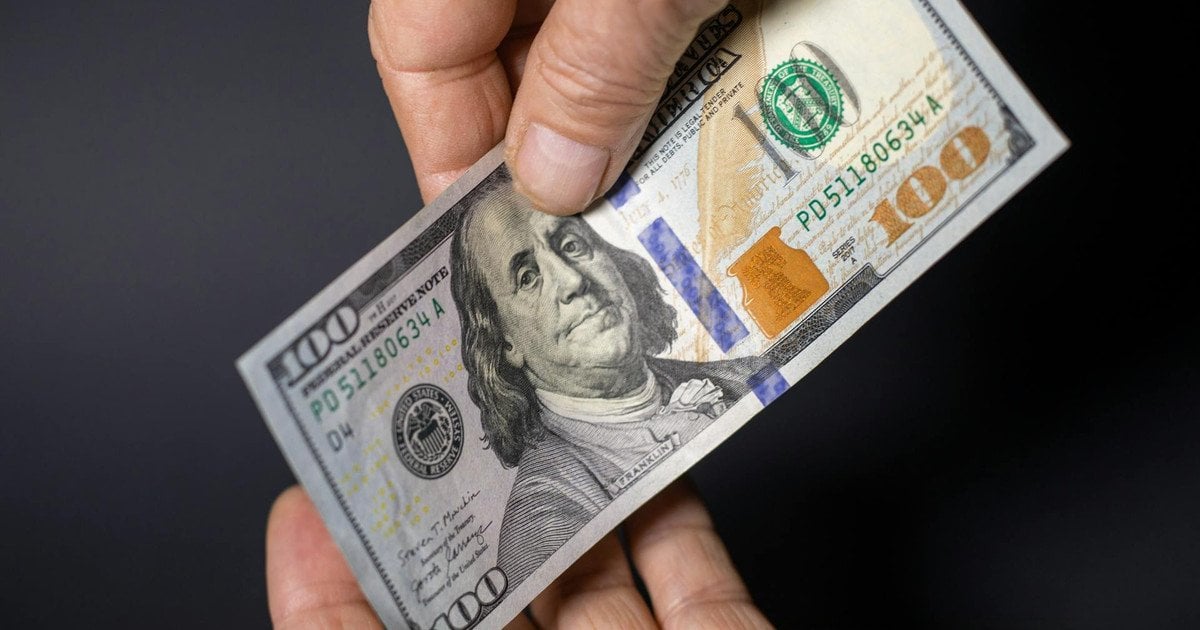
Ukrainian currency markets remained volatile in mid-April as the euro, and U.S. Dollar continued to strengthen against the hryvnia, according to official exchange rates released by Ukraine’s Ministry of Finance and reported by multiple financial outlets. On Saturday, April 18, the official exchange rate set by the National Bank of Ukraine showed the U.S. Dollar trading at approximately 27.25 hryvnias, whereas the euro was valued at around 29.80 hryvnias. The Polish zloty also saw modest movement, trading at about 6.80 hryvnias per unit, according to data cited by TSN. By Monday, April 20, the euro had accelerated its upward trajectory, with the Ministry of Finance reporting an official rate of 30.10 hryvnias per euro — a notable increase from the previous day. The U.S. Dollar held steady near 27.30 hryvnias, reflecting continued demand for foreign currency amid ongoing economic uncertainty. Analysts pointed to a combination of external pressures and domestic market dynamics driving the trend. Rising global oil prices, increased demand for hard currency due to import needs, and lingering concerns over foreign exchange liquidity were cited as key factors behind the hryvnia’s depreciation. Some experts noted that seasonal fluctuations in trade flows and delayed inflows of foreign assistance had further tightened supply in the interbank market. Retail exchange points across Ukraine reflected similar trends. On April 19, commercial banks and currency exchange offices in major cities reported selling the U.S. Dollar at rates between 27.50 and 27.80 hryvnias, while the euro traded from 30.00 to 30.40 hryvnias, depending on location and institution. These retail rates typically exceed official levels due to commissions and market margins. The situation prompted renewed discussion about Ukraine’s vulnerability to external shocks, particularly those tied to energy markets and global financial flows. Observers highlighted the country’s continued reliance on imported energy and the sensitivity of its currency to shifts in eurozone and dollar-denominated trade — a dynamic some referred to as “Ormuz dependence,” referencing the strategic importance of maritime chokepoints in global energy supply chains. Despite the pressure on the hryvnia, officials reiterated that the National Bank of Ukraine continues to monitor market conditions closely and stands ready to intervene if necessary to prevent excessive volatility. No formal policy changes were announced during the period, and authorities emphasized their commitment to maintaining exchange rate stability within the framework of the current floating regime. As of late April, market participants remained watchful, with many expecting continued fluctuation in the coming weeks depending on the evolution of global commodity prices, international financial support, and domestic fiscal developments. The currency situation remains a key indicator of broader economic resilience amid ongoing geopolitical and financial challenges.
Ukraine Currency Exchange Rates: USD and EUR Trends
1

previous post