
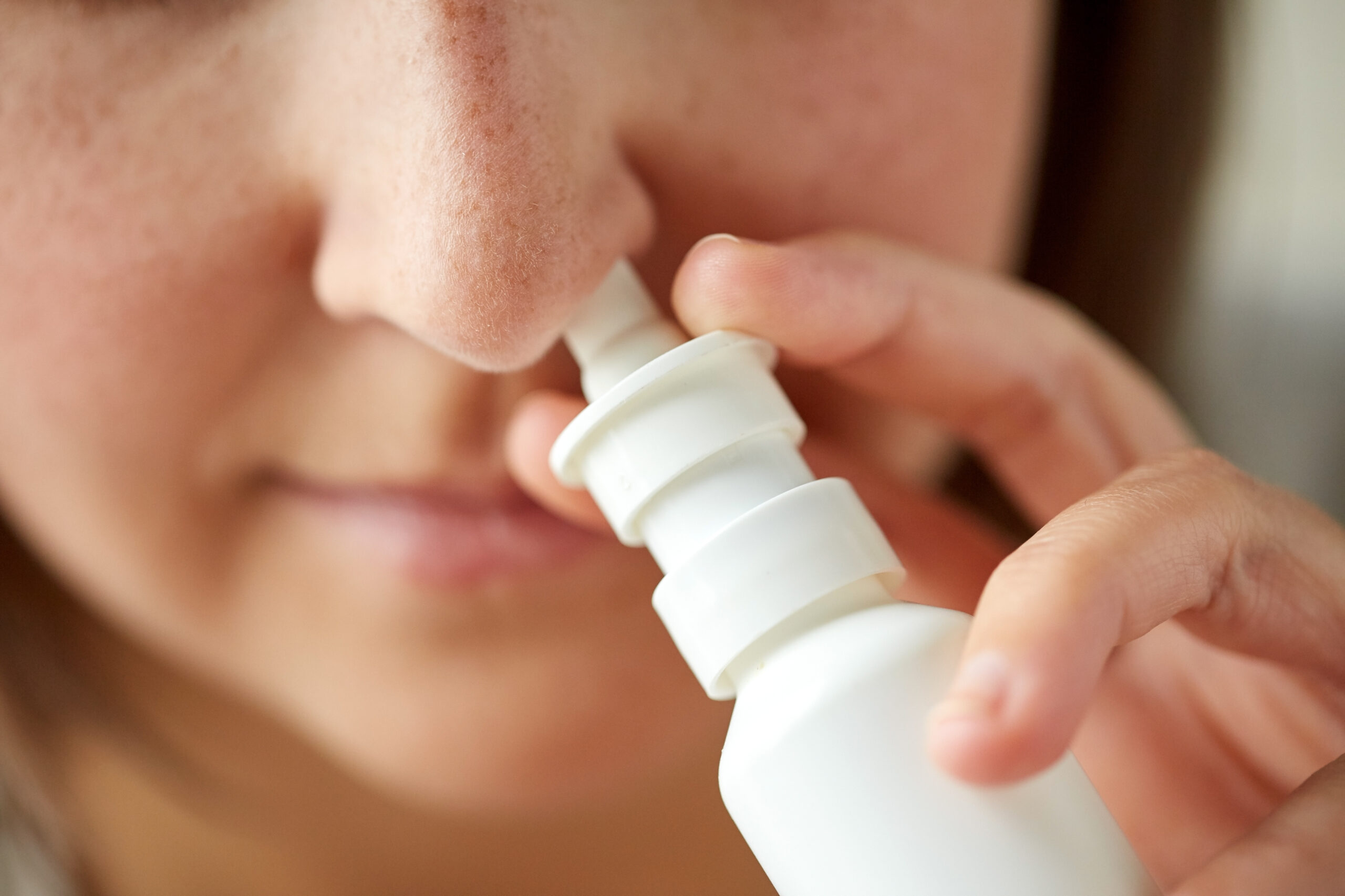
A new experimental study in mice suggests a potential universal vaccine could protect against a wide range of respiratory pathogens, with long-lasting effects, researchers report.
The development of a single vaccine capable of defending against all respiratory illnesses has long been a goal in medical research. Now, scientists in the United States believe they have taken a significant step forward in achieving this aim. This research offers a potential pathway to broader protection against both known and emerging respiratory threats, a critical area of public health concern.
Researchers were surprised by the success of their function. A study conducted on mice developed a universal vaccine formula designed to protect against a variety of respiratory viruses, bacteria, and even allergens. The vaccine, administered intranasally, is expected to provide comprehensive lung protection for several months, according to the scientists.
Published in Science in February, the study showed that mice vaccinated with the new formula were protected against SARS-CoV-2 and other coronaviruses, as well as Staphylococcus aureus, Acinetobacter baumannii, and house dust mites. In fact, the new vaccine demonstrated effectiveness against a remarkably broad spectrum of tested respiratory infections, reported Professor Bali Pulendran, an immunologist at Stanford Medicine and senior author of the study.
A Long-Held Goal Could Become Reality
According to the researchers, the new vaccine differs from all previous iterations. Since the late 18th century, all vaccines have been based on the same principle: antigen specificity. “Antigen-specific vaccines, but, fail when a pathogen mutates or new pathogens emerge – the reason for regular booster shots, for example, against SARS-CoV-19 or influenza,” said Pulendran, adding, “It is becoming increasingly clear that many pathogens can mutate rapidly. Like the proverbial leopard changing its spots, a virus can alter the antigens on its surface.”
Most attempts to develop a universal vaccine have aimed to generate immunity against an entire virus family by mimicking evolutionarily conserved viral components that are less likely to mutate. A truly universal vaccine, effective against a diverse range of pathogens, had previously seemed like an unattainable goal. “We were fascinated by this idea because it sounded somewhat audacious,” Pulendran admitted. “I don’t think anyone had seriously considered that something like this might ever be possible.”
What Sets This Universal Vaccine Apart
The new vaccine doesn’t attempt to mimic a part of a pathogen. Instead, it imitates the signals that immune cells use to communicate with each other during an infection. This novel strategy integrates the two branches of immunity – innate and adaptive – creating a feedback mechanism that maintains a broad immune response.
The adaptive immune system is the foundation of current vaccines, producing specialized substances like antibodies and T-cells that target specific pathogens and remember them for years. The innate immune system, which activates within minutes of an infection, has historically received less attention. This is because it typically remains active for only a few days before giving way to the adaptive immune system.
Pulendran’s team was intrigued by the versatility of the innate immune system, which consists of generalists (such as dendritic cells, neutrophils, and macrophages) that destroy anything identified as a pathogen. “The remarkable thing about the innate system is that it can protect against a wide variety of microbes,” Pulendran emphasized. While short-lived, innate immunity offers a nearly universal defense.
Months-Long, Cross-Protective Immunity
There has long been evidence that innate immunity can persist for longer periods under certain circumstances. The best-studied example is the BCG vaccine (Bacillus Calmette-Guérin) against tuberculosis, administered annually to approximately 100 million newborns. Epidemiological and clinical studies have shown it can reduce infant mortality from other infections, suggesting the cross-protection could last for months. However, this phenomenon doesn’t occur consistently, and the underlying mechanism remained a mystery for a long time.
In 2023, Pulendran’s team published research that clarified the mechanism in a mouse study. Like other vaccines, the tuberculosis vaccine triggered both innate and adaptive immune responses in the mice. Unusually, the innate immune response in Pulendran’s study persisted for several months. The researchers discovered that T-cells recruited to the lungs as part of the adaptive immune response sent signals to the innate immune system.
“These T-cells delivered a critical signal to sustain activation of the innate immune system. Normally, this activation lasts for a few days to a week, but in this case, it was up to three months,” Pulendran explained. The scientists demonstrated that, as long as the innate immune response remained active, the mice were protected from SARS-CoV-2 and other coronavirus infections. They identified the signals sent by the T-cells as cytokines that activate Toll-like receptors (TLRs) on cells of the innate immune system.
“In that study, we speculated that – now that we know how the tuberculosis vaccine mediates its cross-protective effect – it might be possible to develop a synthetic vaccine (perhaps a nasal spray) that contains the right combination of TLR stimuli and an antigen to bring T-cells into the lung,” Pulendran explained. “Two and a half years later, we’ve shown that exactly what we suspected is feasible in mice.”
A Vaccine with a Two-Pronged Approach
The new vaccine, tentatively named GLA-3M-052-LS+OVA, mimics the T-cell signals that directly stimulate innate immune cells in the lungs. It also contains a harmless antigen, an egg protein called ovalbumin (OVA), which attracts T-cells to the lungs to maintain the innate immune response for weeks to months.
In the study, mice received a drop of the vaccine into their noses. Some of the animals received multiple doses spaced a week apart. Subsequently, each mouse was exposed to a specific respiratory virus. With three doses, the mice were protected against SARS-CoV-2 and other coronaviruses for at least three months.
Unvaccinated mice experienced dramatic weight loss and often death from these viruses. Their lungs were inflamed and filled with viruses. Vaccinated mice lost significantly less weight and all survived, with their lungs remaining virtually virus-free. The vaccine delivers a “double hit” to viral infections, according to Pulendran: the prolonged innate immune response reduces the viral load in the lungs by 700-fold. Viruses that break through this initial defense are met with a rapid adaptive immune response in the lungs.
“The lung’s immune system is so vigilant that it can launch the typical adaptive immune responses – virus-specific T-cells and antibodies – within just three days. That’s an extraordinarily short timeframe,” Pulendran noted. “It normally takes two weeks in an unvaccinated mouse.”
Excited by the vaccine’s ability to ward off different types of viral infections, the researchers expanded their testing to bacterial respiratory infections, S. Aureus and A. Baumannii. Vaccinated mice were also protected against these pathogens for about three months. “Then we asked ourselves, ‘What else could get into the lung?’” The answer, naturally, was: “Allergens.”
Pulendran and his colleagues exposed the mice to a house dust mite protein. Unvaccinated mice showed a strong Th2 response and mucus buildup in their airways. The vaccine suppressed the Th2 response, and the airways of vaccinated mice remained clear.
Available in Five to Seven Years?
“I think we’ve developed a universal vaccine against a variety of respiratory diseases,” Pulendran concluded. The researchers hope to test the vaccine in humans next, starting with a Phase I safety study and, if successful, a larger study where vaccinated individuals are exposed to infections. Pulendran estimates that two doses of a nasal spray would be sufficient to protect people.
Optimistically, with sufficient funding, Pulendran estimates a universal respiratory vaccine could be available in five to seven years. It could serve as a bulwark against new pandemics and simplify seasonal vaccinations, the scientist believes.
“Imagine getting a nasal spray in the fall that protects you from all respiratory viruses, including SARS-CoV-2, influenza, respiratory syncytial viruses, and the common cold, as well as bacterial pneumonia and spring allergies,” said Pulendran. “That would revolutionize medicine.”
(ac)
