
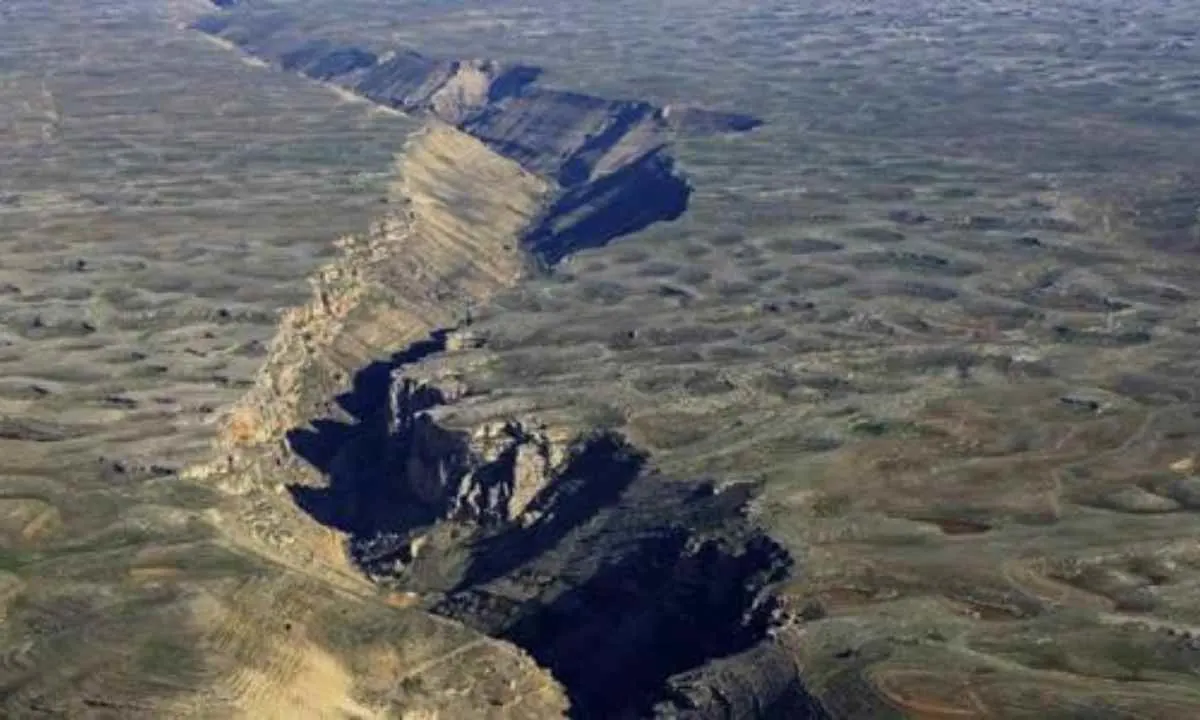
Geological Anomaly: Unprecedented Pacific Plate Fracture Sparks Scientific Concern
Researchers have detected a significant and unprecedented fracture beneath the Northwest Pacific Ocean, a geological event that is prompting urgent analysis from the scientific community. The discovery is particularly striking because the rupture occurred without the trigger of a traditional earthquake, a detail that has increased the level of concern among experts.
A Departure from Traditional Seismology
While the Earth’s crust is constantly shifting, this specific break in the tectonic plate is described as an anomaly. According to reports, the fact that this fracture did not originate from a standard seismic event suggests a different and potentially more complex mechanism of structural failure. This lack of immediate seismic activity is precisely what has scientists unsettled, as it deviates from the known patterns of plate tectonics.
The ability to detect such a subtle yet massive shift highlights the increasing precision of modern geological monitoring systems, which allow scientists to observe planetary changes that would have previously gone unnoticed.
Potential for Planetary Reconfiguration
The scale of the rupture has led to speculation regarding its long-term impact on the Earth’s geography. Early observations suggest that the fracture could potentially reconfigure the planet’s surface, though the exact nature and extent of these changes remain undetermined.
Beyond the immediate structural shift, there is growing concern over whether this instability could serve as a precursor to a major earthquake. Scientists are currently monitoring the region to determine if the stress created by this fracture will eventually be released in a catastrophic seismic event.
As the situation develops, the scientific community remains focused on understanding what is breaking beneath the Pacific and how this unprecedented event might alter the global geological landscape.
