
U.S. Military Escalates Pacific Drug Interdiction With Lethal Strikes
The United States military has intensified its campaign against narcotics trafficking in the Eastern Pacific, leaving at least seven people dead over a three-day period in mid-April. The surge in lethal engagements underscores a significant shift in how the U.S. Is addressing maritime smuggling routes.
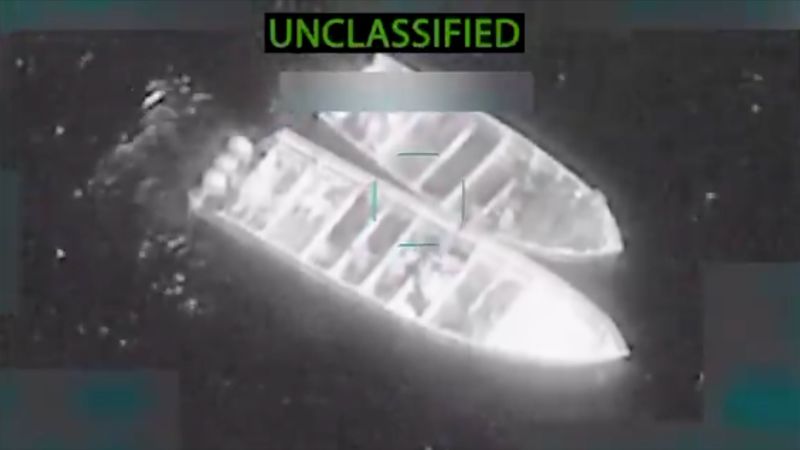
On April 13, 2026, a U.S. Strike targeting a vessel in the Pacific Ocean resulted in the deaths of two crew members. According to the U.S. Southern Command (SOUTHCOM), intelligence confirmed the ship was operating along known smuggling routes and was actively involved in narcotics operations. No American service members were injured during the engagement.
This latest incident follows a previous wave of attacks on April 11, 2026, where five people were killed during raids on suspected drug boats. In total, seven individuals have been killed in just three days.
The strategy driving these operations is what SOUTHCOM describes as “total systemic friction” aimed at destabilizing the operational capacity of drug cartels. This aggressive posture is part of a broader trend that began in early September 2025, during which time more than 160 people have been killed in U.S. Strikes against suspected smuggling vessels in international waters. This escalation follows the U.S. Government’s decision to designate drug smugglers as terrorist organizations.
The transition toward lethal military strikes in international waters signals a hardening of U.S. Policy, treating narcotics trafficking as a high-level security threat. While the U.S. Military continues to document these naval engagements against suspected drug boats, the specific locations of the vessels and the exact evidence used to trigger the strikes are often not disclosed in official press statements.
The recent attacks in the Eastern Pacific reflect a growing willingness to use lethal force to disrupt the flow of illicit substances into the United States.
