

US-Iran Peace Efforts Stall in Islamabad as VP Vance Warns Against Diplomatic Games
High-stakes diplomatic efforts to end the conflict between the United States and Iran reached a critical impasse following a marathon session of talks in Pakistan. Vice President JD Vance, who led the highest-level American delegation to Iran in nearly five decades, has indicated that while he maintains a very quality feeling about a potential agreement, he acknowledges that the deep-seated mistrust between the two nations will not be easily erased.
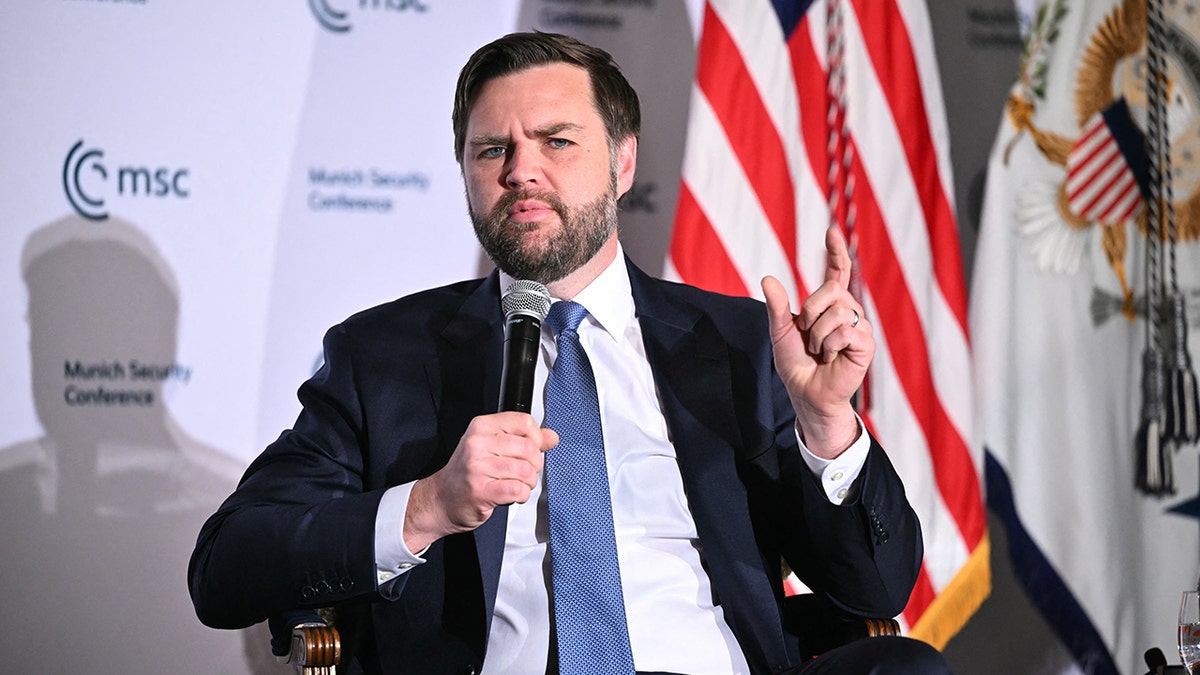
The negotiations, which took place on April 11, 2026, in Islamabad, saw Vice President Vance and Iranian Parliament Speaker Mohammad Bagher Qalibaf meet with Pakistani Prime Minister Shehbaz Sharif. Despite a 21-hour effort to shore up a fragile ceasefire and pave a path toward peace, the delegations departed without reaching an agreement. This diplomatic deadlock underscores the volatility of the region, where the prospect of peace remains tethered to violent clashes and complex proxy dynamics.
Following the collapse of the talks, Vance asserted that the ball is now in Tehran’s court. The Vice President had previously issued a stern warning to Iranian officials, urging them not to “try and play” the United States during these peace negotiations.
The path to a resolution is further complicated by the escalating war in Lebanon. Tehran has maintained that it will not participate in negotiations until Israel ceases its bombing campaigns in Lebanon, which saw some of its deadliest attacks in Beirut on April 9, 2026. Adding to the friction, reports suggest that Hezbollah is pressuring the government to cancel negotiations with Israel, highlighting the influence of militant groups on formal diplomatic channels.
Beyond the peace table, military and maritime tensions continue to simmer. There is significant uncertainty regarding the passage of tankers and whether negotiations might resume to address these critical shipping lanes. Questions persist regarding the effectiveness of the current U.S. Naval blockade and if it leaves room for further diplomatic concessions.
In a related development, officials Berendsen and Rubio have been in discussions concerning the ongoing mission in the Strait of Hormuz, as the U.S. Attempts to balance military pressure with the goal of a lasting peace. The outcome of these maritime and diplomatic maneuvers will likely determine the stability of global energy markets and the future of Middle Eastern security.
