
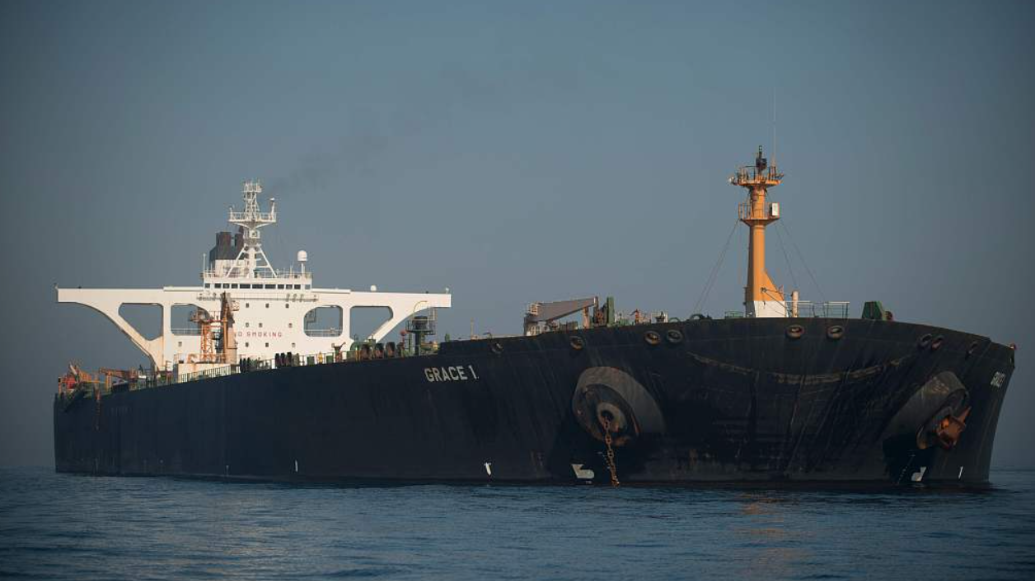
U.S. Military officials say they are maintaining a comprehensive surveillance and blockade of Iranian ports, with operations expected to continue as long as ordered by the president.
The head of U.S. Central Command, General Michael Kurilla, stated that American forces have sufficient resources to monitor and block all vessels attempting to enter or exit Iranian ports via the Strait of Hormuz. He emphasized that the blockade will remain in effect “as long as the president orders it to be maintained.”
According to Kurilla, the U.S. Military’s surveillance covers “every Iranian port,” utilizing assets such as MQ-9 Reaper drones and P-8 Poseidon maritime patrol aircraft for aerial reconnaissance. He added that the operation can be sustained indefinitely, saying, “we have the capability to continue this effort for as long as needed.”
U.S. Central Command released a video on social media showing troops conducting helicopter fast-rope drills and visit, board, search, and seizure (VBSS) exercises, reinforcing that the maritime blockade remains active.
Kurilla reported that since the blockade began, no U.S. Naval vessels have been attacked. As of April 17, 19 ships had attempted to breach the blockade but turned back after receiving warnings from U.S. Forces, with no incidents reported.
But, the UK-based maritime publication Lloyd’s List reported that at least eight ships had successfully breached the U.S.-led blockade and reached Iranian ports during the same period.
Kurilla likewise confirmed that U.S. Forces have begun mine-clearing operations in the Strait of Hormuz but declined to disclose the number of mines, stating the figure is “well within our clearance capabilities.”
The developments follow an announcement by Iranian Foreign Minister Abbas Araghchi that, due to the ceasefire between Lebanon and Israel, Iran would temporarily allow all commercial vessels to transit the Strait of Hormuz. In response, former President Donald Trump posted on social media, thanking Iran for reopening the waterway but reiterating that the U.S. Would maintain its naval blockade “until our deal with Iran is 100% complete.”
The Strait of Hormuz remains a critical chokepoint for global oil shipments, and any disruption to traffic through the waterway has significant implications for international energy markets and regional stability.
