
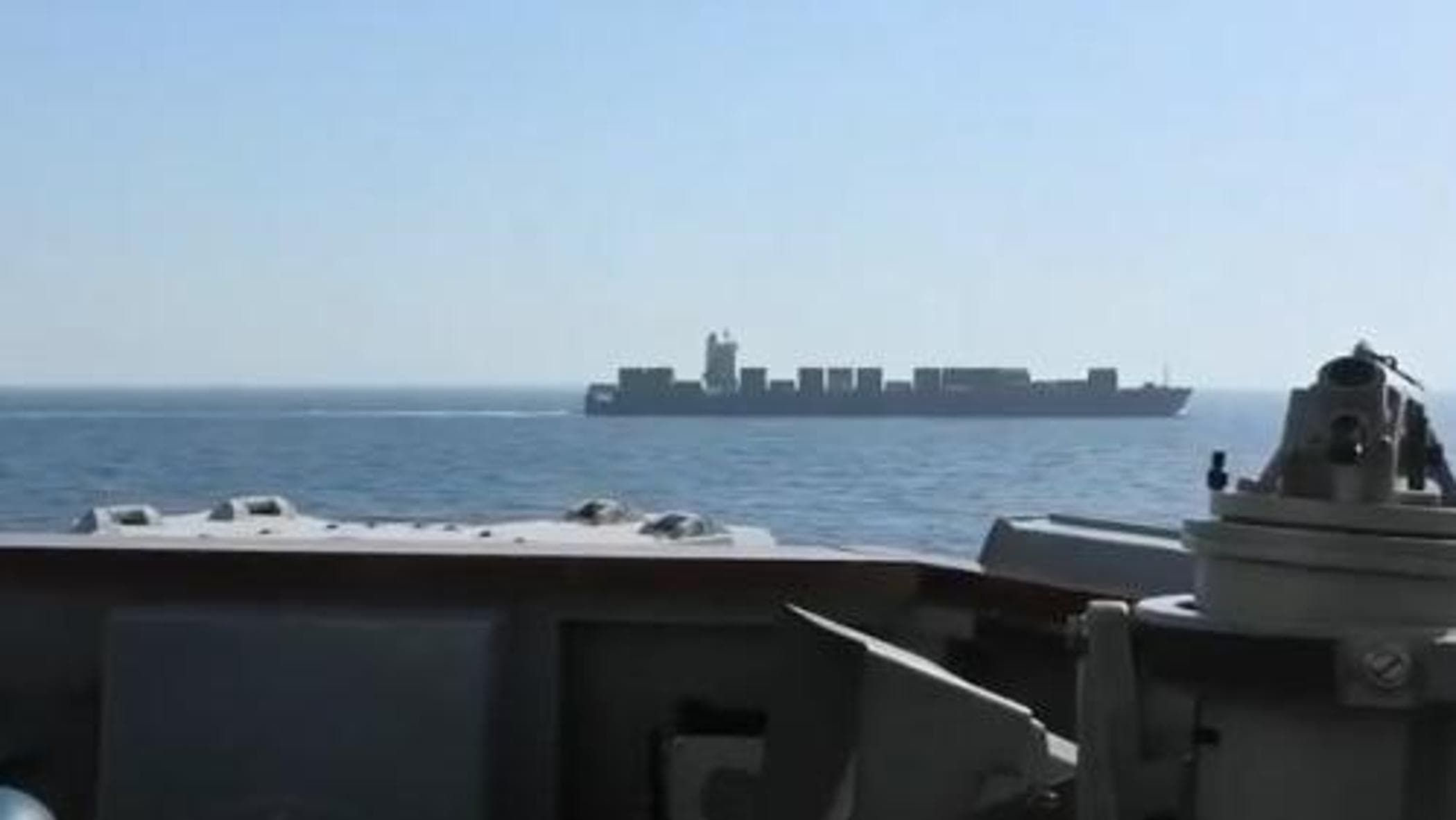
Iranian authorities have condemned the seizure of one of their commercial vessels by U.S. Forces in the Strait of Hormuz, calling the action a provocation that could derail ongoing diplomatic efforts.
According to reports, the ship was intercepted on April 5, 2025, while transiting through the strategic waterway, which connects the Persian Gulf to the Gulf of Oman. U.S. Officials stated the vessel was seized due to alleged violations of international maritime law, though specific details of the alleged infractions have not been publicly disclosed.
In response, Iran’s Foreign Ministry issued a strong statement warning of “serious consequences” and reiterated its commitment to defending national interests in regional waters. The incident has heightened tensions between the two nations, particularly as indirect negotiations over Iran’s nuclear program remain stalled in regional capitals.
Meanwhile, global oil markets reacted swiftly to the development, with Brent crude prices rising over 3% in early trading as traders assessed the risk of further disruptions to shipping lanes in the Hormuz Strait—a critical chokepoint through which approximately 20% of the world’s oil supply passes.
Analysts note that any escalation in the Strait could have far-reaching implications for energy security and international trade, especially given the fragile state of diplomacy between Washington, and Tehran. The U.S. Has maintained a naval presence in the region for years, citing freedom of navigation and regional stability as key objectives.
Iran, for its part, has consistently accused the United States of economic warfare through sanctions and military posturing, while Washington insists its actions are defensive and aimed at preventing malign activities by Iranian-backed groups.
The incident underscores the volatile nature of U.S.-Iran relations and the persistent risk of miscalculation in one of the world’s most sensitive maritime corridors.
