
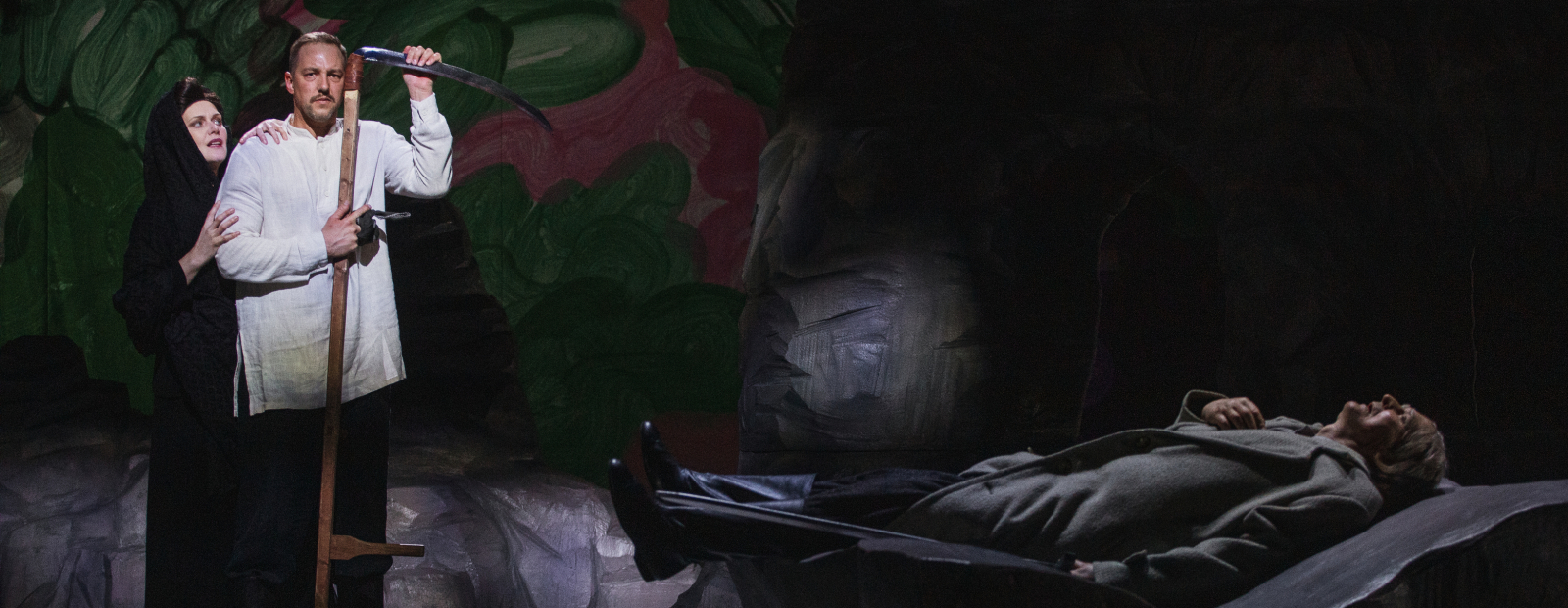
Latvian theater is diving deep into its own cinematic history with a bold new production that reimagines the country’s most iconic film characters—and the gender roles they’ve long embodied. *Tu Būsi Mana!* (*You Will Be Mine!*), a mythic two-part drama premiering at Valmiera Theatre, traces the evolution of Latvian masculinity and femininity through the lens of classic cinema, from silent films to modern blockbusters.
The show’s title itself is a nod to the past: it’s the first line spoken by the Black Knight in *Lāčplēsis* (1930), Latvia’s oldest feature film, as he declares his claim over the heroine Laimdota. That moment, director Jānis Znotiņš argues, set the tone for decades of Latvian storytelling—where women were often cast as ideals to be won, and men as the heroes destined to conquer or protect them.
Now, nearly a century later, *Tu Būsi Mana!* is flipping the script. The production weaves together characters from beloved Latvian films—*Purva Bridējs* (*Swamp Walker*), *Pie Bagātās Kundzes* (*At the Rich Lady’s*), *Pūt, Vējiņi* (*Blow, Winds*), and others—into a single, fluid narrative. Actors will embody these familiar figures, but with a twist: the show explores how their relationships and fates might have unfolded differently, challenging the rigid archetypes that once defined them.
“These weren’t just characters—they were objects of worship,” the production’s dramaturg, Ance Muižniece, said in a statement. “Audiences looked up to these screen gods and dreamed of their own lives mirroring that same grandeur, that same romance, that same triumph of decent over evil. But what if the stories we told ourselves about love, power, and sacrifice were never as simple as they seemed?”
The creative team behind *Tu Būsi Mana!* drew inspiration from *Es varu tikai mīlēt…* (*I Can Only Love…*), a groundbreaking feminist study by film scholar Inga Pērkone. The book examines Latvian cinematic archetypes of womanhood, from the virtuous maiden to the tragic martyr, and questions what these portrayals reveal about societal expectations. Pērkone’s work asks a provocative question: *What would our understanding of Latvian culture look like if movies were our only source of truth?*
For Znotiņš, the answer lies in the stage’s ability to rewrite history. “Theater lets us hold up a mirror to these myths,” he said. “We’re not just revisiting old stories—we’re asking what they *mean* today. How have these roles shaped us? And how might they change?”
The production, which runs nearly three hours in two acts, is a visual and emotional journey. Scenographer Adriāns Toms Kulpe’s set design blends the aesthetic of early 20th-century cinema with modern minimalism, while costume designer Ilze Vītoliņa’s wardrobe pays homage to iconic film looks—only to subvert them. Choreographer Linda Mīļa’s movement sequences and composer Rihards Zeļežņevs’ score further blur the line between past and present, creating a dreamlike atmosphere where characters from different eras collide.
*Tu Būsi Mana!* isn’t just a love letter to Latvian cinema—it’s a critique, a celebration, and a call to reexamine the stories that have shaped national identity. With its premiere on March 20, 2026, the show arrives at a moment when global conversations about gender, representation, and media’s role in shaping cultural norms are more urgent than ever. For Latvian audiences, it’s a chance to see their cinematic heroes in a new light—and perhaps, to imagine new endings for them.
Tickets for the production, which continues its run through the 2025-2026 season, are priced between €23 and €32 and available through Valmiera Theatre’s website.
