
New research challenges long-held beliefs about the benefits of strict veganism for longevity, especially among the very elderly. A 20-year study from Fudan University in China, tracking over 5,200 individuals aged 80 and older, found that those following a strict vegan diet had a nearly 29% lower chance of reaching age 100. The findings, published this week, suggest that adequate protein intake and essential nutrients-frequently enough challenging to obtain on a fully plant-based diet-are crucial for healthy aging and may outweigh the benefits of eliminating animal products altogether.
The long-held belief that a vegetarian diet is key to longevity may not hold true for the very elderly, according to a new 20-year study. Researchers have found that strict veganism may actually decrease the chances of living to 100, challenging conventional wisdom in many cultures where plant-based eating is often equated with a long and healthy life. This research highlights the complex nutritional needs of aging bodies and raises questions about the potential drawbacks of overly restrictive diets in later life.
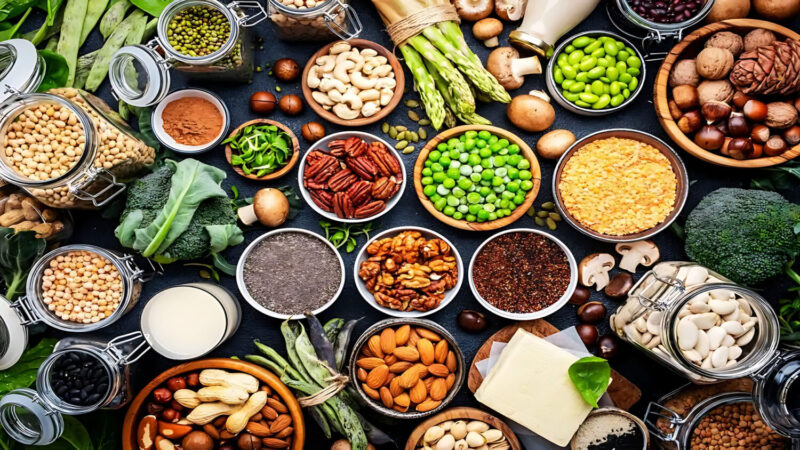
Study Links Strict Vegan Diets to Lower Centenarian Rates
The landmark study, led by a team at Fudan University in China, tracked 5,203 Chinese individuals aged 80 and older for two decades. Researchers aimed to determine the long-term relationship between dietary habits – particularly different types of vegetarianism – and overall mortality risk, as well as the likelihood of reaching age 100. This is one of the few long-term studies focusing on dietary patterns in this ultra-age demographic within Asia.
The study revealed a striking contrast: Individuals following a strict vegan diet had a nearly 29% lower chance of reaching 100 years of age, a statistically significant difference. Overall vegetarians – including those who consume eggs and dairy or follow a flexible vegetarian approach – showed a 19% reduction in centenarian rates, indicating a clear trend. Those who ate a lacto-ovo vegetarian or pescatarian diet experienced a slight decrease in centenarian rates, but the difference was not statistically significant.
These findings suggest that completely eliminating animal products may be detrimental to longevity in the oldest age groups. The research underscores the importance of adequate nutrition as we age, and challenges the idea that restrictive diets are universally beneficial.
Researchers delved deeper to understand why a seemingly healthy diet could be detrimental to the very old. They found the key issue isn’t necessarily the avoidance of meat, but rather the nutritional density and reserves of older adults.
Older adults commonly experience decreased metabolism, reduced appetite, and impaired digestion and absorption. A low-calorie, nutrient-poor vegan diet can easily lead to malnutrition, particularly in those with a low body mass index (BMI) or pre-existing nutritional deficiencies. This negative impact is especially pronounced in individuals who are already underweight.
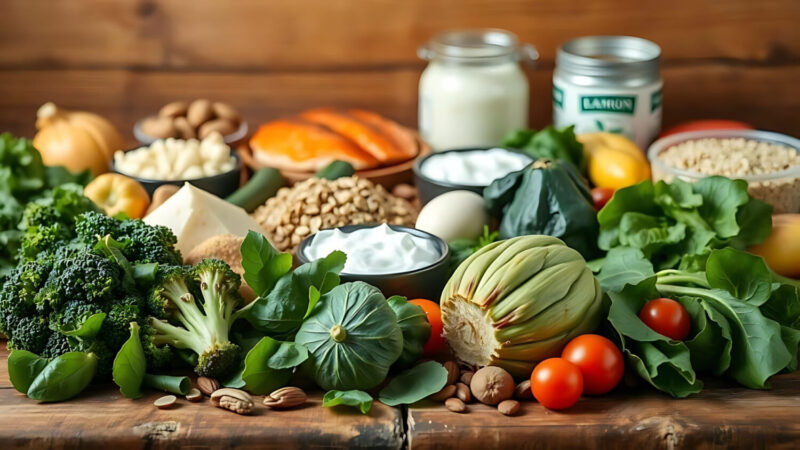
Three Nutritional Realities of Aging:
1. Protein Needs: Older Adults Require More Protein
Aging is associated with “anabolic resistance,” a significant decline in the body’s ability to build muscle. Insufficient protein intake accelerates sarcopenia, the age-related loss of muscle mass. Sarcopenia is a major contributor to disability in older adults, leading to weakness, falls, fractures, and ultimately, increased mortality. Animal protein sources – such as fish, eggs, and dairy – provide a complete and efficiently utilized source of amino acids.
2. Vitamin B12: A Significant Deficiency in Vegan Diets
Vitamin B12 is almost exclusively found in animal products. A deficiency can cause megaloblastic anemia, neurological decline, and irreversible cognitive impairment. For older adults already experiencing cognitive decline, B12 deficiency poses a significant risk of accelerating dementia and disability.
3. Caloric Density: Getting “Enough” is More Important Than Eating “Well”
Vegan diets often consist of foods that are high in volume, fiber, and low in calories. Older adults typically have smaller appetites, and consuming enough calories and protein from a vegan diet can require large portion sizes that may be difficult to manage. Low weight (BMI under 18.5 or rapid weight loss) is a key indicator of increased mortality risk in older adults.
Examining the dietary habits of populations in global “blue zones” – regions known for high concentrations of centenarians – reveals a common thread: longevity isn’t about strict food restrictions, but rather a balanced diet high in plant-based foods, flexibility, and nutrient density.
Hong Kong: A traditional mixed diet emphasizing vegetables, soups, and fish, chicken, and small amounts of red meat. Focuses on balanced, easily digestible protein.
Japan (Okinawa): A pescatarian and flexible mixed diet based on sweet potatoes, vegetables, and legumes, but regularly includes fish and seafood for Omega-3 fatty acids and high-quality protein.
Taiwan (Centenarians): A balanced and unrestricted diet. While vegetarianism is prevalent in Taiwan, the dietary characteristics of centenarians generally lean towards a traditional, diverse mixed diet to ensure a variety of nutrient intake.
The conclusion is clear: a longevity diet isn’t about deprivation, but a “flexible balance” based on plant diversity, combined with adequate animal protein and essential nutrients.
Expert Commentary: A Real Crisis for Taiwan’s Aging Society
This study carries a serious warning for Taiwan, which is rapidly becoming a super-aged society. The challenge isn’t just individual dietary choices, but also societal misconceptions about the health of older adults and systemic inadequacies.
The biggest health risk facing Taiwan in the future isn’t “overnutrition,” but “muscle loss and disability.”
Long-Term Care Focuses on “Care” Not “Nutrition”
The core services of Taiwan’s Long-Term Care 2.0 program (in-home care, meal delivery, companionship) are important, but lack systematic nutritional intervention and muscle strength prevention.
Lack of Mandatory Standards: There are no nationwide protein intake standards or mandatory nutritional assessments for older adults.
Sarcopenia is Overlooked: Preventing sarcopenia isn’t a clearly defined policy goal.
As a result, many older adults receive daily care but slowly decline into disability and bedridden states due to chronic malnutrition.
Healthcare System Excels at Emergency Care, Not “Supporting Aging”
Taiwan’s acute medical care system is world-class, but chronic aging management and disability prevention are relatively weak. Hospitals excel at treating heart attacks, but are less equipped to systematically track:
Nutritional biomarkers (such as albumin, serum B12)
Muscle mass and grip strength (sarcopenia assessment)
Weight trends (alerting to rapid weight loss)
Many older adults don’t die from a single disease, but from complications arising from nutritional depletion and disability.
Cultural beliefs often equate “light” diets with “safety.” In Taiwan, advice given to older adults frequently centers around “less oil, less salt, lighter meals, and less meat.” However, for those over 80, these ideas can translate into a significantly increased risk of mortality.
The dietary principles older bodies truly need are:
High density: Small volume, high nutrient content.
High protein: Adequate high-quality protein to maintain muscle.
High absorption: Soft, easily digestible foods like fish, steamed eggs, and dairy.
A bowl of plain congee with blanched vegetables may be suitable for a bedridden patient, but for an older adult seeking healthy aging and independence, it represents a dangerous nutritional deficit.
Longevity Relies on Nutritional Engineering, Not Spiritual Practice
This 20-year study is a stark warning to aging societies across Asia. It reminds us that longevity isn’t achieved through willpower or dietary dogma alone, but through a precisely calculated, systematically supported “life engineering” process.
The true strategy for longevity is ensuring our bodies have enough energy and building blocks to resist aging and repair damage. This requires us to:
1. Shift Individual Perspectives: Recognize that older adults need “enough” and “high-quality” protein, not simply a pursuit of lightness.
2. Transform Policy Goals: Shift the core goals of long-term care and healthcare systems from “caring for the disabled” to “preventing malnutrition and sarcopenia.”
If we fail to correct misconceptions about nutrition in old age and strengthen social support systems, Taiwan’s aging society won’t be a celebration of longevity, but a “sick society” burdened by prolonged illness.
Longevity has never been about self-denial, but about continuous and powerful balanced nutrition.
