
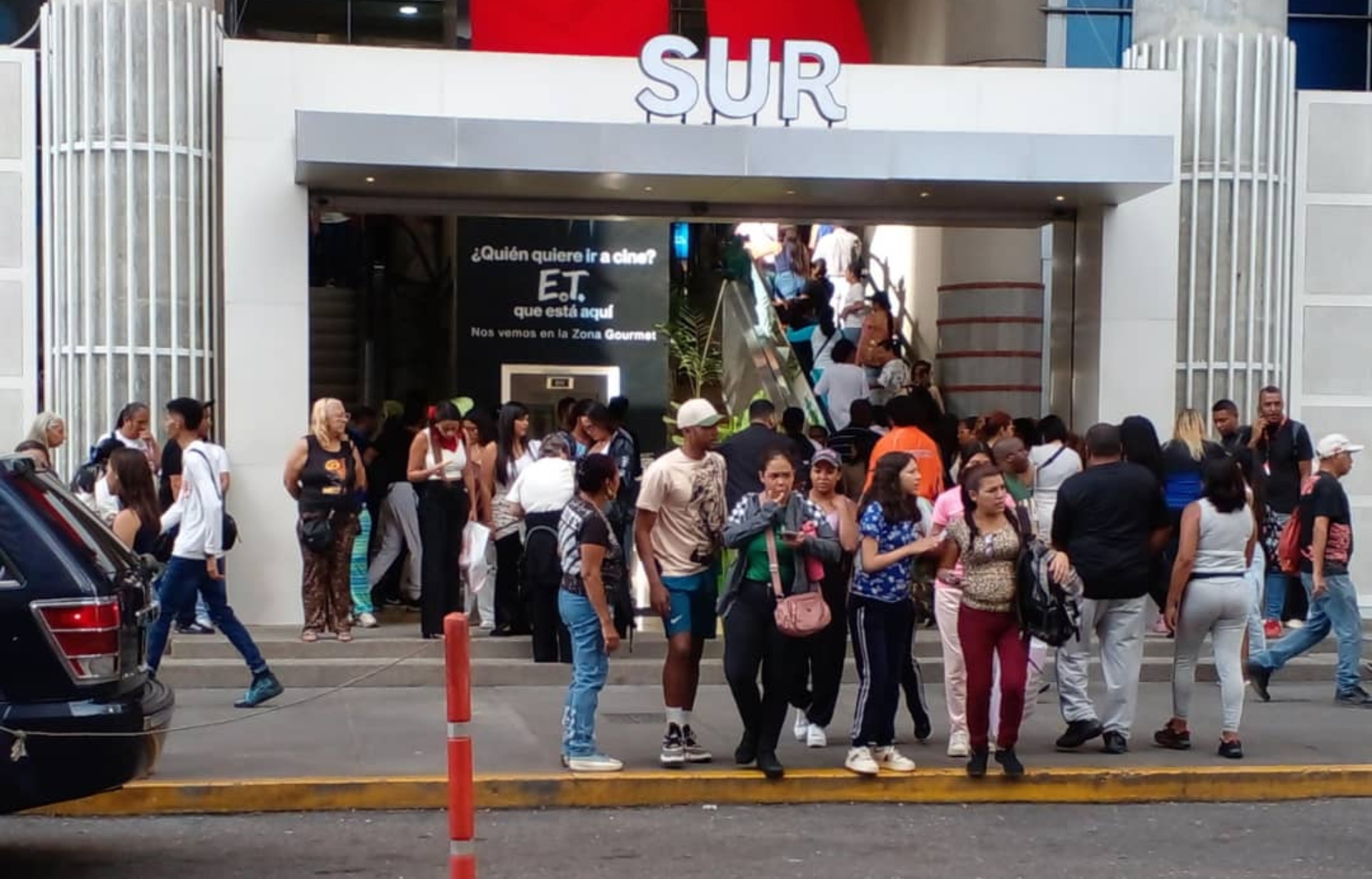
Amid rising international concern over political stability, Venezuela is experiencing a complex moment-one where reports of security incidents are met with a surprising continuation of daily life for many citizens. Recent disruptions in interaction and alleged security events in Caracas have fueled anxieties, particularly among the Venezuelan diaspora, even as residents continue routines like attending baseball games and shopping at bustling malls. This report examines the current situation, balancing heightened political rhetoric with the resilience of everyday life in the South American nation.
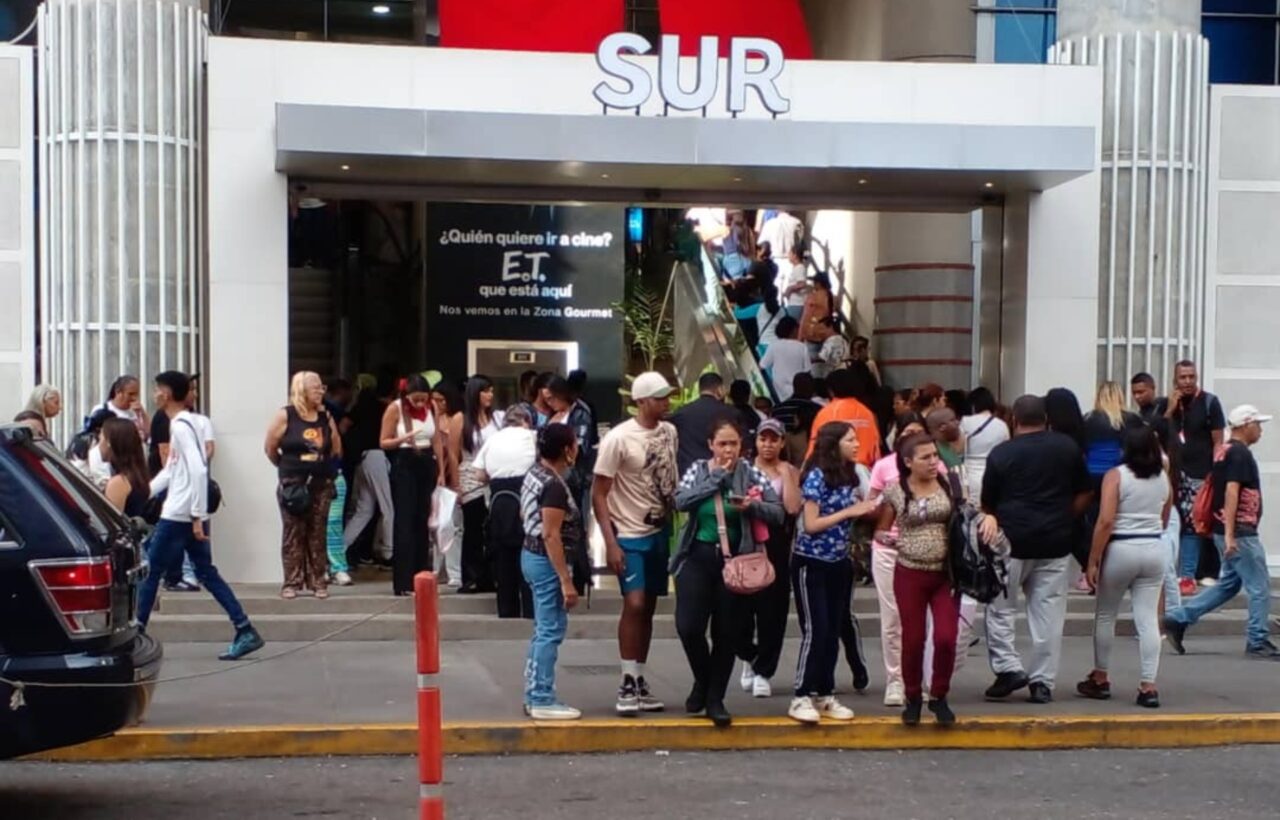
Amid heightened international attention and a growing U.S. military presence in the region, life in Venezuela continues with a semblance of normalcy, even as reports of unusual incidents and political tensions increase. Concerns about potential instability have been circulating among Venezuelans abroad, who have struggled to reach family members during brief disruptions in service.
On Saturday, November 9, users in a WhatsApp group for Venezuelans living outside the country began expressing worry as they found it difficult to contact relatives. Reports surfaced of an explosion near the presidential palace on Avenida Fuerzas Armadas, and power outages and cellular service interruptions in parts of Caracas. Services were quickly restored, but the episode underscored the fragility of infrastructure in the country.
A similar situation unfolded Sunday, November 10, in the La Carlota neighborhood of Caracas, where customers and employees at a supermarket were reportedly “locked down” by agents of the Dirección General de Contrainteligencia Militar (DGCIM), Venezuela’s military counterintelligence agency. Initial reports suggested a possible explosive device near La Casona, a former presidential residence now used as a cultural center.
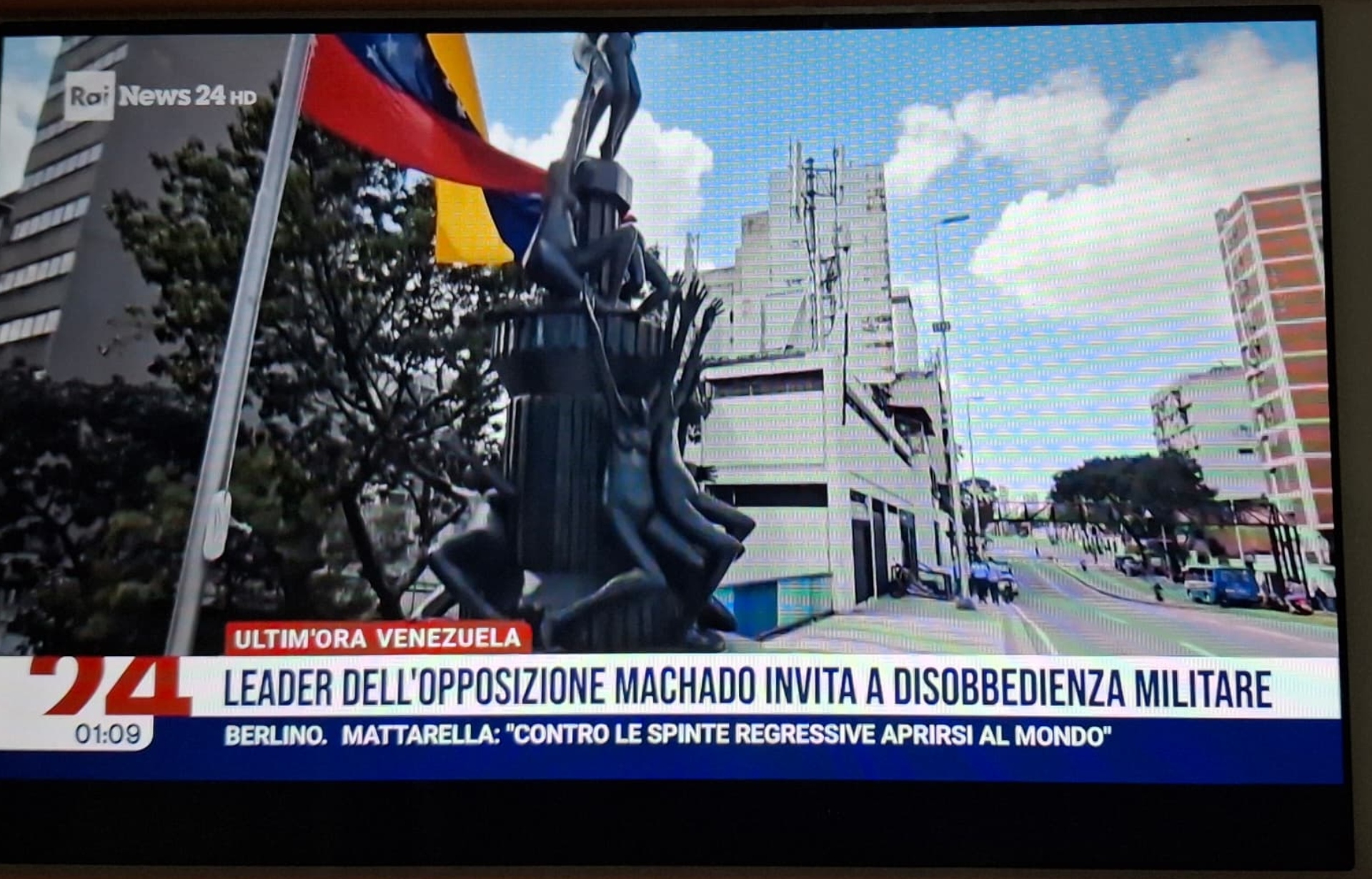
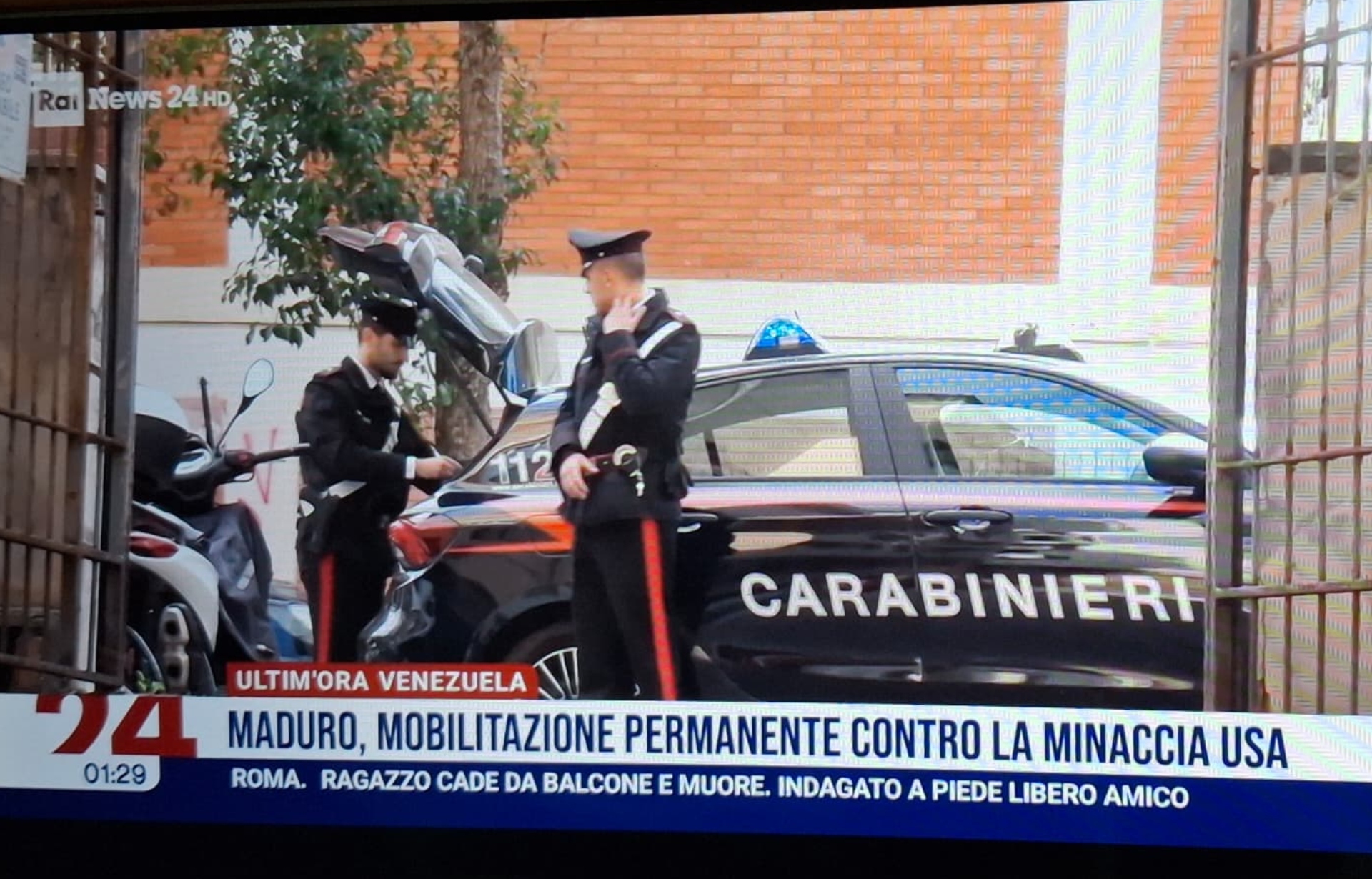
These incidents, which began in mid-August, have been accompanied by a surge in international news coverage of Venezuela. The Italian broadcaster RAI highlighted recent comments from opposition leader María Corina Machado urging the military to disregard the Nicolás Maduro regime, which former President Donald Trump has labeled a “narco-state” that should be “exterminated.” RAI also reported on Maduro’s calls for national mobilization in defense against what he claims are attempts to steal the July 2024 presidential election.
Heightened Rhetoric and Daily Life
The escalating rhetoric from both sides has continued, with Trump and Machado frequently issuing statements on the situation and Maduro responding with public appearances denouncing “Yankee imperialism” and advocating for “peace.” November 24 is seen as a potentially significant date, as the U.S. State Department announced it will designate the Cartel de los Soles as a “foreign terrorist organization,” potentially paving the way for stricter actions against Venezuela.
Despite the increased scrutiny and political tension, daily life in Caracas appears largely unaffected. The Venezuelan Professional Baseball League (LVBP) is drawing large crowds, with 33,270 tickets sold for a November 11 game between the Magallanes and Caracas teams, the country’s most popular clubs. This highlights the resilience of Venezuelan culture and the desire for normalcy amid uncertainty.
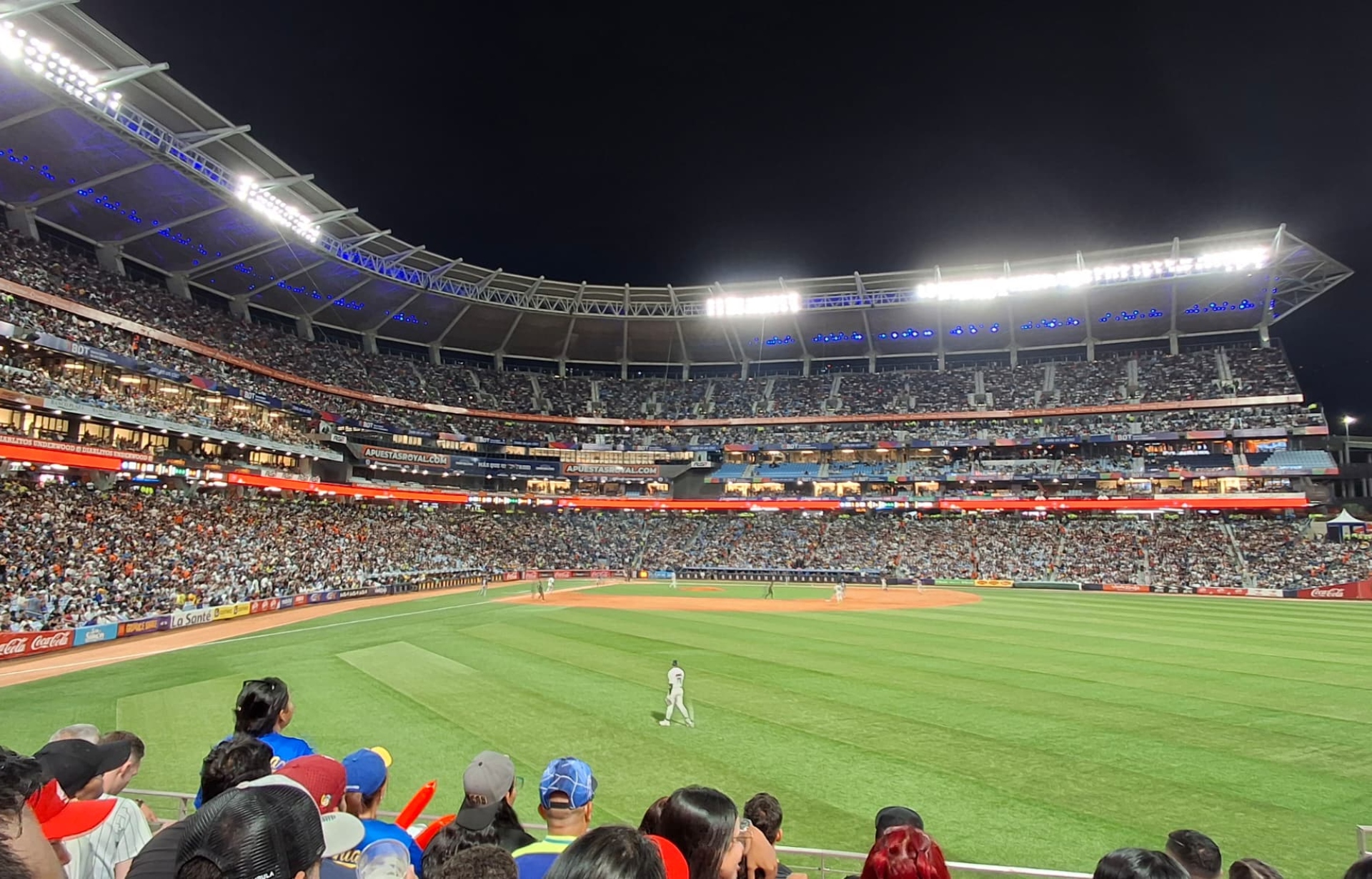
Large crowds are also attending cultural events, concerts, shopping at malls, and religious services. A premiere of the Venezuelan film Un viaje de película on October 29 drew audiences to three theaters at the Sambil de la Candelaria mall, and a reggaeton concert at the Estadio Monumental on November 10 attracted 50,000 fans.
The Sambil de la Candelaria, a mall once criticized by Hugo Chávez as a symbol of consumerism, now sees an estimated 30,000 visitors daily, making it the second-busiest mall in the city after Sambil de Chacao.
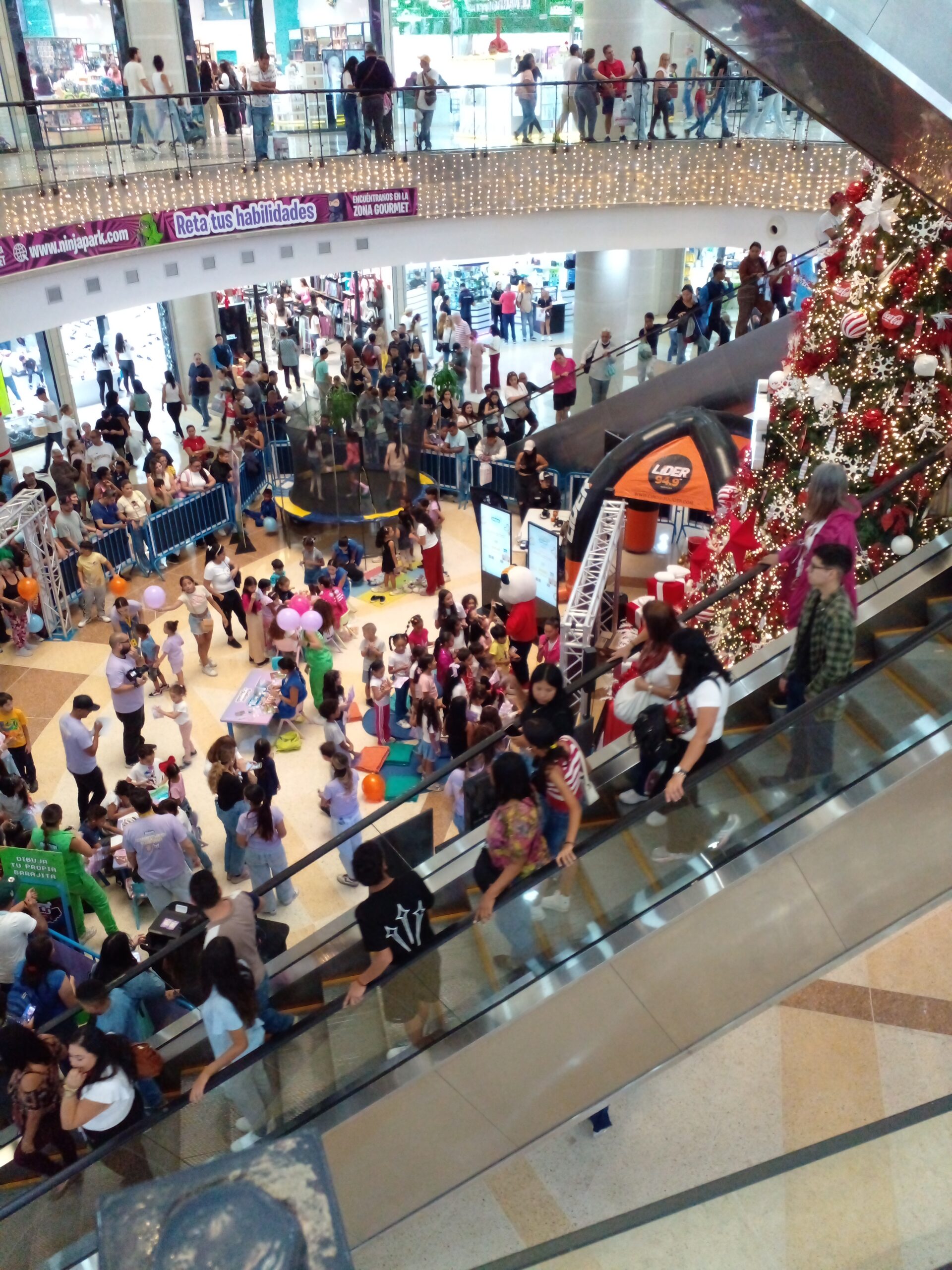
People are also flocking to the shrine of Dr. José Gregorio Hernández, now the country’s first saint, and to markets to purchase ingredients for hallacas, a traditional Christmas dish, despite ongoing inflation. Few openly discuss the U.S. naval presence in the Caribbean or the possibility of military action, but opinions vary when people speak candidly.
“Just Stay Home”
A jewelry workshop student who travels from outside the city to San Bernardino for classes said she is “tired” of Venezuela’s leaders and isn’t afraid to play a flamenco-style song dedicated to Machado by Mexican artist Prodigio del Corrido at full volume in her home. “I’m tired of these people, I don’t care if they hear it… if something is going to happen, let it happen already.”
A parking attendant at an east Caracas supermarket, who commutes from a distant location via the Metro, said that nine out of ten regular customers with whom he has become friendly want a change in government, though he added that others simply don’t care. “If something happens, you just have to stay home until it’s over and that’s it.”
An electrical engineer residing in El Valle expressed skepticism about a full-scale U.S. military intervention. “For me, if they are going to do something, it must be with a kind of reduced special force that will proceed with a covert action… Nothing like the invasions that occurred in Panama when dictator Manuel Noriega was in power. Hopefully, they won’t be dropping bombs… we live right across from Fuerte Tiuna” (the city’s main military installation).
The Routine Must Continue
These opinions suggest a segment of the population is hoping for change, but the extent of that sentiment remains unclear. Félix Seijas, director of the Delphos Institute, offered his perspective, clarifying that he wasn’t sharing data from a specific study, but rather a general assessment.
“This has had several phases. When all this noise started, people had high expectations that something would happen, because something that had been dormant was also being reactivated. At first there was a lot of expectation, and people even wondered if they could travel to visit their mother in Maracay,” Seijas explained. He added that this initial phase quickly shifted as time passed.
The statistician added that Venezuelans maintain a sense that something could occur, but it no longer alters their daily routines. “There is a percentage that wants it to happen and another that doesn’t. A percentage that doubts whether it should happen or not, depending on the way it happens; the majority don’t want anything violent,” he said. For the analyst, people see that something is there and could happen, but it doesn’t change their daily lives. They must continue their routine to survive, and that explains what is happening in the streets.
