
Venezuela’s Oil Sector Faces Setbacks as ‘Ghost Ships’ Return Following Failed Exports
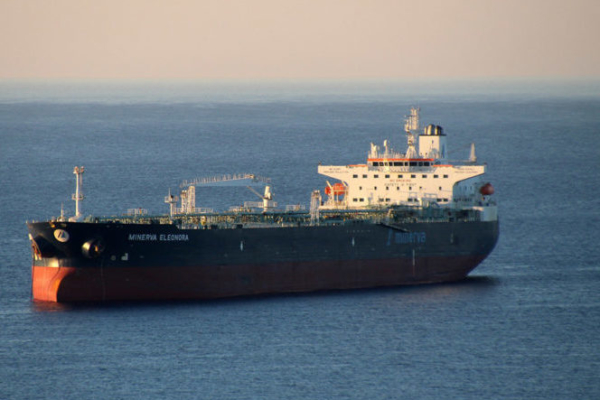
Venezuela is grappling with significant operational hurdles in its effort to revitalize its petroleum industry, as a number of “ghost ships” have returned to the country carrying oil that failed to reach its intended destinations. According to reports from Bloomberg, these vessels, which are typically employed to bypass international sanctions, were forced to return cargo after export attempts proved unsuccessful.
The return of these tankers underscores the precarious nature of Venezuela’s current export strategy. While the country has seen a recent surge in export activity, the failure of these specific shipments highlights the systemic risks and logistical bottlenecks that continue to plague the state-run energy sector. This volatility suggests that an increase in volume does not necessarily equate to stable market access.
The situation is further complicated by an increasing regulatory presence in the region. Reports indicate that throughout 2026, there has been a notable rise in the number of sanctioned oil tankers operating off the Venezuelan coast. The growth of this “shadow fleet” reflects the government’s reliance on non-traditional shipping methods to maintain revenue streams, though the recent return of failed shipments suggests these methods are increasingly unreliable.
Industry analysts note that these developments serve as a critical indicator of the broader challenges facing the reactivation of the Venezuelan oil industry. The reliance on vessels that operate outside standard maritime transparency—often termed “ghost ships”—leaves the country vulnerable to sudden reversals in trade, as evidenced by the recent return of unsold crude.
The paradox of experiencing an export boom while simultaneously seeing shipments fail highlights the fragility of the current economic recovery efforts. For a sector that is central to the nation’s financial stability, the inability to guarantee the delivery of exported oil represents a significant barrier to long-term industrial stability.
