
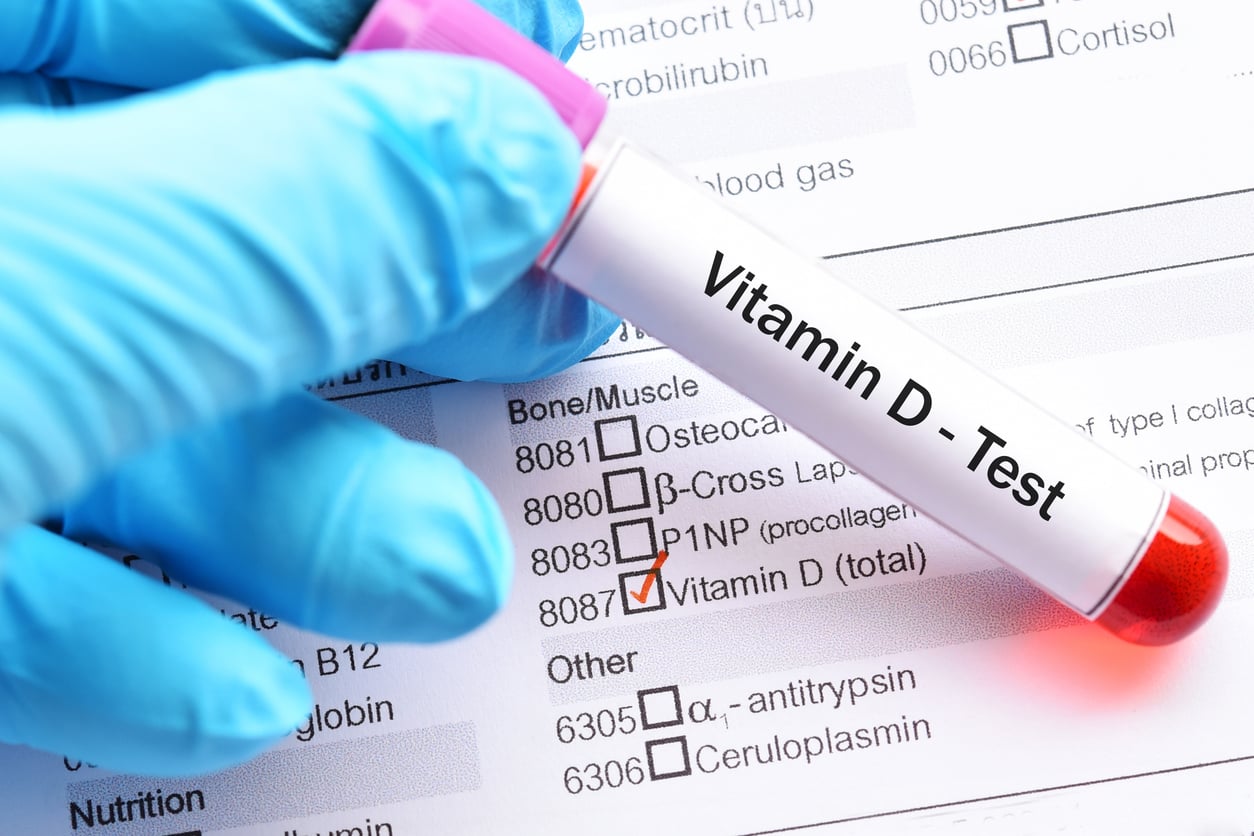
The Vitamin D Dilemma: Balancing Sun Exposure and Supplementation for Global Health
Vitamin D deficiency has turn into a widespread public health challenge, affecting a staggering portion of the global population. According to a 2023 study by medical technology firm Vitall, approximately one billion people worldwide have insufficient levels of this critical nutrient. The crisis is particularly evident in the United Kingdom, where the study found that 20% of the population is deficient and 60% have insufficient levels. In the United States, the trend is similarly concerning; a 2022 study published in Frontiers in Nutrition revealed that 41% of Americans do not consume enough vitamin D.
The prevalence of these deficiencies underscores a significant shift in modern lifestyle and health habits. Dr. Nancy Rodriguez, a professor of nutritional sciences at the University of Connecticut, notes that in the 1960s and 1970s, the habit of intensive sunbathing—often involving baby oil—helped keep vitamin D deficiencies low. However, while those practices increased the risk of skin cancer, the opposite is now true. Today, many people spend their working hours at desks and apply sunscreen when outdoors. While sunscreen is vital for reducing skin cancer risks, it also limits the body’s ability to synthesize vitamin D from the sun.
This nutrient is far more than a simple supplement; it is essential for over 200 vital functions within the human body. These include maintaining bone strength, supporting brain health, and facilitating the production of dopamine, which is critical for overall well-being. Vitamin D plays a pivotal role in the immune system’s efficiency.
Dr. Claudia Arcovio, a clinical nutritionist and dietitian, explains that vitamin D is fundamental for bone health because it promotes the absorption of calcium and other essential minerals. Without adequate levels, individuals face a higher risk of developing disorders such as osteoporosis. Beyond bone density, vitamin D strengthens natural defenses against infections and diseases, regulates inflammatory responses, and helps prevent autoimmune conditions. Recent research has even linked adequate vitamin D levels to a lower incidence of respiratory infections and better management of chronic inflammation.
While supplements are a common solution, experts warn that the balance is delicate. Dr. Rodriguez emphasizes that while maintaining sufficient levels is crucial, consuming too many supplements can be dangerous, making the choice of the right dosage a complex process.
For those looking to naturally boost their levels, the sun remains the primary source. However, prolonged exposure is not necessary. Research from the University of Manchester suggests that just 10 to 15 minutes of daily sun exposure between April and September can provide sufficient vitamin D for the entire year while minimizing the risks of sunburn and skin cancer.
Given the unpredictability of temperate climates, where sunlight may be scarce for months at a time, a combination of diet, safe sun exposure, and targeted supplementation may be necessary to maintain optimal health. These findings highlight the ongoing challenge of balancing dermatological safety with the nutritional requirements essential for immune and skeletal health.
