
New Flu Strain, Divergent From Vaccine, Fuels Early Outbreaks Globally
A newly emerged strain of the H3N2 influenza virus, significantly mutated from the version included in this year’s flu shots, is driving unusually early and severe outbreaks in several countries, raising concerns about the upcoming winter season.
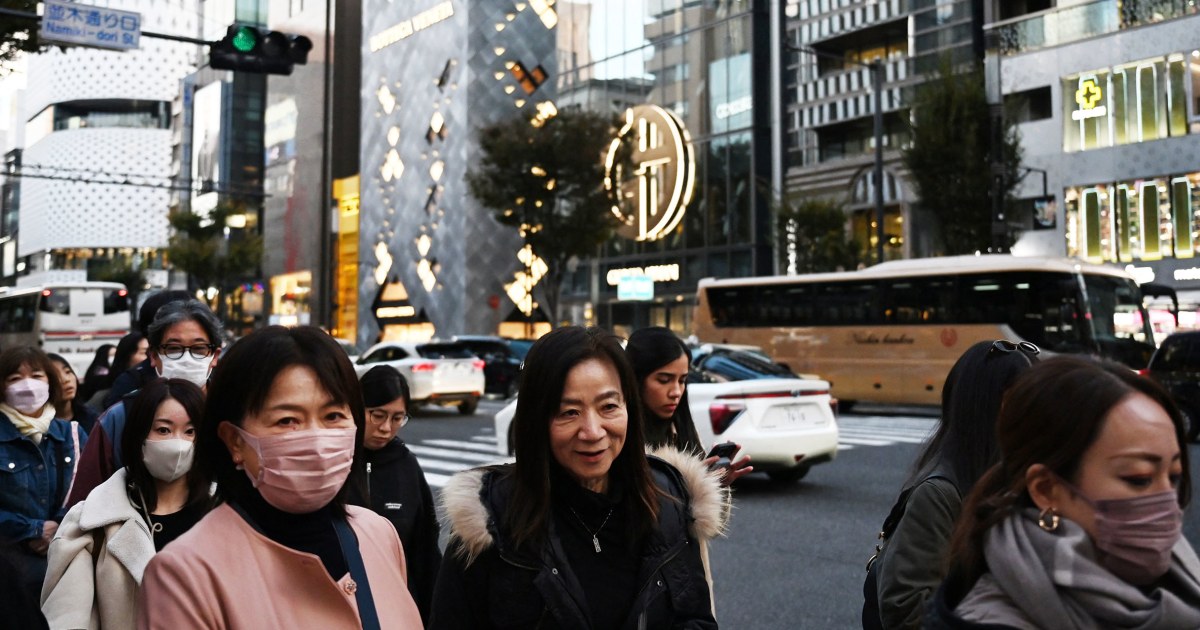
The strain, first detected in June, is rapidly spreading in Canada and the United Kingdom, with cases already tripling compared to this time last year in the U.K. “Since it emerged, it’s rapidly spreading and predominating in some countries so far in the Northern Hemisphere,” stated Dr. Wenqing Zhang, head of the World Health Organization’s Global Respiratory Threats Unit, during a media briefing today. Antonia Ho, a consultant in infectious diseases at Scotland’s University of Glasgow, explained that the virus “acquired 7 new mutations over the summer,” making it considerably different from the H3N2 strain used in vaccine development. Japan is also experiencing an “unprecedented” early surge, with over 2,300 schools and daycares partially closed as of November 4, according to reports from Nippon TV.
The situation is complicated by limitations in U.S. flu surveillance due to the ongoing government shutdown. The Centers for Disease Control and Prevention hasn’t released a detailed national report since September 26, and experts worry that recent public health job cuts will further delay data analysis. “We are going to be dependent on state laboratories and academic laboratories for these investigations and report them out,” said Dr. William Schaffner, an infectious diseases expert at Vanderbilt University Medical Center. Understanding the prevalence of this new strain in the U.S. is crucial, as influenza can disproportionately impact vulnerable populations like the elderly and those with compromised immune systems; learn more about high-risk groups for flu complications on the CDC website.
Despite the mismatch, health officials are still urging vaccination. Preliminary data from the U.K. suggests this year’s vaccine is up to 40% effective in preventing hospitalization among adults, and last year’s vaccine demonstrated up to 55% effectiveness. “All of the data over previous decades shows that even if there is not a close match, use of the vaccine continues to prevent hospitalizations, intensive care unit admissions and continues to help keep people out of the cemetery,” Schaffner emphasized. For more information on flu prevention, visit the World Health Organization’s influenza page.
Health authorities will continue to monitor the spread of the new strain and assess the vaccine’s effectiveness as more data becomes available.
