
Are you concerned about the future of police brutality and social justice? This article explores the evolving landscape of these critical issues, offering insights into emerging trends, the impact of technology, and predictions for the future. Discover how social movements, accountability measures, and shifting public perception are shaping the fight against police brutality and the pursuit of a more just society.
Table of Contents
The intersection of law enforcement, social justice, and public perception is a dynamic field, constantly reshaped by events, technology, and societal shifts. Understanding the potential future trends in this area is crucial for policymakers, activists, and citizens alike. This article delves into the key themes, offering insights and predictions for the years to come.
The Impact of Technology on Policing
Technology is rapidly transforming law enforcement. Body-worn cameras, predictive policing algorithms, and social media monitoring are becoming increasingly prevalent. While these tools offer potential benefits,such as increased transparency and crime reduction,they also raise significant concerns about privacy,bias,and the potential for misuse.
Real-Life Example: The widespread adoption of body-worn cameras has led to both positive and negative outcomes. While some studies suggest a decrease in use of force incidents, others highlight the challenges of data storage, access, and the potential for selective release of footage.
Pro Tip: Stay informed about your local police department’s policies on technology use. understand how data is collected, stored, and accessed to protect your rights.
The Rise of Accountability and Transparency
Public demand for police accountability is growing. This trend is fueled by increased awareness of police brutality, racial profiling, and the disproportionate impact of law enforcement on marginalized communities. Transparency initiatives, such as open data portals and civilian oversight boards, are becoming more common.
Case Study: Cities like New York and Chicago have implemented comprehensive police reform measures,including enhanced training,revised use-of-force policies,and autonomous investigations of misconduct. These efforts, while ongoing, demonstrate a commitment to greater accountability.
Did you know? The state monopoly on violence, as some describe it [[1]], is a core concept in understanding the power dynamics at play.
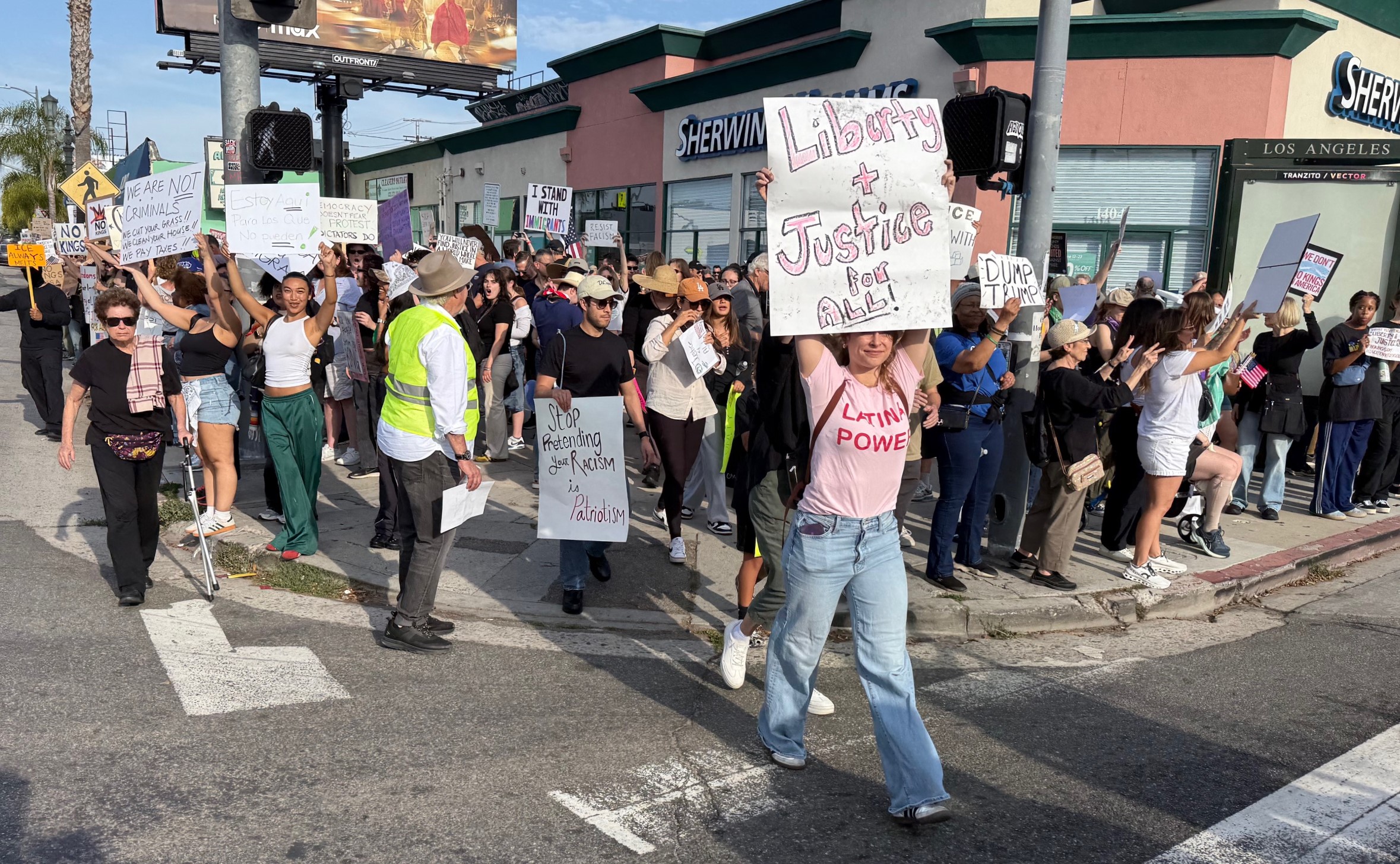
Social movements, such as Black Lives Matter, have played a pivotal role in raising awareness about police brutality and advocating for systemic change. these movements leverage social media, protests, and political organizing to challenge the status quo and demand justice. The influence of these movements is likely to continue shaping the future of policing.
Data Point: Studies show a correlation between increased activism and policy changes related to police reform. The sustained pressure from social movements has forced policymakers to address issues of racial bias and excessive force.
The Intersection of Race, Class, and Policing
The disproportionate impact of policing on communities of color and low-income neighborhoods remains a critical issue. Addressing systemic racism and economic inequality is essential for achieving meaningful police reform.This includes examining the role of implicit bias, the over-policing of certain areas, and the criminalization of poverty.
reader Question: How can communities effectively advocate for police reform that addresses both racial bias and economic disparities?
The Power of storytelling and Media
Media, including literature and music, plays a crucial role in shaping public perception and raising awareness about police brutality. Novels, documentaries, and hip-hop music have long exposed injustices [[3]]. These narratives can humanize victims, challenge stereotypes, and inspire social change.
Example: Angie Thomas’s novel, “The Hate U give,” offers a powerful portrayal of police violence and its impact on a young Black woman [[2]].Such works can spark significant conversations and drive social change.
Looking Ahead: Key predictions
- Increased Focus on De-escalation Training: expect to see more emphasis on training officers in de-escalation techniques and alternatives to force.
- Expansion of Civilian Oversight: Civilian oversight boards will likely gain more authority and independence.
- data-Driven Policing Reforms: Policymakers will increasingly rely on data to identify and address patterns of misconduct.
- continued Activism and Advocacy: Social movements will remain a driving force for change, pushing for further reforms.
The future of policing is complex and uncertain, but one thing is clear: the demand for justice, accountability, and systemic change will continue to shape the landscape. By staying informed, engaging in dialog, and supporting efforts for reform, we can contribute to a more just and equitable society.
What are your thoughts on the future of policing? Share your comments and insights below!
