
The suspect accused of opening fire near the White House Correspondents’ Dinner in Washington, D.C., appeared in federal court on Monday, facing charges that include attempted assassination of the president and terrorism-related offenses. The hearing, held on April 27, 2026, marked the first public appearance of the alleged gunman since the chaotic incident late Saturday night.
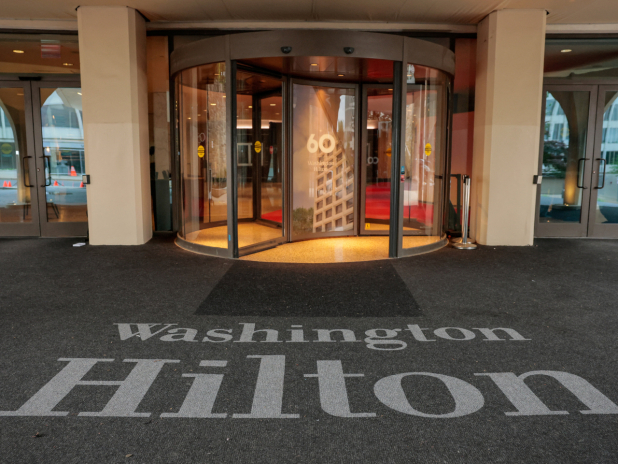
Federal prosecutors outlined a case built on what they described as a deliberate and politically motivated attack. According to court documents, the suspect, whose identity has not been officially released, allegedly fired multiple shots in the vicinity of the Washington Hilton, where the high-profile dinner was taking place. While no one was struck by gunfire, the incident sent hundreds of attendees scrambling for cover, raising urgent questions about security lapses at one of the capital’s most closely watched events.
The charges—ranging from attempted assassination to weapons violations—reflect the gravity of the allegations. Prosecutors emphasized that the suspect’s actions were not merely impulsive but appeared to be driven by extremist political beliefs, a claim that has intensified concerns about rising political violence in the United States. The case has drawn parallels to other recent incidents, underscoring how polarized rhetoric can escalate into real-world threats.
Security failures at the event have come under sharp scrutiny. Witnesses and attendees described a surprisingly lax screening process, with some reporting that guests were allowed to enter the venue simply by presenting a dinner ticket—no metal detectors, bag checks, or other standard precautions were in place. One guest told reporters, “It felt like a private party, not an event with the president and hundreds of journalists in attendance.” The revelation has prompted calls for a review of protocols at similar gatherings, where high-profile figures are routinely present.
The White House Correspondents’ Dinner, an annual tradition that brings together politicians, journalists, and celebrities, has long been a symbol of the intersection between media and power. This year’s event, however, will be remembered less for its speeches and more for the moment the evening descended into chaos. As the investigation continues, authorities are piecing together the suspect’s movements, motives, and whether others may have been involved.
The case arrives at a time when political violence in the U.S. Has become an increasingly visible and contentious issue. While no group has claimed responsibility for the attack, the incident has reignited debates about the role of extremist rhetoric in fueling such acts. Analysts warn that the normalization of violent language in political discourse could have dangerous consequences, a concern that extends far beyond American borders.
For now, the suspect remains in custody without bail, awaiting further legal proceedings. The Justice Department has indicated that additional charges may be filed as the investigation unfolds. Meanwhile, the White House and event organizers have yet to comment on the security breakdowns, though sources suggest an internal review is already underway.
The incident serves as a stark reminder of the vulnerabilities that persist even in the most secure environments. As the world watches how this case develops, it also raises broader questions about the safety of public figures and the measures needed to prevent future attacks in an era of heightened political tension.
