
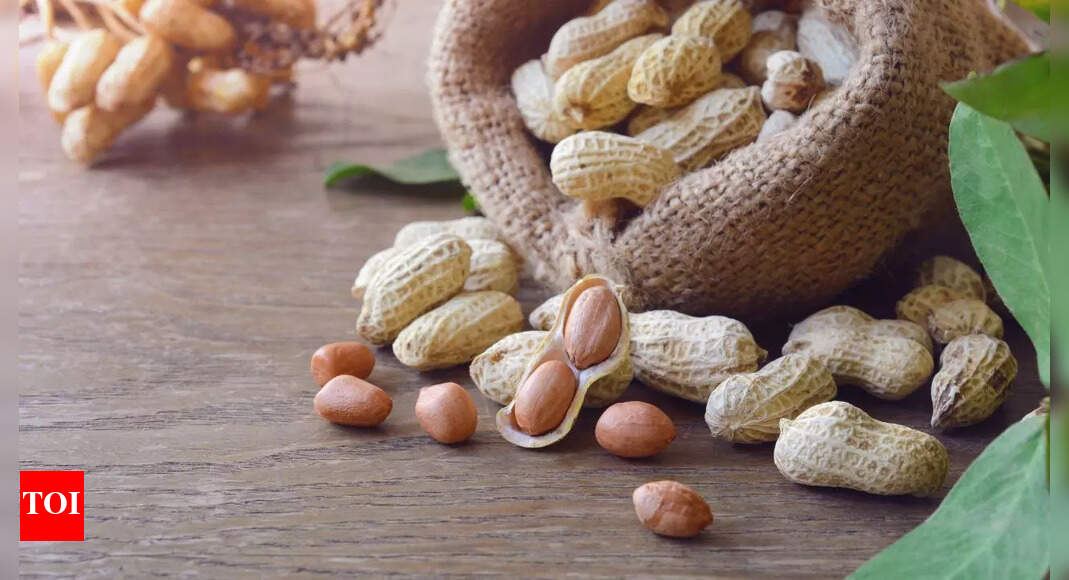
Peanut Skins Found to Boost Heart, Gut, and Immune Health, Study Shows
Recent research indicates that the often-discarded skins of peanuts are a surprisingly rich source of nutrients that can significantly benefit cardiovascular, digestive, and immune system health.
A 2021 study published in Food Chemistry revealed that peanut skins contain high levels of polyphenols, flavonoids, and dietary fiber. These compounds work to lower cholesterol, improve gut bacteria balance, and reduce inflammation throughout the body. Researchers found that the antioxidant activity of these skins helps combat free radicals, potentially slowing aging and preventing chronic diseases. This discovery challenges conventional food preparation practices and suggests a simple way to increase nutritional intake.
Specifically, the polyphenols in peanut skins, particularly proanthocyanidins, protect the heart by reducing oxidative damage to blood vessels, lowering LDL cholesterol, and raising HDL cholesterol. The fiber content also contributes to blood pressure stabilization and prevents fat accumulation in the liver. For gut health, the fiber acts as a prebiotic, nourishing beneficial bacteria, while polyphenols are metabolized into short-chain fatty acids that strengthen the intestinal lining. Maintaining a healthy gut microbiome is increasingly linked to overall well-being. For more information on gut health, resources are available from the National Institute of Diabetes and Digestive and Kidney Diseases.
Furthermore, antioxidants like catechins, resveratrol, and phenolic acids found in peanut skins bolster the immune system by reducing oxidative stress and enhancing the body’s response to infections. Peanuts with skins also exhibit a lower glycemic response compared to peeled peanuts, making them a potentially beneficial snack for those managing blood sugar levels – you can find more information about managing blood sugar through diet on the American Diabetes Association website.
Health officials recommend choosing roasted or raw peanuts with skins intact, or opting for natural peanut butter that specifies “skins included” on the label, to maximize these nutritional benefits. Further research is planned to explore the full potential of peanut skin extracts in preventative healthcare.
