
Messages in Bottles From WWI Soldiers Found on Australian Beach
More than a century after they were written, messages in bottles penned by two Australian soldiers aboard a transport ship during World War One have been discovered on a remote beach in Western Australia.
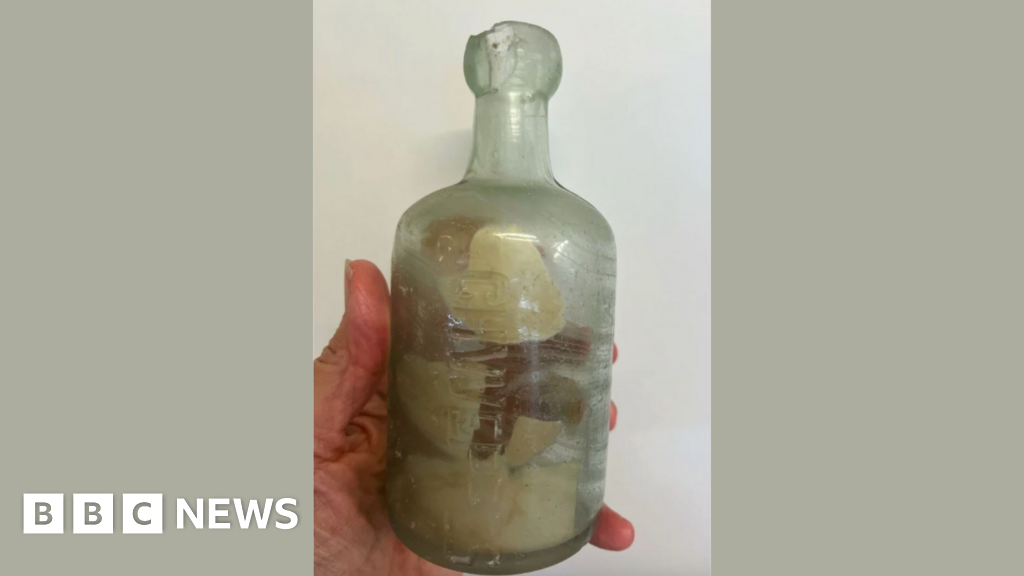
The bottles were found earlier this month by Deb Brown and her family while cleaning up litter on Wharton Beach, near Esperance. Both letters, though waterlogged, remained legible. One was written by Pte Malcolm Neville to his mother, describing the ship’s food as “real good” and stating they were “as happy as Larry,” just days before departing for the battlefields of France. Tragically, Pte Neville was killed in action in 1916 at the age of 28. The second letter was from Pte William Harley, who survived the war.
Ms. Brown successfully tracked down descendants of both soldiers. Herbie Neville, Pte Neville’s great-nephew, described the discovery as “unbelievable,” particularly for his 101-year-old aunt, Marian Davies, who remembers her uncle leaving for war. Pte Harley’s granddaughter, Ann Turner, said her family was “absolutely stunned,” adding, “It really does feel like a miracle and we do very much feel like our grandfather has reached out for us from the grave.” Pte Harley’s letter, addressed to whoever found the bottle as his mother had already passed, indicated the bottles were thrown overboard “somewhere in the Bight,” referring to the Great Australian Bight. Discoveries like these offer a poignant connection to the personal stories behind historical events, reminding us of the human cost of war. You can learn more about the history of World War One on the Australian War Memorial website.
Oceanography experts suggest the bottle may have been in the water for only a few weeks before washing ashore, potentially remaining buried in the sand for the past 100 years. The letters have been handed over to the soldiers’ families, and officials are considering options for preserving and potentially displaying the artifacts.
