

Congress Leadership Deadlock: Rahul Gandhi Intervenes in High-Stakes Kerala Meeting
A high-level meeting at the residence of Mallikarjun Kharge on May 9, 2026, concluded without a final resolution, leaving the political future of the Congress leadership in Kerala in a state of uncertainty. Despite a marathon three-hour session involving Rahul Gandhi and the Chief Minister, the party has delayed the Chief Minister’s official announcement.
The gathering, which brought together key party leaders at Kharge’s residence, was aimed at resolving internal friction. However, reports indicate that the participants remained deadlocked, with three primary figures refusing to concede their positions. The stalemate underscores a deep-seated divide within the party regarding how to measure leadership viability.
At the heart of the dispute is a conflict between “numbers” and “public sentiment.” While some leaders are pushing for a decision based on the numerical strength of MLA support, others argue that popular public appeal should carry more weight. This tension has placed V.D. Satheesan under significant scrutiny, as the party’s high command reportedly focuses heavily on numerical backing.
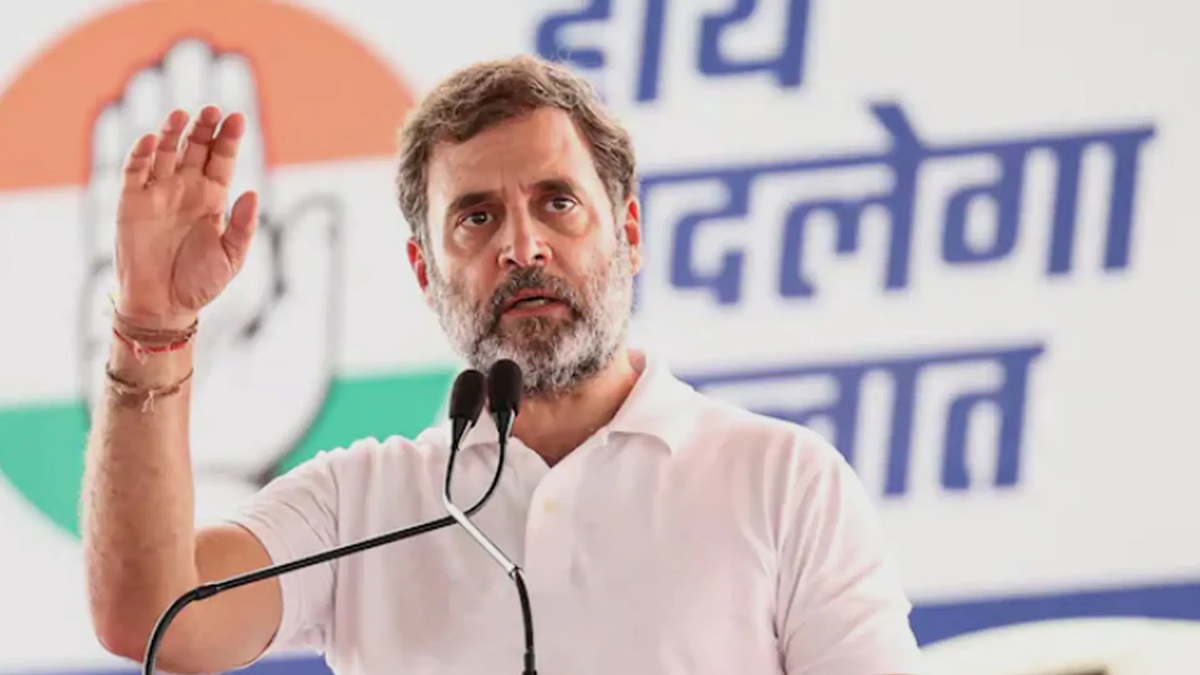
Internal dynamics suggest that Rahul Gandhi is actively stepping in to “check” Satheesan’s influence. Observers note that Satheesan’s lack of a dedicated personal faction within the party may have contributed to his current vulnerability during these negotiations.
The inability to reach a compromise after hours of discussion highlights the difficulty the Congress high command faces in balancing factional loyalty with the need for a leader who resonates with the general electorate. The delay in the Chief Minister’s announcement suggests that the party is still searching for a middle ground or a compromise that can satisfy the competing interests of the state’s legislative wing and the party’s national leadership.
This ongoing struggle reflects a critical juncture for the party in Kerala, as it attempts to stabilize its internal hierarchy while managing public expectations.
