
mRNA Breakthroughs: New Hope in the 30-Year Quest for a Hantavirus Vaccine
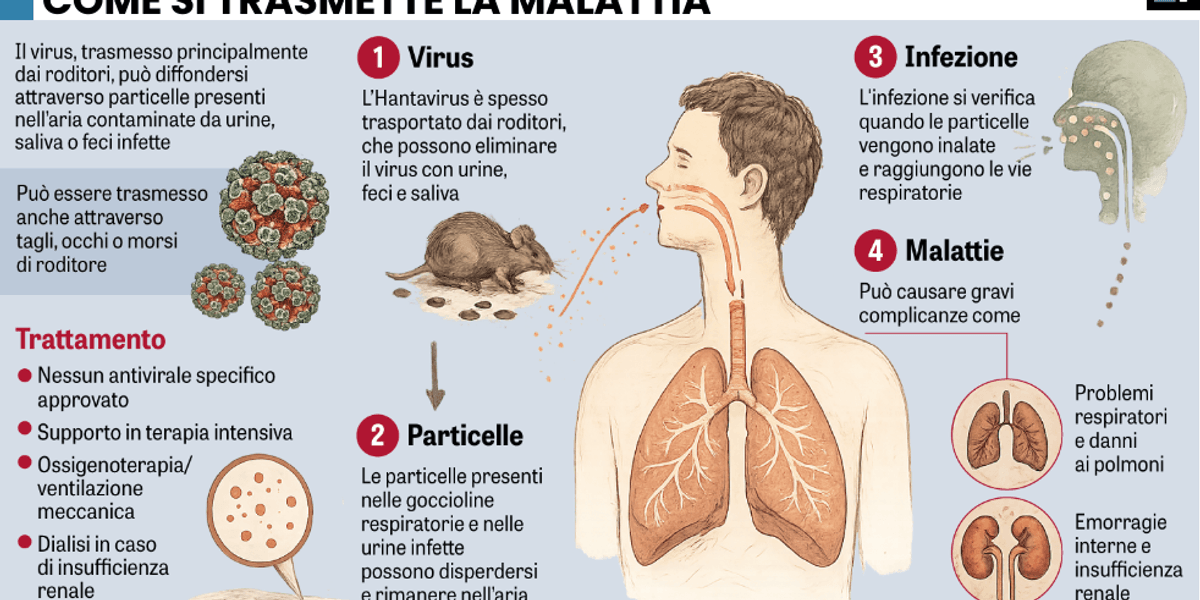
Medical researchers are making significant strides in the effort to combat hantavirus, a rare but severe respiratory disease transmitted by rodents. Recent developments in vaccine research, highlighted in a study published by Nature, reveal that a vaccine against the virus has been under rigorous study for three decades. This long-term research effort is now converging with modern biotechnology to provide a potential shield against the pathogen.

The pursuit of a viable vaccine is particularly urgent given the nature of hantavirus. Because the virus is spread through contact with infected rodents, public health discussions have resurfaced regarding the necessity of preventive measures, including the potential return of masks and strict hygiene protocols to curb transmission. The development of a vaccine would mark a shift from reactive containment to proactive prevention, significantly reducing the risk for high-risk populations.
The scientific momentum has also triggered a strong reaction in the financial sector. Shares of Moderna have seen a sharp increase, with investors showing aggressive interest in the company’s stock. This surge reflects growing market confidence in the application of mRNA technology to tackle challenging viral threats beyond the COVID-19 pandemic.
Market analysts have noted a distinct bullish trend for Moderna in New York, with heavy buying activity and a notable upward trajectory in share price. The financial spike is largely attributed to the potential for mRNA platforms to accelerate the delivery of vaccines for rare diseases like hantavirus, which have previously eluded rapid development.
As documented by exchange data, the stock’s rally underscores the intersection of biotechnology and public health, where scientific breakthroughs translate into significant economic movement.
The ongoing research into hantavirus underscores the persistent challenge of zoonotic diseases—viruses that jump from animals to humans. By leveraging decades of foundational research and new genetic sequencing tools, health officials hope to eliminate the need for restrictive non-pharmaceutical interventions, such as masks and social distancing, in favor of long-term immunization.
These advancements could guide future vaccination strategies for other rare rodent-borne illnesses, providing a blueprint for how long-term academic research and private-sector innovation can collaborate to solve enduring public health threats.
