
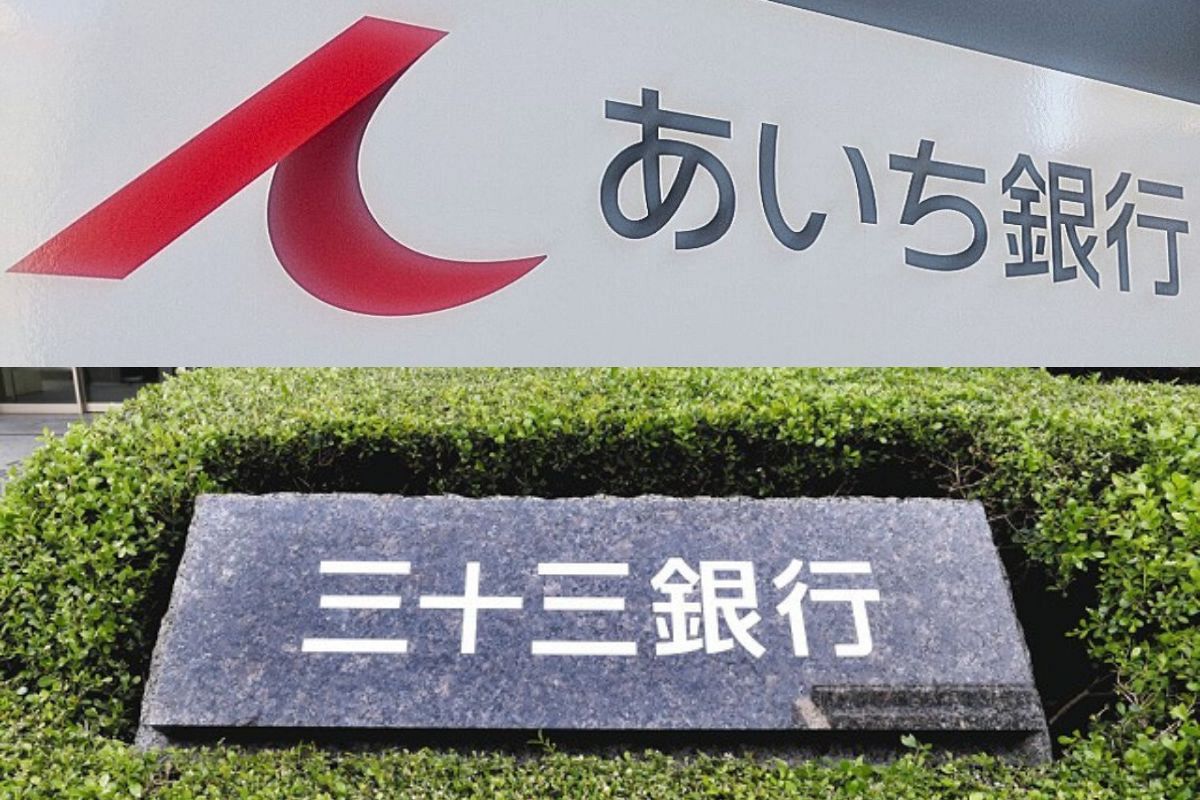
Aichi Financial Group (FG) and Thirty-Three Financial Group (FG) announced a basic agreement on May 13, 2026, to integrate their operations, creating a regional banking powerhouse with total assets exceeding 11 trillion yen. The move signals an acceleration of cross-prefectural consolidation within Japan’s regional banking sector, as institutions seek greater scale to navigate a shifting economic landscape.
The merger brings together the Aichi Prefecture-based Aichi FG and the Mie Prefecture-based Thirty-Three FG. This strategic alliance marks a significant shift in regional banking strategy; while previous consolidations were often “defensive” measures intended to secure market share within a single prefecture, this integration focuses on expansion across borders. Industry observers note that rising interest rates have increased the direct link between deposit volume, loan expansion, and overall profitability, making larger asset bases more advantageous.
The two organizations have already spent years building a cooperative framework. In April 2023, Thirty-Three Bank and the predecessor of Aichi FG, Aichi Bank, deepened their ties by eliminating weekday daytime fees for mutual cash card users at their respective ATMs. This existing synergy provided a foundation for the current agreement to merge.
The restructuring trend is becoming increasingly pronounced across the Tokai region and other urban hubs. According to market reports on the wave of urban bank integrations, other major moves are already planned, including the 2027 merger of Gunma Bank and Daishi Hokuetsu FG, as well as the integration of Shizuoka FG and Nagoya Bank, which is targeted for April 2028.
Both entities entered this agreement following their own internal consolidations. Aichi FG was established in 2022 through the merger of Aichi Bank and Chukyo Bank, while Thirty-Three FG was formed in 2018 via the integration of Mie Bank and Daisan Bank. The creation of this 11 trillion yen group reflects a broader industry drive toward efficiency and increased lending capacity.
The move has received positive attention from regulatory authorities. Director Yoshida of the Tokai Finance Bureau expressed expectations that the integration will contribute meaningfully to the development and growth of the regional economy, as the restructuring of regional banks in the Tokai region becomes more formalized.
This consolidation underscores the urgency for regional lenders to evolve their business models in response to macroeconomic pressures and the need for broader operational footprints to remain competitive.
Regional bank restructuring continues to intensify as the industry pivots toward larger, more resilient financial groups.
