
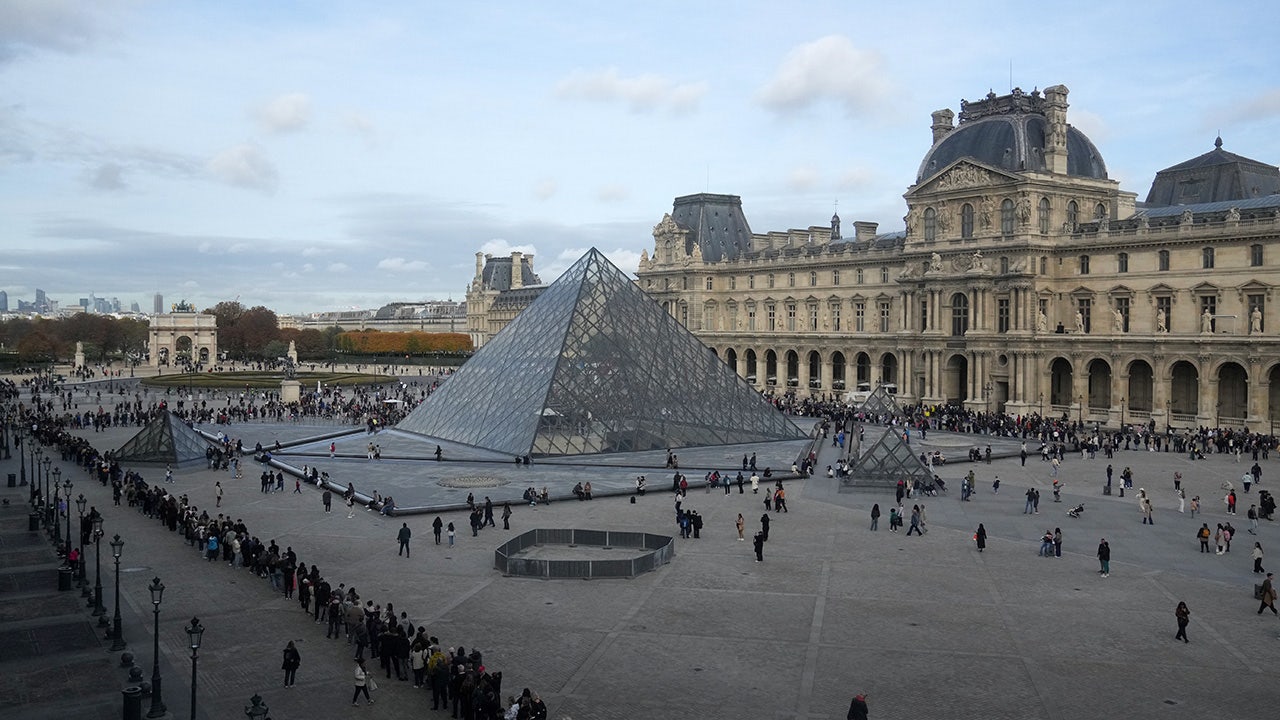
Louvre Museum Security Flaws Exposed After $100 Million Jewel Heist
A recent investigation revealed significant security vulnerabilities at the Louvre Museum in Paris, including the use of easily guessable passwords like “Louvre” and “Thales,” following a theft of over $100 million in jewels.
A decade-old cybersecurity audit reportedly uncovered the flaws, which also included outdated software – Windows Server 2003 – and unguarded rooftop access, mirroring the method used by thieves who employed an electric ladder to reach a balcony. The shockingly simple passwords were, in some instances, visible on the login screen, representing a critical lapse in security protocol. This incident underscores the growing threat of cyberattacks targeting cultural institutions worldwide.
Experts warn that such weak password practices are surprisingly common across businesses and individuals, particularly as the holiday shopping season increases opportunities for cybercriminals. Protecting personal data and financial information requires strong, unique passwords for every account, and considering a strong password strategy is essential. Password managers can generate and securely store complex passwords, reducing the risk of reuse and potential breaches.
The Louvre did not respond to requests for comment before publication. Authorities are continuing to investigate the heist and are reviewing security protocols to prevent future incidents, and the museum is expected to implement more robust cybersecurity measures. You can find more information about protecting your digital security at the Cybersecurity and Infrastructure Security Agency.
