
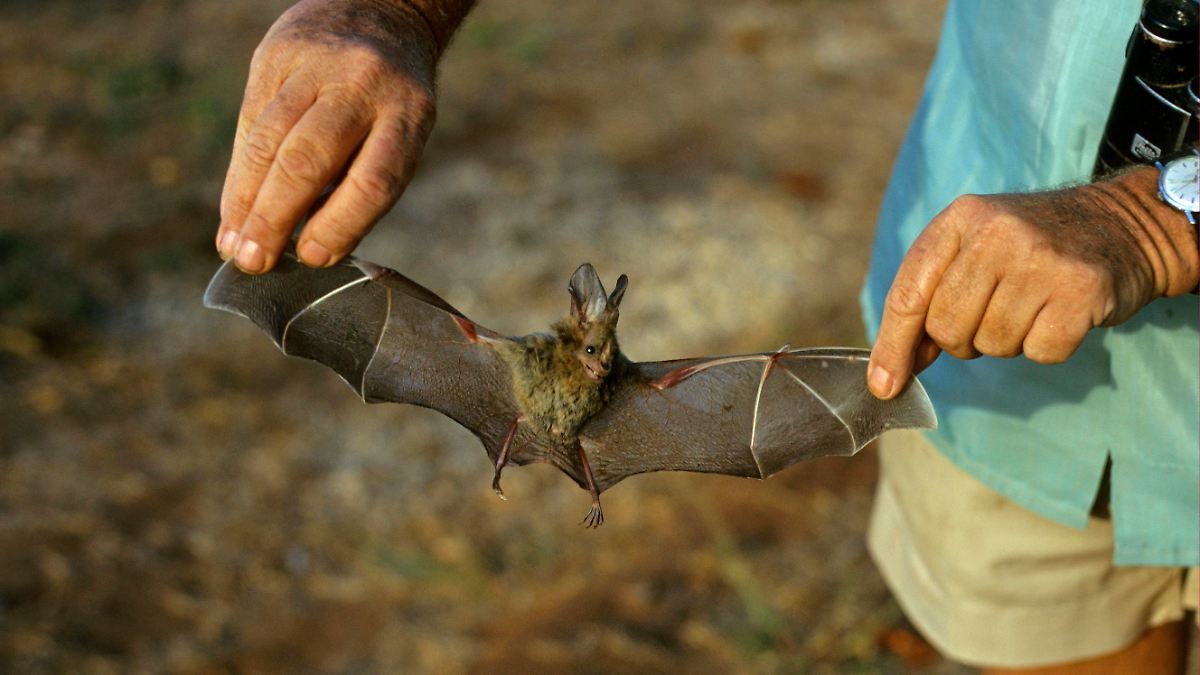
Researchers in East Africa have identified a bat coronavirus capable of infecting human cells, raising concerns about zoonotic spillover risks. The study, conducted by scientists in the region, found that the virus can bind to human ACE2 receptors, the same entry point used by SARS-CoV-2. Laboratory tests showed the virus successfully entered and replicated in human respiratory and intestinal cells.
The findings underscore the importance of ongoing surveillance of wildlife viruses in regions with high biodiversity and frequent human-animal interaction. Experts note that even as the virus has not yet caused illness in humans, its ability to infect human cells highlights the need for proactive monitoring to prevent future outbreaks.
Public health officials emphasize that understanding the spillover potential of animal coronaviruses is critical for early detection and pandemic preparedness. The study adds to growing evidence that bats harbor diverse coronaviruses with the capacity to cross species barriers, particularly in areas where habitat encroachment increases contact between wildlife and people.
