
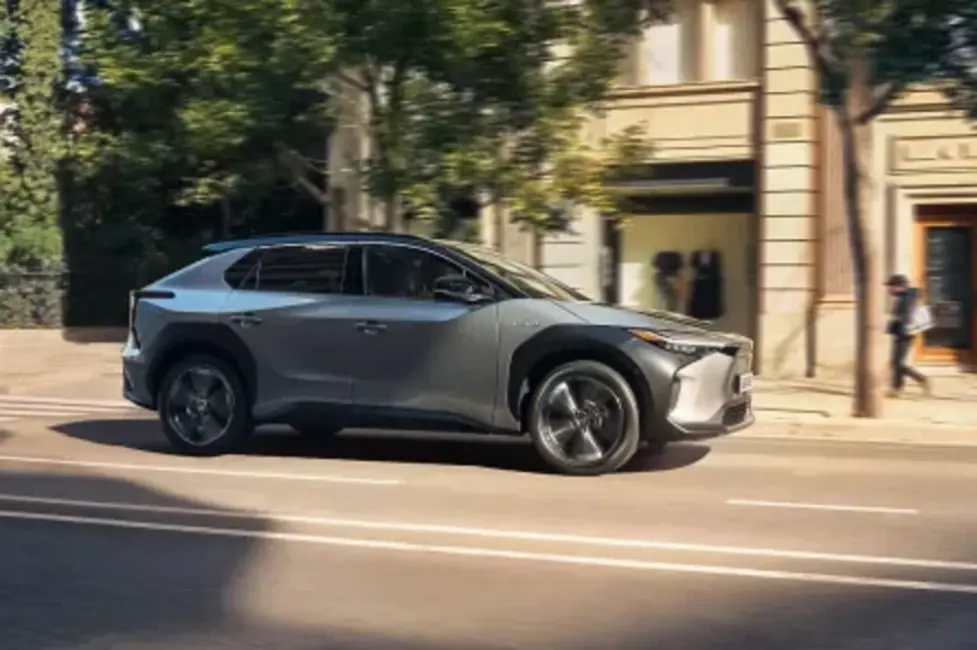
LatviaS automotive sector is accelerating toward electrification,with the nation now exceeding 10,000 registered electric vehicles. The surge in EV adoption – particularly in the used car market – signals a turning point for the Baltic nation as it aims to meet European sustainability goals and reduce reliance on fossil fuels. This growing trend is supported by government incentives and a national energy infrastructure increasingly powered by renewable sources, including a rise in residential solar panel installations.
Latvia’s EV Market Surpasses 10,000 Vehicles, Driven by Used Car Demand
Latvia’s automotive market is undergoing a significant transformation, with a rapidly growing interest in environmentally friendly vehicles. The country has now registered over 10,000 electric vehicles (EVs), signaling a shift from EVs being considered a luxury to becoming a mainstream choice for consumers. This growth reflects a broader European trend toward electrification as governments incentivize the adoption of cleaner transportation options.
Used EV Market Fuels Growth
Experts point to particularly strong growth in the used EV segment. While used EVs accounted for 50% of financed EV purchases last year, that figure has now risen to 70%. This indicates increasing confidence in the used EV market, as these vehicles become more accessible and affordable.
“This year, the used EV segment is particularly noteworthy – already 70% of financed EVs are used, compared to 50% last year and just one in five in 2023,” notes auto expert Sergejs Romaņuks. “In the new car market, EVs are beginning to seriously compete with diesel engines, and there’s a slight decline in demand for gasoline vehicles. Increasingly, used car owners are opting for more environmentally friendly solutions, marking a historic turning point in Latvia’s auto market.”
Plug-in Hybrids Gain Popularity Alongside Global Trends
Alongside fully electric vehicles, plug-in hybrid vehicles are also experiencing rapid growth, with financing increasing sixfold this year compared to the previous year. This trend mirrors global developments, where EV sales continue to rise worldwide as more countries implement stricter emission standards and support programs.
“In many places, EVs already exceed 20% of the total new car market, and more and more countries are introducing stricter emission requirements and expanding support programs,” Romaņuks adds. “The development of the Latvian market, as evidenced by surpassing the 10,000 EV milestone according to CSDD data, shows we are on the right track to meet global sustainability goals.”
Gasoline Still Dominates, But Electric Gains Ground
Despite the growing popularity of EVs, gasoline-powered vehicles remain the most purchased in the first months of this year, accounting for 61% of sales. However, electric powertrains – including EVs and plug-in hybrids – now hold a 30% market share, surpassing diesel engines at 8%. The used car segment shows a similar pattern, with gasoline engines followed by diesel and then electric powertrains.
Self-Sufficiency and Support Programs
Climate and Energy Minister Kaspars Melnis highlights the benefits of EV use for Latvian society, particularly emphasizing that these vehicles largely utilize electricity generated in Latvia, often from solar panels installed in households. Support programs are also being refined, such as increased support for large families, who represent a significant portion of EV buyers.
Chinese Brands Increase Market Share
Among new EVs, the LYNK & CO 02 model, a joint venture between Chinese and Swedish companies, has become the most popular, followed by other Chinese manufacturers like GWM ORA 03, as well as established brands such as Toyota BZ4X and Peugeot 5008. In the used EV segment, Tesla Model 3 and Tesla Model Y dominate, followed by Audi E-tron and Hyundai Kona.
Future Outlook: Hybrids and EVs on Consumers’ Minds
While surveys still show that most respondents plan to purchase gasoline or diesel vehicles, a significant number are considering hybrid vehicles (42%), and one in ten respondents are considering an EV. The main motivations for purchasing environmentally friendly vehicles are lower operating costs and purchase prices, as well as tax breaks. However, price, concerns about battery performance, and insufficient charging infrastructure remain key barriers to EV adoption.
“EVs are not a luxury item or a technological experiment. They are accessible to everyone, especially thanks to a wider and more affordable selection of used EVs,” emphasizes Jānis Bekers, head of the Latvian Electric Vehicle Association. He also points to the need for long-term government support mechanisms and clear information for the public to ensure continued development.
