
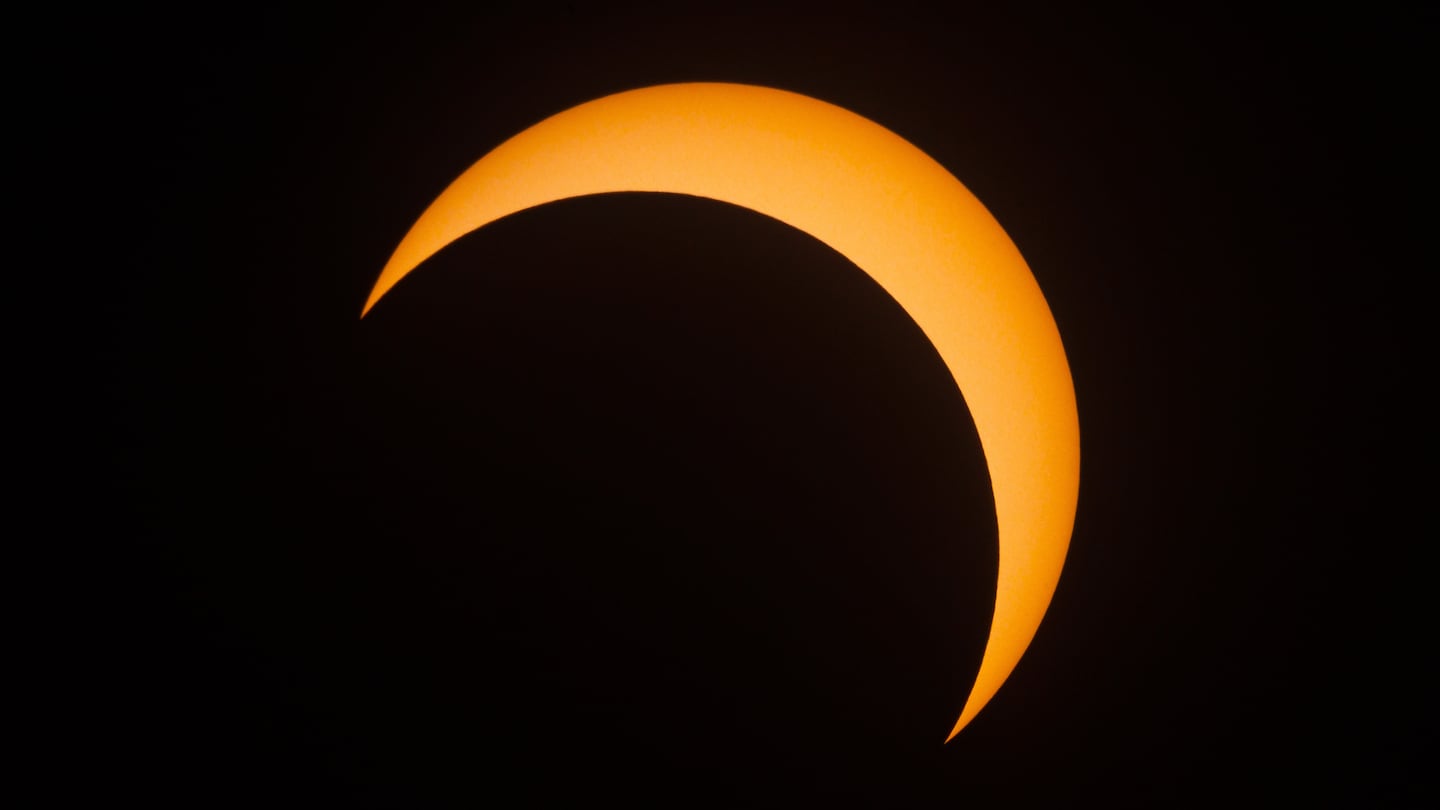
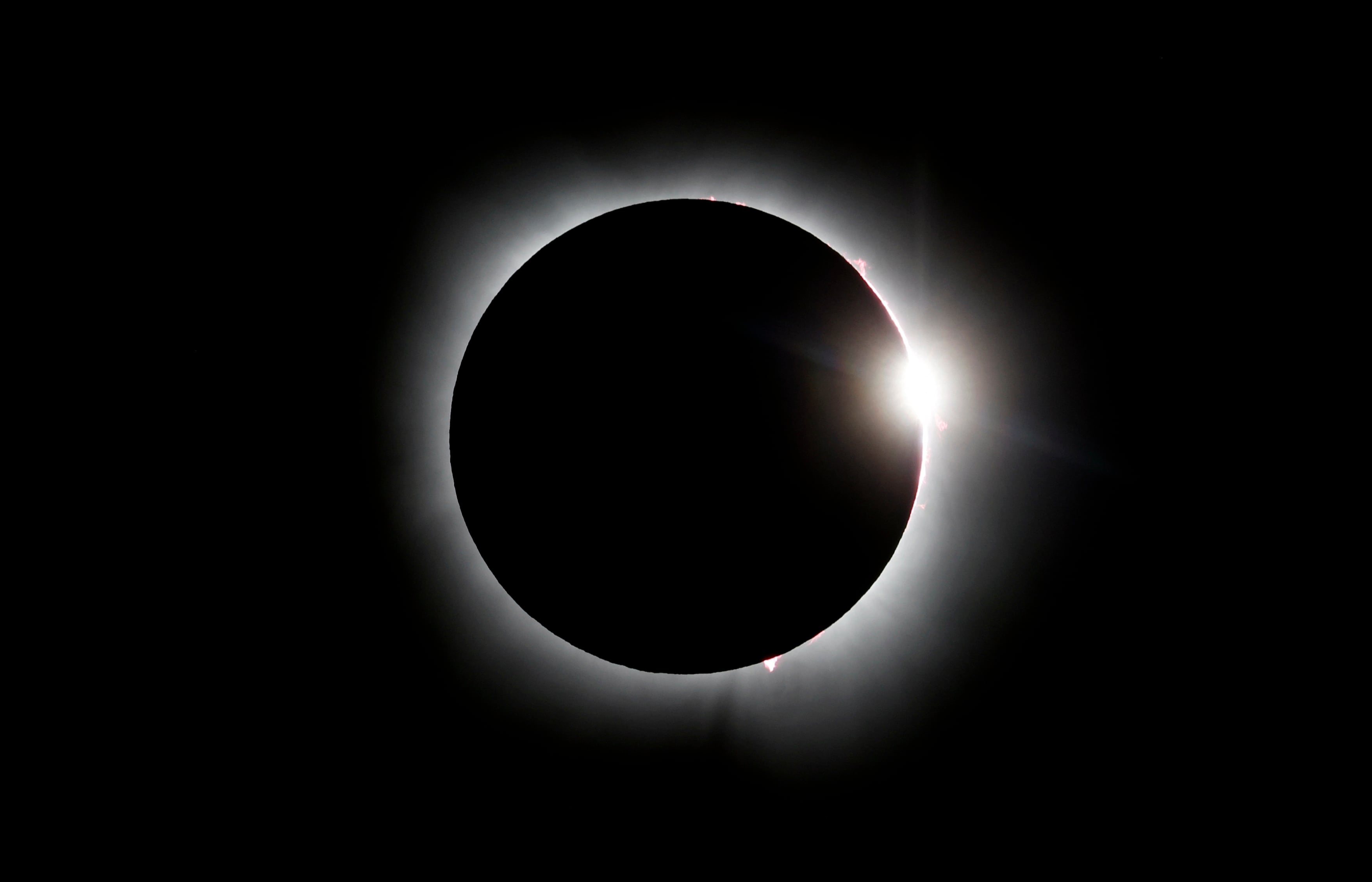
A total solar eclipse lasting over six minutes – the longest such event expected to be visible from land this century – is forecast to cross ten countries on August 2,2027. Confirmed by NASA, the “eclipse of the century” will be a partial spectacle for observers across Europe, Africa, and South Asia, but a narrow path from Spain to Somalia will experience complete totality. This article details the upcoming event, including itS projected path, duration, and debunking misinformation surrounding the phenomenon.
On August 2, 2027, a remarkable astronomical event will occur: a total solar eclipse with a phase of totality lasting 6 minutes and 22 seconds – the longest duration recorded on land this century.
The National Aeronautics and Space Administration (NASA) confirmed the date of the event on its official website. Dubbed the “eclipse of the century,” the event will be partially visible across much of Europe, Africa, and South Asia.
However, the total phase – when the Moon completely covers the Sun – will only be observable within a narrow strip crossing ten countries in the eastern hemisphere.
Así se vio el último eclipse total de sol en Costa Rica, en 1991
A Shadow Over 15,000 Kilometers
Table of Contents
According to the specialized portal Eclipse Wise, the eclipse’s path of totality will include Spain, Morocco, Algeria, Tunisia, Libya, Egypt, Sudan, Saudi Arabia, Yemen, and Somalia.
This band will reach an approximate width of 190 miles (258 kilometers) and travel over 9,455 miles (15,227 kilometers) across the Earth’s surface, covering an area of roughly 1.54 million square miles (2.5 million square kilometers).
While that figure seems substantial, it represents just a fraction of the planet – only 0.5% of the 315 million square miles (510 million square kilometers) of Earth’s land surface.
The extraordinary duration of the eclipse is due to the Moon being at its closest point to Earth, known as perigee. This proximity will allow for a more extensive and prolonged solar coverage.
For comparison, the total solar eclipse of April 8, 2024, visible in Mexico, the United States, and Canada, had a maximum duration of 4 minutes and 28 seconds.
A Fleeting Twilight, Not Complete Darkness
Misinformation circulating on social media suggests that “the Earth will be in total darkness for six minutes” and that this won’t repeat for 100 years. However, this claim is inaccurate. Space.com explained that there will be no global blackout. Instead, this will be an eclipse with an unusual duration, but it will only be experienced within the path of totality.
The site also notes that the darkness perceived during the total phase won’t be like night, but rather a twilight-like effect spanning 360 degrees.
Costa Rica’s Last Total Solar Eclipse in 1991
July 11, 1991, remains a memorable day in Costa Rica, when awe and science converged under a transformed sky.
At 2:01 p.m., the Sun disappeared for nearly seven minutes, plunging the country into a brief “night” in the middle of the day.
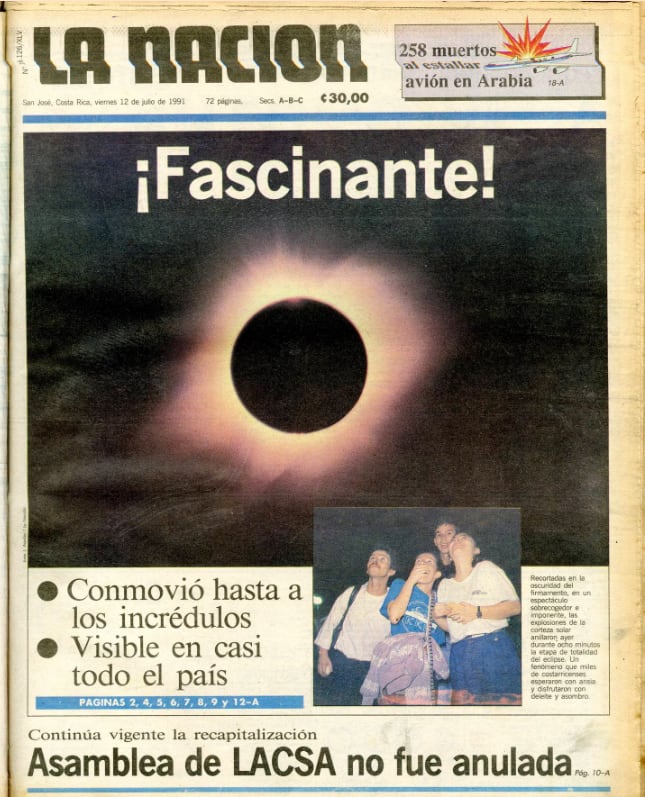
Costa Rica was in a privileged position to observe the eclipse in its full magnitude. The lunar shadow entered through Playas del Coco, crossed Guanacaste towns like Filadelfia and Belén, passed through the Gulf of Nicoya, and continued along the Pacific coast, reaching Parrita, Quepos, Puerto Cortés, and Golfito.
Favorable weather conditions allowed for a clear view of the phenomenon.
What Causes Solar Eclipses?

According to NASA, a solar eclipse begins with a near-perfect alignment of the Sun, Moon, and Earth: when the Moon passes between the Sun and our planet, it casts its shadow on Earth and, for a brief time, blocks the Sun’s light.
This cosmic dance doesn’t happen every new moon, as the Moon’s orbit is tilted by about five degrees relative to the plane of Earth’s orbit, causing the Moon’s shadow to almost always pass above or below the Sun from our perspective.
There are several types of solar eclipses, and each depends on the degree of coverage of the Sun by the Moon. In a total eclipse, the Moon completely blocks the Sun’s disk from certain locations on Earth, and for a few minutes, the Sun’s pale corona can be seen, normally hidden by the glare of its surface.
In an annular eclipse, the Moon is farther from Earth and doesn’t completely cover the Sun, leaving a luminous ring around the lunar disk.
Partial eclipses occur when only a portion of the Sun is covered, as the alignment isn’t perfect, and hybrid eclipses can behave as either total or annular depending on the location from which they are observed.
