
Cuba is facing a growing public health crisis as officials acknowledge a surge in cases of dengue, chikungunya, and Oropouche fever is overwhelming the island’s healthcare system. With nearly a third of the population reportedly impacted and hospitals nearing capacity-currently treating 47,125 patients as of November 14th-the government is admitting that official case numbers likely underestimate the true extent of the outbreaks. The situation is compounded by widespread shortages of medications and resources, prompting concern among both citizens and medical professionals [[1]].
Cuban health officials have acknowledged that reported case numbers for dengue and chikungunya may not fully reflect the extent of outbreaks across the island nation, as many ill individuals are not seeking medical care. This admission highlights the challenges in accurately tracking and responding to infectious disease outbreaks, a critical component of public health infrastructure.
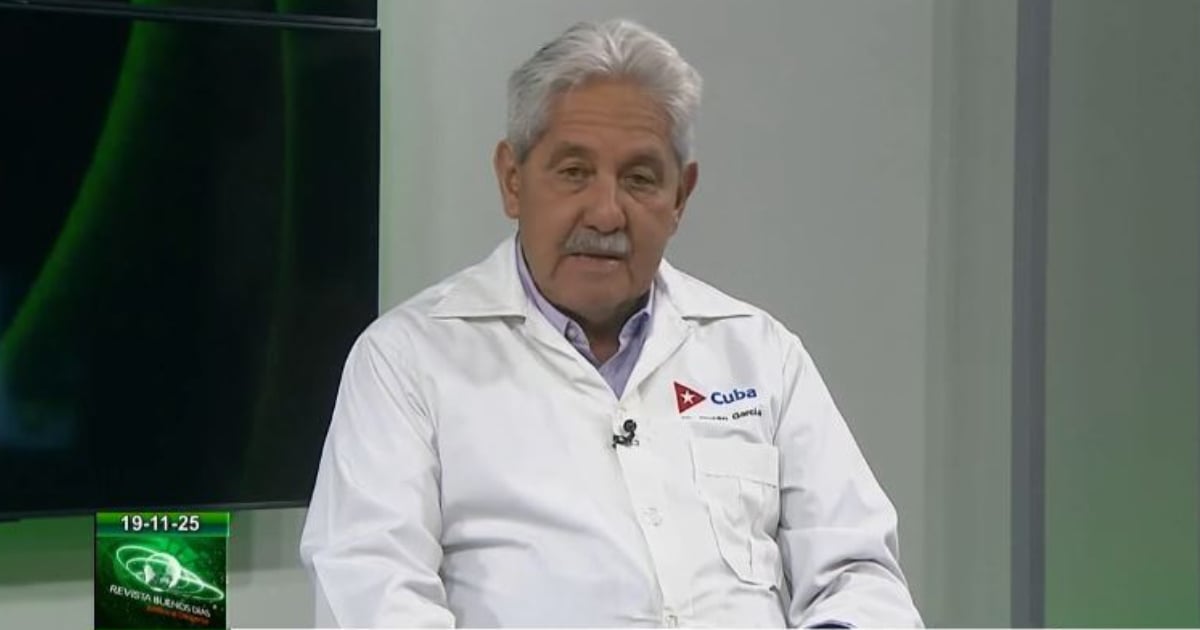
Dr. Francisco Durán García, National Director of Epidemiology at the Ministry of Public Health (MINSAP), stated on state television November 14th that “the information collected in the statistics does not always correspond to reality, because many people do not go to the doctor.”
Durán explained that Cuba is currently facing a “complex epidemiological situation” characterized by active dengue transmission and the rapid spread of chikungunya throughout all provinces. On November 13th, 1,706 patients presented with nonspecific febrile syndrome, and 3,226 people were admitted to hospitals, with 84.1% receiving care at home.
Currently, a total of 47,125 patients are hospitalized across the country.
Chikungunya is now considered the primary public health concern due to the high number of infections and the severity of symptoms. On November 14th, 3,103 suspected cases were reported, a figure Durán described as “high for a single day.”
The provinces of Camagüey, Sancti Spíritus, Cienfuegos, Matanzas, Villa Clara, Artemisa, Havana, Guantánamo, and Granma are experiencing active transmission.
As of November 14th, 2,216 patients diagnosed with chikungunya remain hospitalized, including 126 in hospital wards and 63 in intensive care units. Of those critically ill patients, 44 are in serious condition and 19 are in critical condition – all under the age of 18, underscoring the virus’s impact on children.
Dengue fever is endemic in Cuba, present in 14 provinces and 43 municipalities, and has caused fatalities in previous and current outbreaks, although current mortality figures have not been released.
New dengue fever hotspots have been identified in the municipalities of Bayamo and Río Cauto in Granma province.
Durán also addressed the Oropouche virus, an arbovirus first detected in Cuba earlier this year that initially raised alarm due to its rapid spread. He assured the public that no new cases have been diagnosed since September, although testing and epidemiological surveillance continue nationwide.
The official downplayed the threat of Oropouche, stating that “it is no longer the main problem” compared to the increasing burden of chikungunya.
The Aedes aegypti mosquito infestation rate remains at 0.70%, a level Durán characterized as high, indicating “significant potential for transmission.” Despite fumigation and larviciding campaigns, Durán admitted that current efforts “are still insufficient.”
“79% of the planned work was completed, and 223 teams did not work, 163 due to staffing shortages. Fumigation efforts are still insufficient,” he said, noting that a lack of personnel and resources severely impacts vector control.
Insecticide treatments were not carried out in the provinces of Pinar del Río, Artemisa, Matanzas, and Sancti Spíritus due to equipment breakdowns or resource shortages.
Durán stated that 3,703 hospital beds are available for chikungunya patients and assured the public that “there are no patients who require admission and cannot be hospitalized.” Hospital admissions are being prioritized for children and adults with comorbidities, while others are monitored at home.
However, this assurance does not address the widespread scarcity of medications in hospitals, a key reason why many individuals are choosing to stay home for care.
The epidemiologist also acknowledged the “desperation” of many Cubans in the face of intense pain and slow responses from the healthcare system. He recounted a patient telling him at a Havana polyclinic, “I’m dying of discomfort,” reflecting the suffering and anxiety caused by the illness.
Despite this, Durán urged the population to remain calm, acknowledging that “it is difficult to reassure someone who is suffering these pains.”
The official also denied the presence of West Nile virus in the country, stating that the Institute of Tropical Medicine “has not diagnosed any cases” after conducting hundreds of tests, although he acknowledged that other arboviruses are circulating on the island.
The public admission that reported figures do not reflect reality is unusual for the Cuban government, which typically minimizes or obscures epidemiological outbreaks. This acknowledgment confirms reports from doctors and citizens on social media: the health crisis in Cuba is worsening, and the healthcare system lacks the resources to effectively combat the rapidly expanding epidemic.
While MINSAP continues to report partial data and emphasize “self-care,” the population faces medication shortages, inadequate fumigation, and overwhelmed hospitals. Recent reports from several provinces describe overcrowded clinics, long wait times, and patients opting for home treatment due to lack of access to care.
