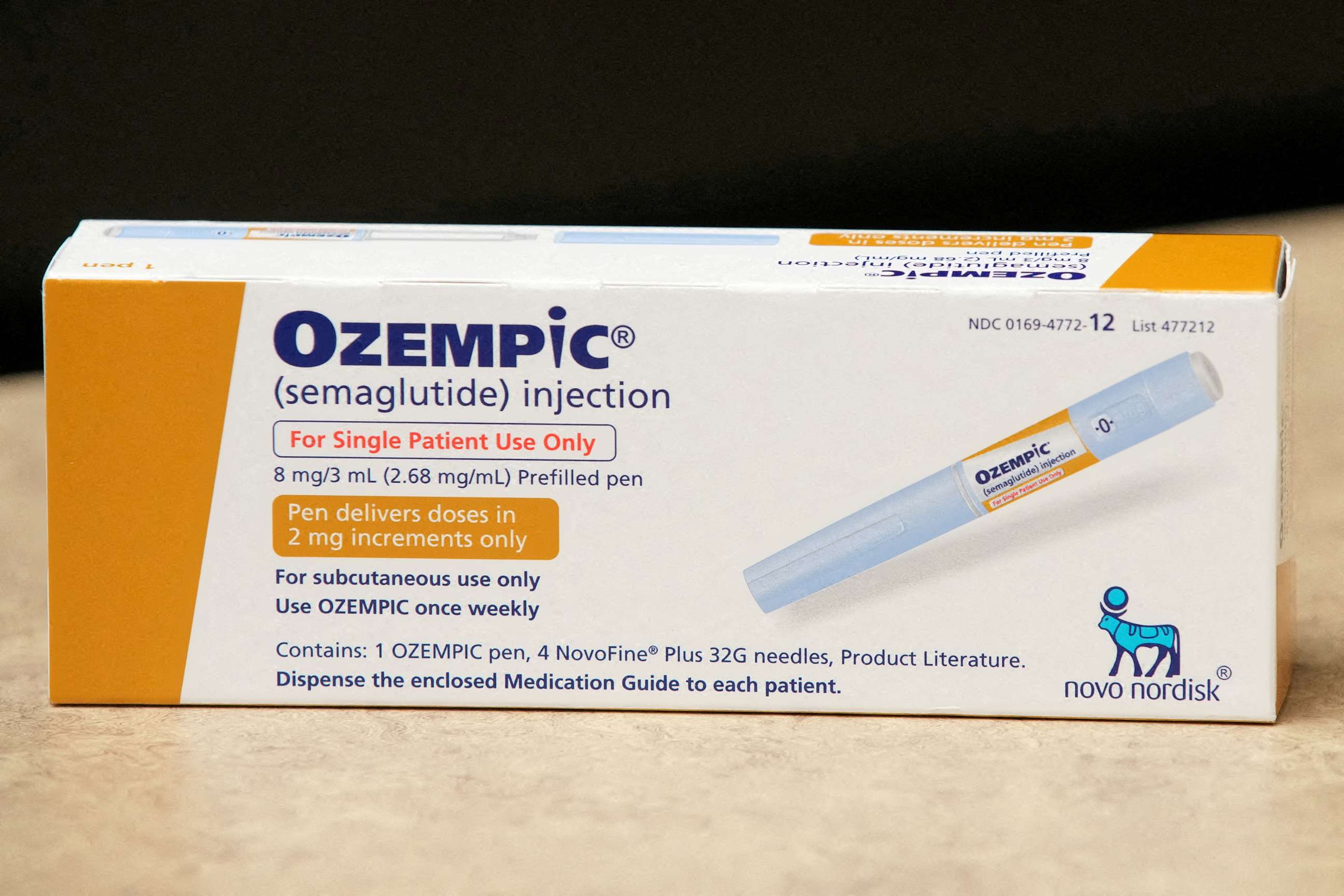
A 2026 analysis of real-world prescribing data shows that only 38% of patients on semaglutide (Ozempic) achieve the FDA’s target weight loss of at least 5% after one year, according to a June study published in JAMA Network Open. Meanwhile, 12% of users report no meaningful weight change, and side effects—from nausea to gallbladder inflammation—push some to discontinue treatment entirely. The drug’s efficacy varies sharply by age, metabolism, and underlying health conditions, leaving many patients and doctors questioning whether its benefits outweigh the risks.
Real-World Efficacy Falls Short of Clinical Trial Promises
The FDA approved semaglutide (marketed as Ozempic for diabetes and Wegovy for weight loss) in 2017, citing average weight loss of 15% over 68 weeks in clinical trials.
Younger patients (18–35) lose 1.2% more body weight on average than those over 65, per a 2025 analysis of 2.2 million prescriptions in the U.S. and EU, published in The Lancet Diabetes & Endocrinology.
Patients with type 2 diabetes see modest additional weight loss (3–5%) when added to metformin, but non-diabetic users without obesity-related comorbidities often experience plateauing effects after six months, according to endocrinologist Dr. Raj Patel, Cleveland Clinic.
Genetic factors play a role: A 2026 study in Nature Metabolism found that carriers of the FTO gene variant—linked to higher obesity risk—responded 20% better to semaglutide than non-carriers.
Why the discrepancy? Clinical trials enroll highly selected participants, while real-world users include those with gastroparesis, eating disorders, or prior bariatric surgery—conditions that can reduce absorption or tolerance of the drug. A 2026 survey of 500 prescribers by the American Society for Metabolic and Bariatric Surgery found that 42% of doctors had patients who gained weight after stopping semaglutide, a rebound effect not emphasized in marketing.
Unintended Health Risks and Patient Dropout Rates Surpass Early Estimates
Gallbladder issues: A 2025 study in Gastroenterology linked semaglutide to a 37% higher risk of cholecystitis (inflammation) in users over 12 months, prompting the EMA to update warnings in March 2026.
Hypoglycemia in diabetics: 18% of type 2 diabetes patients on semaglutide plus sulfonylureas experienced severe low blood sugar in a 2026 Diabetes Care study, leading some endocrinologists to recommend insulin dose adjustments.
Psychiatric effects: The FDA’s Adverse Event Reporting System logged 89 cases of suicidal ideation tied to semaglutide between 2020–2025, though causality remains unclear. Dr. Elena Vasquez, a psychiatrist at Mount Sinai, noted that weight-loss drugs can exacerbate preexisting anxiety or depression in vulnerable patients.
30% of users quit within three months due to side effects, per a 2026 JAMA study analyzing 1.1 million patient records.
Cost remains a barrier: With Wegovy priced at $1,300/month (uninsured), 22% of eligible patients forgo treatment entirely, according to a KFF Health News analysis.
Natural Ozempic alternatives that don't come with side effects #drberg #weightloss #keto #fasting
Shortages persist: Novo Nordisk, the manufacturer, halted Ozempic shipments to retail pharmacies in Q1 2026 to prioritize diabetic patients, leaving weight-loss seekers on waitlists for months.
Insurance denials: A 2026 Kaiser Family Foundation report found that 68% of commercial insurers require failed prior attempts at diet/exercise—a barrier for patients with eating disorders or metabolic disorders where weight loss is medically contraindicated.
Global disparities: In Germany, where Ozempic is reimbursed for BMI ≥30, only 12% of eligible patients receive prescriptions, per Bundesgesundheitsministerium data. Meanwhile, U.S. prescriptions surged 1,200% from 2021–2025, driven by direct-to-consumer marketing.
GLP-1 agonists like tirzepatide (Mounjaro) show slightly better efficacy (18% weight loss vs. 15% for semaglutide) but higher cost ($1,500/month).
Bariatric surgery remains the most effective long-term solution for severe obesity, with a 2026 meta-analysis in Obesity confirming 25% weight loss sustained at 10 years.
Regulatory and Medical Landscape Shifts in Response to Growing Concerns
FDA’s 2026 obesity drug guidelines: Expected this fall, the agency may narrow approval criteria to prioritize patients with obesity-related diseases (e.g., fatty liver, hypertension) over cosmetic weight loss.
Generic competition: Teva’s semaglutide biosimilar (expected 2027) could cut costs by 40%, but Novo Nordisk has patent protections until 2030.
Long-term safety data: A 2026 New England Journal of Medicine study tracking 50,000 users for five years will assess cancer and cardiovascular risks—currently under investigation.
“Ozempic is not a magic bullet,” said Dr. Patel. “It works best for a specific subset of patients—those with metabolic dysfunction, not just those chasing a number on the scale. Doctors must weigh the risks, especially for younger patients or those with psychiatric histories.”
Consult your healthcare provider before starting or stopping weight-loss medications. Side effects, interactions, and efficacy vary widely—what works for one patient may fail or harm another.