
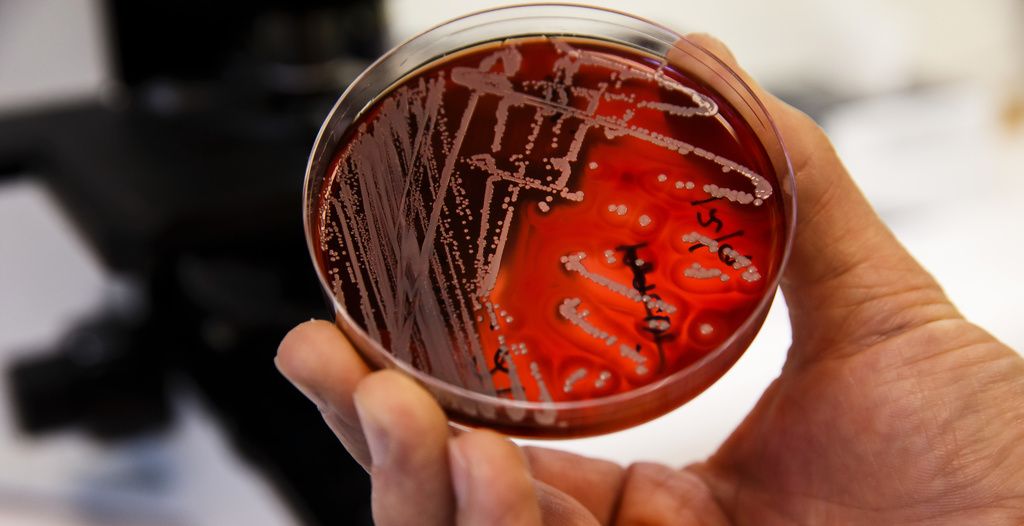
The alarming rise of antibiotic-resistant bacteria is undermining decades of progress in modern medicine, threatening to render common infections untreatable [[1]]. Antibiotics work by either killing bacteria or preventing their reproduction [[2]], but their overuse and misuse have accelerated the advancement of resistance. A new analysis reveals that despite global awareness,current efforts to curb this growing crisis are falling short,necessitating more robust and coordinated international action [[3]].
The increasing ineffectiveness of antibiotics poses a critical threat to global health, potentially returning society to an era where common infections prove fatal. That warning comes as current international efforts to combat antibiotic resistance appear to be falling short of what’s needed, according to a recent analysis.
While many nations have adopted plans to address the growing problem, a closer look reveals a gap between stated intentions and actual implementation. This discrepancy raises concerns about the world’s ability to effectively manage the crisis.
“Just as the world once created global structures for trade, nuclear weapons control, and climate emissions, we now need an internationally binding agreement for antibiotic use, innovation, and monitoring,” one expert argues. The need for a coordinated, global response is becoming increasingly urgent as antibiotic resistance spreads.
Countries with substantial resources, including Sweden, have a key role to play in developing such an agreement and ensuring a fair distribution of costs worldwide. A collaborative approach is essential to tackling this global challenge.
