
While offering convenience and rewards, the growing reliance on credit cards for everyday purchases – particularly groceries – is drawing scrutiny from financial experts. A concerning trend reveals how seemingly small,card-based transactions can accumulate into significant debt,often obscured by the delayed nature of billing. This report examines the psychological factors at play and explores strategies for regaining control of household spending, as families unknowingly navigate a system designed to encourage spending beyond immediate means.
Experts warn that paying for groceries with a card, while convenient, can quietly drain your account month after month.
For millions, credit cards have become a constant companion at the checkout: a tap on the point-of-sale system, no bills leaving the wallet, and a feeling of being able to fill the shopping cart without much thought.
Shoppers focus on points, cashback, and discounts, while the weight of the expense is deferred to a seemingly distant “pay later.”
This disconnect between the purchase and the final bill is at the heart of a new warning from financial experts. The risk, they explain, isn’t necessarily a single, unexpectedly large expense, but the everyday habit of using a card for even small purchases. This habit, over time, can create a budget shortfall, comprised of micro-expenses that go unnoticed but add up, potentially creating serious financial strain for those who believe they have control of their spending.
The psychological trick that makes you spend more (and creates hidden debt)
According to analysis, the issue isn’t the security of card payments, but how credit cards alter the perception of money. Originally intended for significant purchases, cards are now routinely used for everyday items like bread, milk, and groceries. This turns paying into an automatic, almost painless act. Without physically seeing cash leave your hand, it’s easy to lose track of the real value of what’s being purchased, leading to increased spending, often without realizing it.
In Italy, the average family spends over 400 euros per month on food alone. When all purchases are made with a card, the feeling of “paying later” creates a false sense of security that encourages overspending. This results in balances to cover at the end of the month that, if not paid in full, begin to accrue interest that can exceed 20% annually. Effectively, this builds hidden debt: you think you’ve only done the grocery shopping, but between installments, revolving options, and small delays, you end up paying far more for that same cart of goods than the price tag indicates.
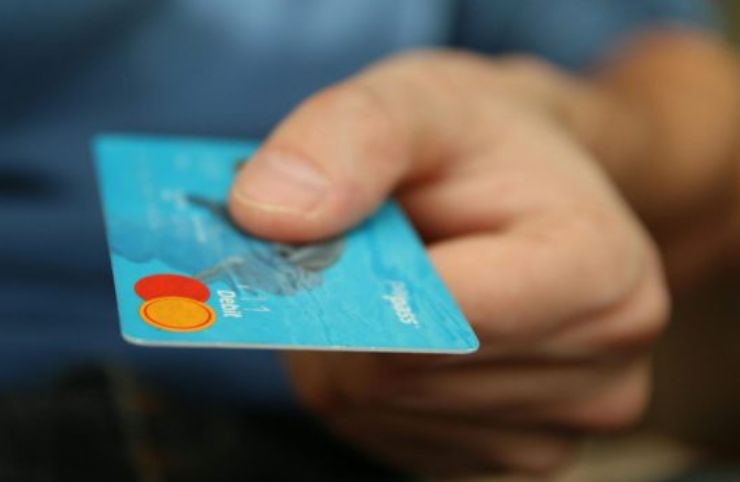
Why cash protects you (and how to use cards strategically)
As outlined, banks profit in two ways: through commissions on each transaction and through interest charges when balances aren’t paid in full or are broken down into installments. Experts suggest returning to cash for everyday spending. Creating a list, setting a budget, and carrying only that amount of cash helps visualize every euro spent, curbing impulse purchases. Studies suggest a reduction in unnecessary spending of up to 30% when paying solely with cash and adhering to a strict budget.
Credit cards shouldn’t be demonized, but used strategically, experts say. It’s best to reserve them for major, traceable purchases – appliances, travel, exceptional expenses – and pay the balance in full at the end of the month, avoiding installment payment options for groceries at all costs. For everything else, especially at the supermarket, cash remains the best ally for managing finances and avoiding the surprise of unexpectedly high spending just weeks later.
