
Antibiotic resistance is increasingly recognized as one of the most significant global health threats. The phenomenon occurs when bacteria develop the ability to survive exposure to medications designed to kill them, turning common infections into potentially untreatable conditions. According to the European Centre for Disease Prevention and Control, approximately 35,000 deaths annually in Europe are linked to antibiotic resistance.
However, a recent discovery from an ice cave in Romania suggests this resistance isn’t a modern problem—and could potentially offer fresh avenues for scientific research. Published in Frontiers in Microbiology, the study provides new insights into the natural origins of bacterial resistance.
Glacial Discovery Sheds Light on the Origins of Antibiotic Resistance
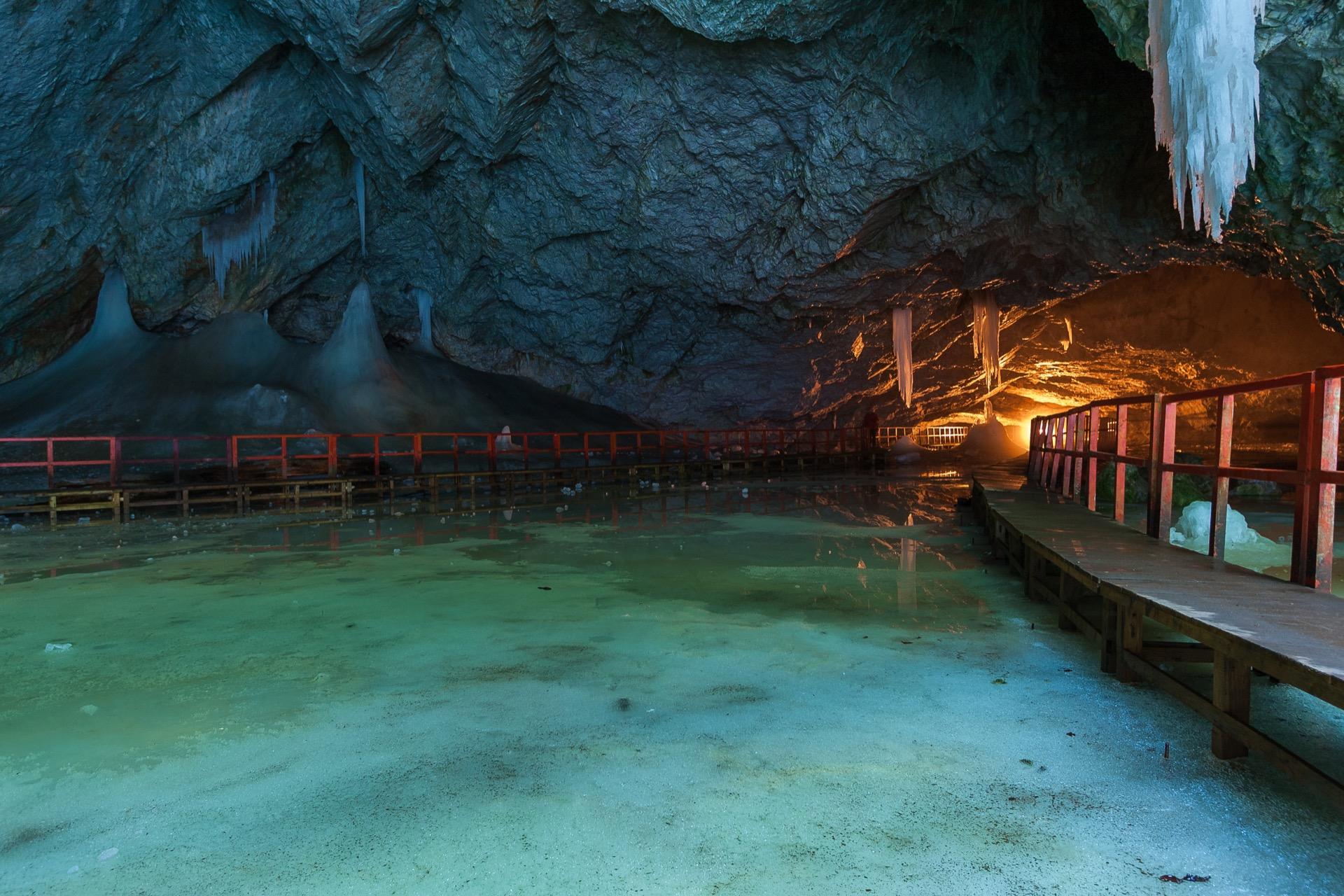
Researchers working in the Scărișoara subterranean cave isolated a bacterium trapped in the ice for approximately 5,000 years. The studied strain, named Psychrobacter SC65A.3, belongs to a genus of bacteria adapted to extremely cold environments. To extract the sample, scientists drilled a ice core 25 meters deep into the cave’s “Great Hall.” Samples were handled under strictly sterile conditions to prevent any modern contamination.
Laboratory tests revealed the strain was resistant to at least 10 antibiotics from different therapeutic classes, including rifampicin, vancomycin, and ciprofloxacin. Remarkably, the bacterium’s genome contains over 100 genes potentially associated with resistance.
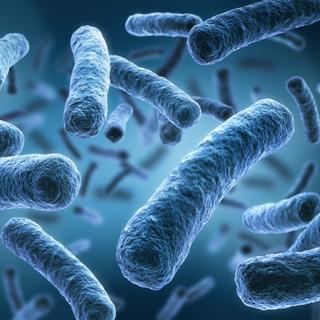
The overuse and misuse of antibiotics has fueled antibiotic resistance, now one of the major threats to global health. © Kaliel, Adobe Stock
“Despite its ancient origin, this strain exhibits resistance to many modern antibiotics,” explained Dr. Cristina Purcarea, from the Bucharest Institute of Biology. This suggests that resistance mechanisms existed in bacteria long before the human invention of antibiotics.

Tags : sante
Antibiorésistance : la découverte récente de cette mystérieuse bactérie inquiète les chercheurs
Lire l’article
This discovery underscores a fundamental reality: antibiotics naturally exist in the environment. A 2011 study published in Nature analyzed bacteria extracted from permafrost in the Arctic, dating back nearly 30,000 years. The results showed these ancient microorganisms already possessed genes resistant to several modern antibiotic classes, including beta-lactams, tetracyclines, and glycopeptides.
Natural Bacterial Resistance: A Hidden Threat in the Ice
Although these bacteria remained confined within the ice for millennia, climate change could alter that. The melting of glaciers raises a critical question: what would happen if these resistance genes came into contact with current pathogenic bacteria? “If the melting of the ice releases these microbes, their genes could spread to modern bacteria,” warned Dr. Purcarea.
If the melting of the ice releases these microbes, their genes could spread to modern bacteria
The discovery highlights that antibiotic resistance is deeply rooted in the Earth’s natural history. Excessive antibiotic apply in medicine and agriculture doesn’t create resistance from scratch; it selects for and amplifies mechanisms already present in the environment.
Ancient Bacteria Towards a New Source of Antibiotics?
However, the same bacterial strain also exhibits promising properties. Researchers identified enzymes active at low temperatures, potentially of interest to biotechnology research. More intriguingly, the bacterium demonstrated the ability to inhibit the growth of certain multi-resistant bacteria in the lab, opening avenues for future research.
Tags : sante
Les bactéries résistantes aux antibiotiques ont tué plus d’un million de personnes en 2019
Lire l’article
Its genome contains nearly 600 genes with still-unknown functions, as well as around ten potentially involved in the production of antimicrobial compounds. “These ancient bacteria represent both a risk and an opportunity,” the team emphasized. They could inspire the development of new antibiotics or new strategies to overcome current resistances.
In a context where the search for new molecules with antibacterial properties is struggling to keep pace with microbial evolution, exploring extreme environments is becoming a strategic approach. Ice caves, deep-sea abysses, and polar soils represent largely unexplored genetic libraries.
