
Interview with Pablo Durán, Regional Advisor on Perinatal and Neonatal Health at PAHO
Washington, D.C., March 3, 2026 (PAHO) – Today is World Birth Defects Day, a crucial opportunity to raise awareness about conditions that remain a leading cause of newborn mortality and childhood disability across the Americas. Despite the potential for prevention or treatment, thousands of families each year face diagnoses requiring specialized care, ongoing monitoring and comprehensive support.
This year’s theme, “Every Journey Matters,” highlights that these conditions impact not only those born with them, but also their families and communities, underscoring the importance of strengthening prevention efforts and ensuring timely access to quality healthcare services. Congenital defects represent a significant public health challenge, and increased awareness is vital for improving outcomes.
In this interview, Pablo Durán, Regional Advisor on Perinatal and Neonatal Health at the Pan American Health Organization (PAHO), shares insights into the persistent challenges, impactful interventions in the region, and necessary actions to reduce the impact of birth defects with a focus on equity and destigmatization.
Why do birth defects continue to be a major cause of newborn mortality in the Americas, despite advances in child health?
Even as the Americas region has made significant progress in reducing newborn mortality, decreasing from 12.9 deaths per 1,000 live births in 2000 to 7.1 in 2023, according to data from PAHO and the United Nations, deaths due to congenital malformations have not decreased at the same rate.
Currently, more than 20,000 newborns die each year in the region from birth defects, and approximately 22% of deaths in the first month of life are associated with these conditions. As other preventable causes of death, such as infections or birth complications, are brought under control, congenital anomalies represent a relatively larger proportion of newborn mortality.
What accounts for this gap?
The gap is due to several factors. Many of the interventions that reduced other causes of neonatal and childhood mortality—such as improvements in nutritional status, infection control, prenatal and delivery care, and vaccination—are specific, relatively simple, and cost-effective actions.
In contrast, preventing and addressing birth defects requires more complex and sustained interventions throughout the course of life: from before pregnancy, during gestation, and after birth. This includes actions in health, nutrition, and the environment, as well as access to specialized services.
inequalities persist in access to prevention, early diagnosis, and specialized care. Challenges also remain in surveillance systems, making it hard to fully assess the scope of the problem and design more targeted responses. Many of these conditions also have multiple—and sometimes unknown—causes, making their prevention and reduction more complex.
What are the most common causes of birth defects in our region, and which are preventable?
The causes are multiple and include genetic factors, nutritional deficiencies—such as a lack of folic acid—and infections during pregnancy, like rubella and the Zika virus, as well as environmental exposures.
Not all are preventable, but a significant number can be avoided or mitigated with effective public health interventions, particularly those related to fine nutrition, vaccination, and prevention of infections during pregnancy.
strengthening access to and the quality of care before and during pregnancy is key. Prevention begins even before conception, with information, planning, and appropriate health check-ups that allow for early action.
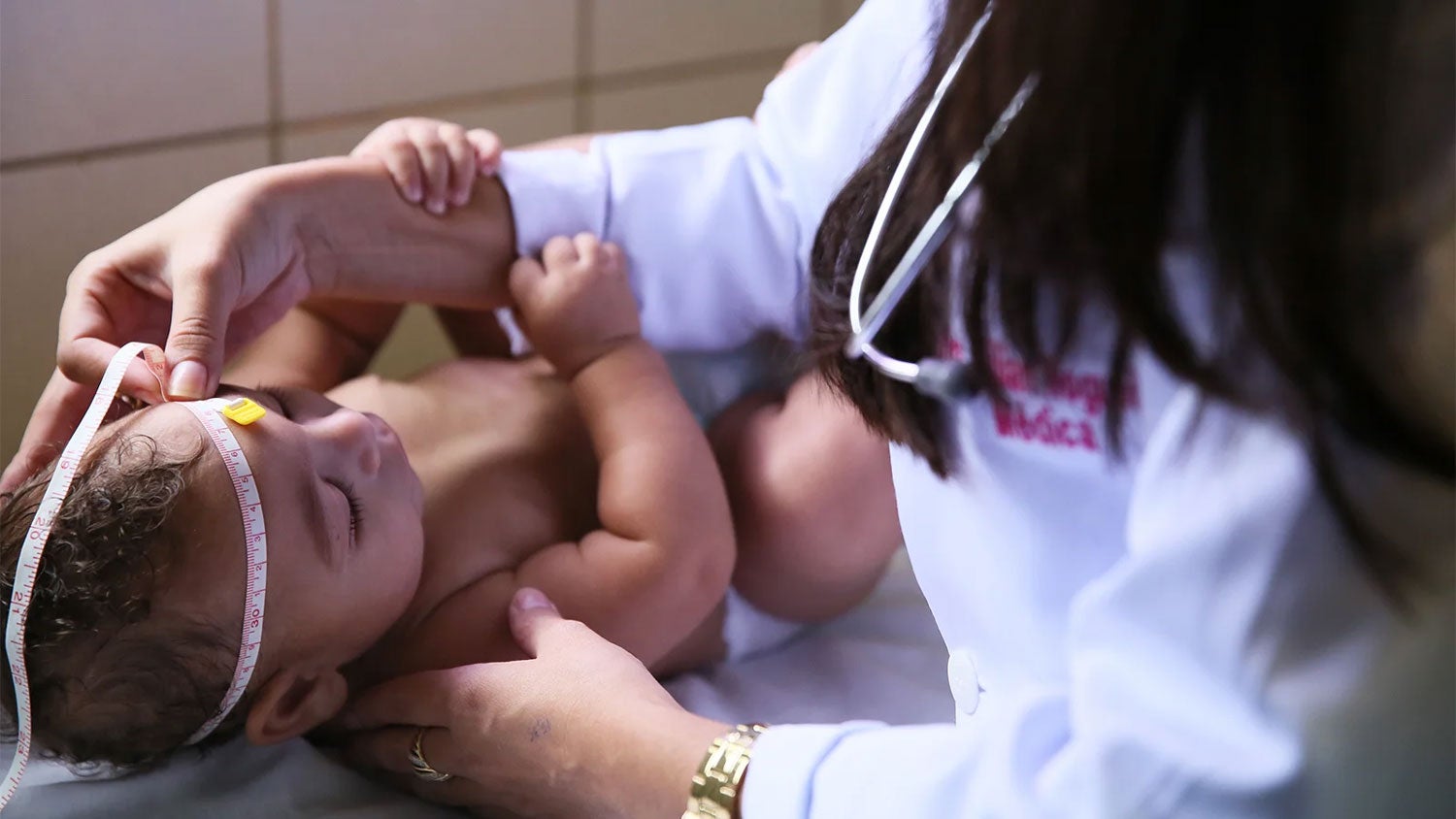
What public health interventions have demonstrated the greatest impact in prevention?
Among the interventions with the most evidence of impact are food fortification with folic acid, which has been shown to significantly reduce neural tube defects, and vaccination against rubella, which prevents congenital rubella syndrome.
These measures, along with epidemiological surveillance, screening and registry systems, and strengthening health systems, are fundamental pillars for reducing the burden of these conditions.
PAHO has developed the Birth Defects Repository of the Americas. How can this tool improve public policies and decision-making?
The Repository consolidates data reported by national surveillance systems in Latin America and the Caribbean, many of which have decades of experience in monitoring birth defects. Today, more than 15 countries have surveillance programs, with varying levels of scope, and others are progressing with technical support from PAHO.
This tool improves comparability between countries, identifies trends and gaps, and strengthens evidence-based decision-making. Having timely and quality information is essential to guide resource allocation, plan services, and prioritize interventions, especially for conditions that can be treated after birth, such as some congenital heart diseases or neurometabolic disorders.
What else is PAHO doing to support member countries in improving care and services?
PAHO also supports countries by generating evidence, providing technical cooperation and training, and supporting the development of public policies aimed at prevention, early detection, and comprehensive care.
Many of these actions do not require complex or costly interventions. Significant progress can be made from primary care—in pre-conception and prenatal care—and PAHO works closely with countries in this area.
We also promote an integrated approach that combines prevention, early diagnosis, access to specialized treatment, and ongoing follow-up, with an emphasis on equity and destigmatization. Because behind every diagnosis, there is a family that needs support and quality services.
What lessons did the Zika epidemic of 2016/7 abandon in relation to surveillance and response to birth defects?
The Zika epidemic highlighted the importance of having articulated surveillance systems capable of detecting unusual increases in certain congenital anomalies early on. It also underscored the need to integrate epidemiological surveillance with clinical care and long-term follow-up of affected children, reinforcing a life-course approach.
Above all, it allowed us to recognize that the prevention of birth defects linked to infectious diseases, and particularly those transmitted by vectors such as mosquitoes, requires comprehensive approaches involving surveillance and response from an entomological, laboratory, clinical, and community perspective.
What are the challenges in Latin America and the Caribbean for early detection and newborn screening?
Important challenges persist in terms of coverage, quality, and equity in access to newborn screening and early diagnosis. Social, economic, and geographical gaps directly influence the timeliness of diagnosis and the continuity of care.
Expanding screening coverage and ensuring access to specialized services remains a priority. It is also essential to adopt an integrated approach: acting on the environment, strengthening prevention before and during pregnancy, and ensuring networks of services that allow for antenatal diagnosis, timely referral, and rapid response to conditions such as congenital heart disease or spina bifida.
The motto of this year’s World Day is “Every Journey Matters.” What key message would you like to convey to families, healthcare teams, and decision-makers?
The message is clear: every child, every family, and every journey deserves support, respect, and access to quality services. Reducing the impact of birth defects involves advancing prevention, early detection, and comprehensive care, with a focus on equity and destigmatization. Every journey matters because behind every diagnosis there is a story that deserves to be accompanied by strong public policies, strengthened health systems, and sustained commitment.
