
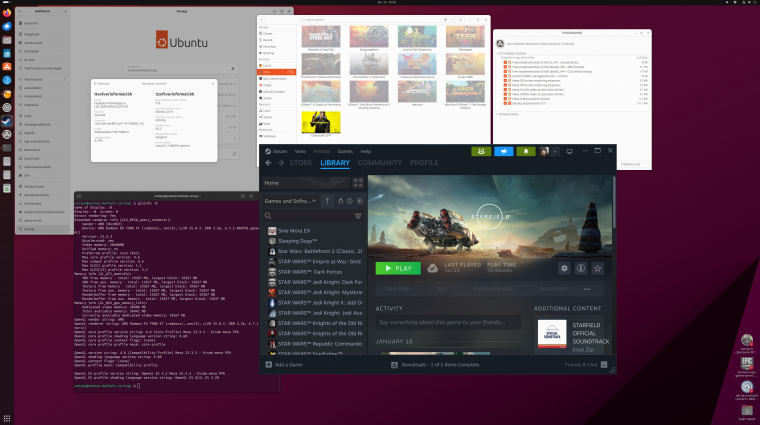
France is accelerating its transition toward digital autonomy by replacing Microsoft Windows with Linux across its public administration. As of April 11, 2026, the leadership in Paris has signaled a firm commitment to this migration as a primary step in securing the state’s digital independence.
This strategic pivot reflects a wider global trend among governments seeking to minimize reliance on proprietary software to enhance software sovereignty. By shifting to an open-source ecosystem, the move underscores a growing priority to maintain greater control over critical government infrastructure and data security.
Even as national governments are managing these transitions at scale, the experience for individual users is often more volatile. Many people attempting to switch from Windows to Linux encounter specific technical pitfalls that can be discouraging, often driving them back to the familiar Windows environment. Identifying and navigating the five most significant Linux challenges that deter new users is essential for those looking to avoid these common hurdles and successfully adopt the operating system.
