
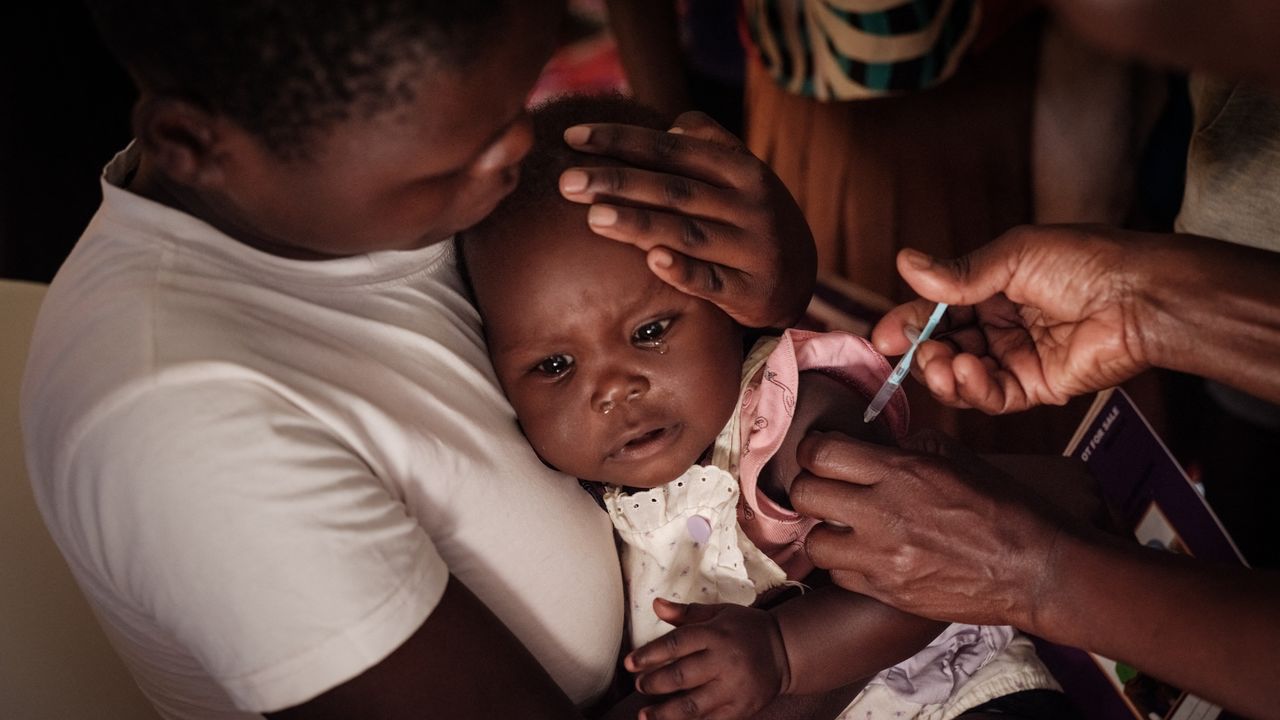
World Health Organization has approved the first malaria treatment specifically designed for newborns and infants, marking a significant advancement in the global fight against the disease.
The new medication is intended for babies weighing between two and five kilograms. Previously, infants with malaria were treated using drugs formulated for older children, which increased the risk of incorrect dosing, toxicity, and adverse effects in this vulnerable age group.
According to WHO, tens of millions of babies could benefit from the approval. The organization estimates that approximately 30 million babies born each year in malaria-endemic regions across Africa now have a better chance of receiving appropriate care.
Malaria remains a major public health threat, particularly in sub-Saharan Africa, Asia, and South America. In 2024 alone, there were over 280 million malaria infections worldwide, resulting in 610,000 deaths. The majority of those who died were children under the age of five.
Alongside the new treatment, WHO has also approved updated diagnostic tests that improve the ability of healthcare workers to detect malaria accurately, especially in young patients where symptoms can be demanding to interpret.
The announcement coincided with World Malaria Day on April 25, an annual observance dedicated to raising awareness about efforts to control and eliminate the disease. WHO officials described the approval as a crucial step forward, stating that eradicating malaria is no longer just a dream but a realistic possibility.
