
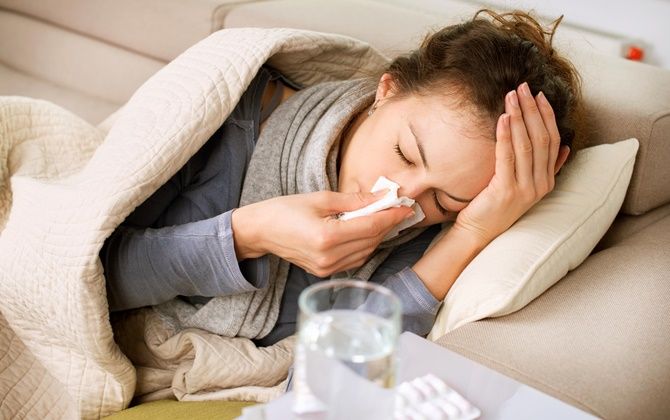
As flu season approaches, health officials continue to emphasize the importance of vaccination, particularly for vulnerable groups such as young children and older adults. The trivalent influenza vaccine, which protects against three strains of the virus, remains a key tool in preventing severe illness and death associated with influenza.
Unlike the common cold, influenza can lead to serious complications, including hospitalization and fatalities, especially among high-risk populations. Vaccination is widely recognized as the most effective way to reduce these risks, with public health campaigns urging increased uptake across all age groups.
Efforts to improve access to the vaccine have shown promise, as affordability initiatives have been linked to higher vaccination coverage in some regions. When costs are lowered, more individuals—particularly in underserved communities—are able to receive protection, contributing to broader community immunity.
Health authorities, including pediatric associations, have affirmed the safety of the trivalent influenza vaccine for young children, reinforcing confidence in its employ as part of routine immunization schedules. These endorsements are based on extensive monitoring and clinical data supporting the vaccine’s safety profile.
Experts note that optimal protection from influenza vaccination is achieved when administered before the peak of flu season, allowing time for the body to build immunity. Timing, combined with widespread availability and public awareness, plays a crucial role in maximizing the vaccine’s impact on public health.
While the vaccine is not yet universally free in all countries, advocates argue that expanding no-cost access could further reduce barriers and improve equity in prevention. Until then, targeted outreach and subsidized programs remain vital strategies for reaching those most at risk.
vaccination remains a cornerstone of influenza prevention. By getting vaccinated annually, individuals not only protect themselves but also help safeguard others—especially those who cannot be vaccinated due to medical conditions—through herd immunity.
