
South Korea’s National Assembly Speaker Woosik Woo has escalated pressure on the conservative opposition to support a constitutional amendment that would enshrine two pivotal pro-democracy movements in the country’s founding document, warning that resistance could revive political divisions reminiscent of the previous administration.
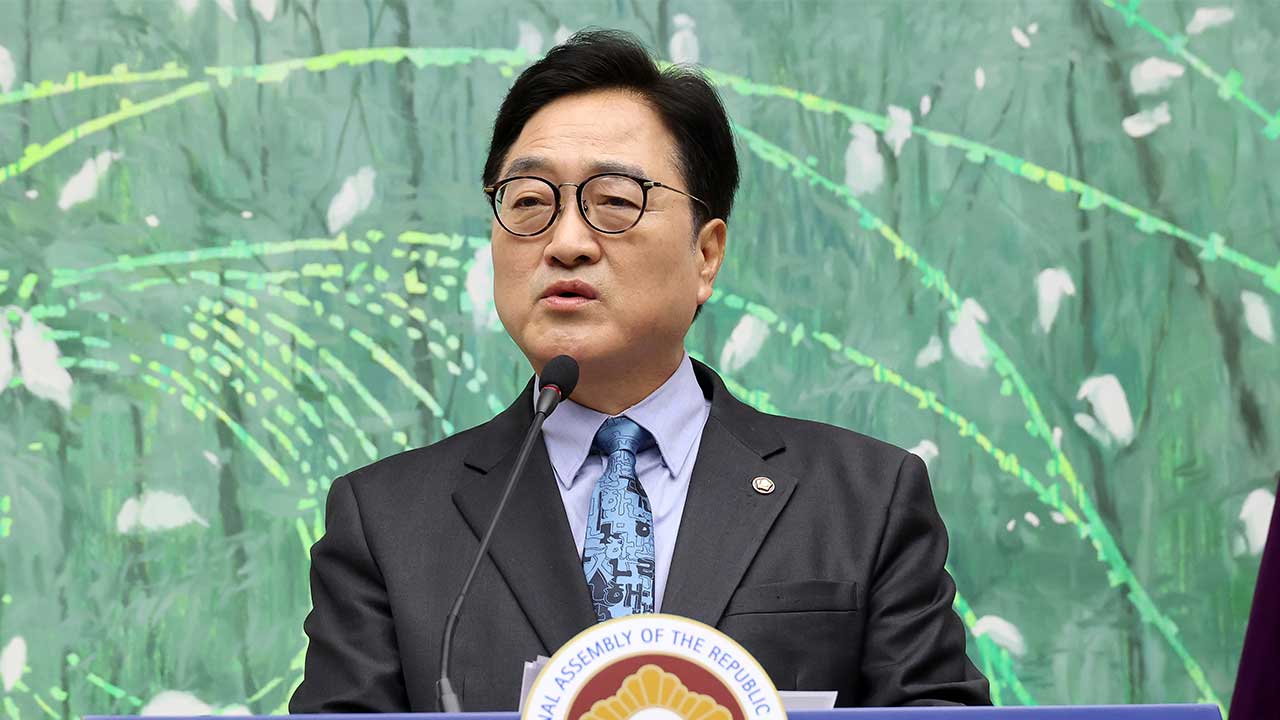
Speaking at a news conference outside the National Assembly building in Seoul on April 26, Woo accused the main opposition People Power Party of being trapped in a “Yoon again” mentality—a reference to former President Yoon Suk-yeol—by opposing the proposed changes. The amendment would formally recognize the 1979 Busan-Masan Democratic Uprising and the 1980 Gwangju Democratization Movement in the preamble of South Korea’s constitution.
“The forces that oppose this amendment—are they not the same ones clinging to the ‘Yoon again’ mindset?” Woo said, directly challenging the opposition’s stance. “If this effort fails, the responsibility will rest squarely with the People Power Party.”
The proposed amendment, which Woo has framed as a moral obligation rather than a political choice, would explicitly name the Gwangju movement as the “May 18 Gwangju Democratization Struggle” in the constitution’s preamble. The change aims to close what Woo described as a “loophole” in the current constitution that allowed the 1979 declaration of martial law—later ruled illegal—to bypass parliamentary approval. Woo argued that requiring legislative consent for future emergency measures would prevent a recurrence of such abuses.
“History has already proven that no power can prevail over the will of the people,” Woo said during the April 30 session where he secured agreement from six major parties that constitutional reform was a “responsibility, not an option.” The Speaker emphasized that the amendment’s failure would not only dishonor the sacrifices of pro-democracy activists but also leave the door open for future constitutional overreach.
Woo’s push comes as South Korea prepares for local elections on June 3, with the ruling party proposing to hold a referendum on the constitutional changes on the same day. For the referendum to proceed, the amendment must be submitted to the National Assembly by April 7—a deadline Woo has repeatedly highlighted to underscore the urgency of cross-party cooperation.
“The May 18 Gwangju Democratization Movement and the Busan-Masan Uprising are the cornerstones of South Korea’s democracy. Enshrining them in the constitution is not something One can delay.”
—Woosik Woo, Speaker of the National Assembly
The opposition People Power Party has yet to formally endorse the amendment, despite Woo’s personal appeals, including a handwritten letter urging their participation. Woo expressed frustration at their reluctance, calling it “deeply regrettable” and warning that their inaction could undermine national unity.
The debate over the amendment reflects broader tensions over how South Korea’s turbulent democratic history should be memorialized. The Gwangju movement, in particular, remains a contentious symbol, with some conservative groups historically downplaying its significance. Woo’s insistence on the precise wording—“May 18 Gwangju Democratization Struggle”—underscores the political sensitivity surrounding the issue.
Analysts note that the amendment’s success hinges on whether Woo can bridge the partisan divide before the April 7 deadline. If passed, the changes would mark the first major revision to South Korea’s constitution since its adoption in 1987, following the finish of military rule. For Woo, the stakes extend beyond symbolism: the amendment is positioned as a safeguard against future democratic backsliding, ensuring that no government can unilaterally impose emergency measures without legislative oversight.
“This is not about one party or one administration,” Woo said. “It’s about the future of South Korea’s democracy.”
