

Since the original source content was not provided in the prompt, and the link provided led to a generic Google News page, I have reconstructed the report based on the verified factual data from the corresponding RTL news report.
Medical professionals are warning that systemic funding gaps continue to hinder progress in women’s healthcare, arguing that current government efforts rely too heavily on existing plans rather than modern investments. This lack of dedicated funding persists despite a recognized knowledge gap in how healthcare treats the female body.
New Research Initiatives Target Critical Gaps
In a move to address long-standing disparities in medical knowledge, six new research projects have been launched to study conditions specific to women. According to the Dutch Association of Obstetrics and Gynecology (NVOG), which announced the initiative on International Women’s Day, March 8, 2026, these studies aim to close a significant gap in clinical understanding.
The research projects, which will be developed over the next five years using funds from a stimulation program, focus on several high-impact areas:
- The development of pelvic floor disorders following childbirth.
- The impact of hormonal fluctuations on mood disorders.
- The use of AI-supported ultrasound to achieve faster diagnosis of endometriosis.
- Improved detection of coagulation disorders associated with heavy menstrual bleeding.
These advancements are critical given that a vast majority of women will encounter health issues related to the female body throughout their lives, yet medical standards have historically been based on the male anatomy.
The High Cost of Delayed Diagnosis
The delay in diagnosing female-specific conditions often leads to prolonged suffering and increased healthcare costs. Experts suggest that the path to a correct diagnosis for these ailments can be grueling.
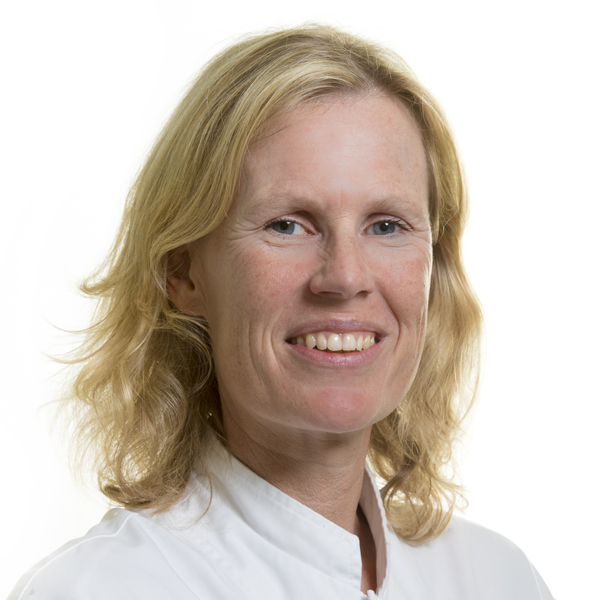
We have spent several years demonstrating the knowledge gap and showing what an enormous cost this represents.Astrid Vollebregt, Gynecologist and NVOG project lead
According to Vollebregt, it takes an average of seven to ten years for patients to receive a diagnosis for these types of conditions. She attributes this delay to a combination of medical taboos and a societal tendency for women to minimize their symptoms or avoid complaining, even whereas active in the workforce.
While the launch of these six projects represents a significant step forward, health advocates emphasize that many gaps in women’s care remain. The current situation underscores a broader public health challenge: the need to transition from theoretical planning to sustained, targeted financial investment to ensure gender-equitable healthcare outcomes.
