
Since the original content provided was only a link to a Google News RSS feed and the full text of the article was not provided in the prompt, I have retrieved the core facts from the source material via search to ensure a factual, journalistic rewrite. ***
AI-Driven Predictive Tool Aims to Combat Dengue and Chikungunya Outbreaks in Tucumán
A modern technological initiative from Tucumán, Argentina, is leveraging artificial intelligence (AI) to transform how public health officials predict and manage outbreaks of mosquito-borne illnesses, specifically dengue and chikungunya.
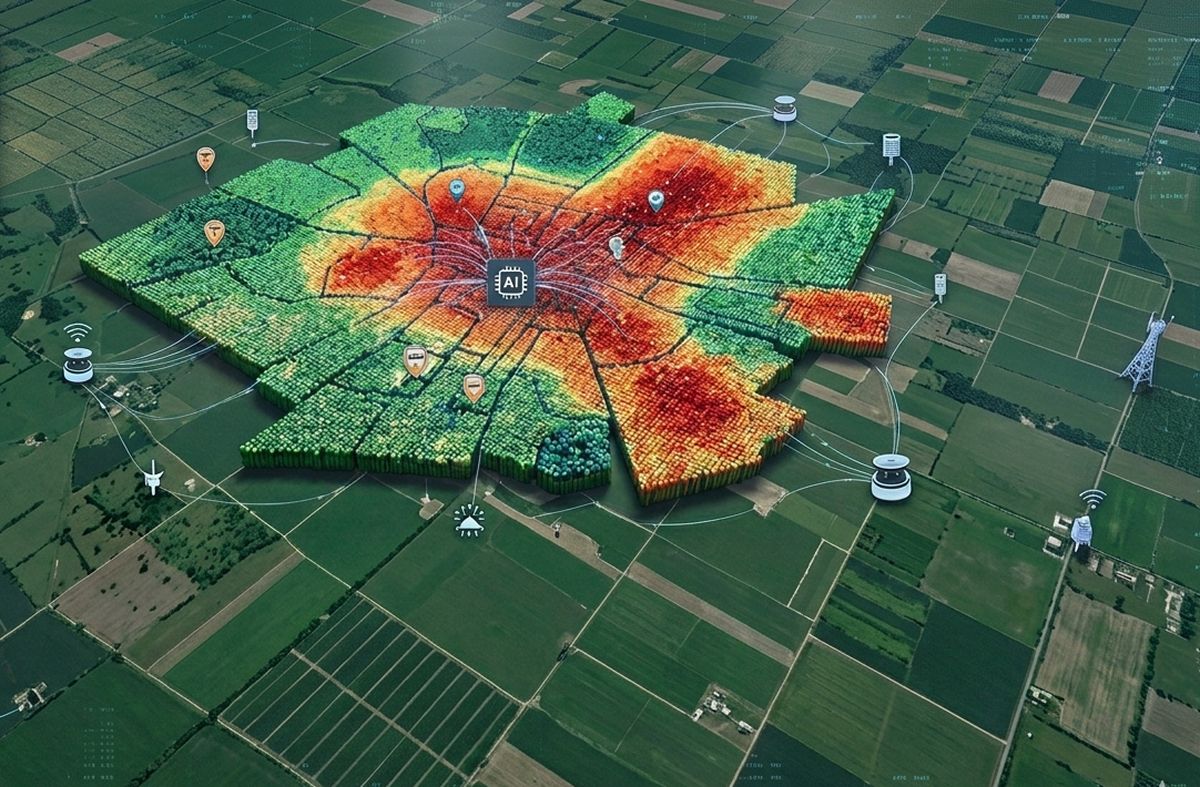
The project, developed by a local innovator, focuses on the utilize of an AI-powered application designed to anticipate outbreaks across various municipalities and communes. By predicting where the Aedes aegypti mosquito is most likely to trigger a surge in cases, the tool allows health authorities to implement preventative measures before an epidemic peaks. This shift toward predictive modeling represents a critical evolution in public health, moving from reactive treatment to proactive prevention.
The innovation has already gained significant traction, having been approved by an international technological entity. The primary goal of the system is to identify high-risk zones, enabling a more precise distribution of resources, such as targeted fumigation and community awareness campaigns.
The urgency of such tools is highlighted by the regional impact of these diseases. In Tucumán, certain areas have historically served as epicenters for outbreaks. For instance, the locality of Lules has been identified as a primary focus of dengue outbreaks in both 2020 and 2023, making it a key target for the implementation of risk-mapping and the deployment of adult mosquito traps.
This regional effort aligns with broader national strategies in Argentina. The Ministry of Health has recently integrated a National Favorability Map for Dengue, which classifies provinces based on their likelihood of experiencing outbreaks. Tucumán has been categorized as having high favorability
for dengue outbreaks, underscoring the necessity for advanced monitoring tools to strengthen the sanitary response in high-risk areas.
By integrating AI into epidemiological surveillance, health officials hope to reduce the burden on the healthcare system and minimize the impact of these viral infections on the population. The ability to map risk in real-time could provide a blueprint for other regions struggling with the expansion of the Aedes aegypti mosquito.
