
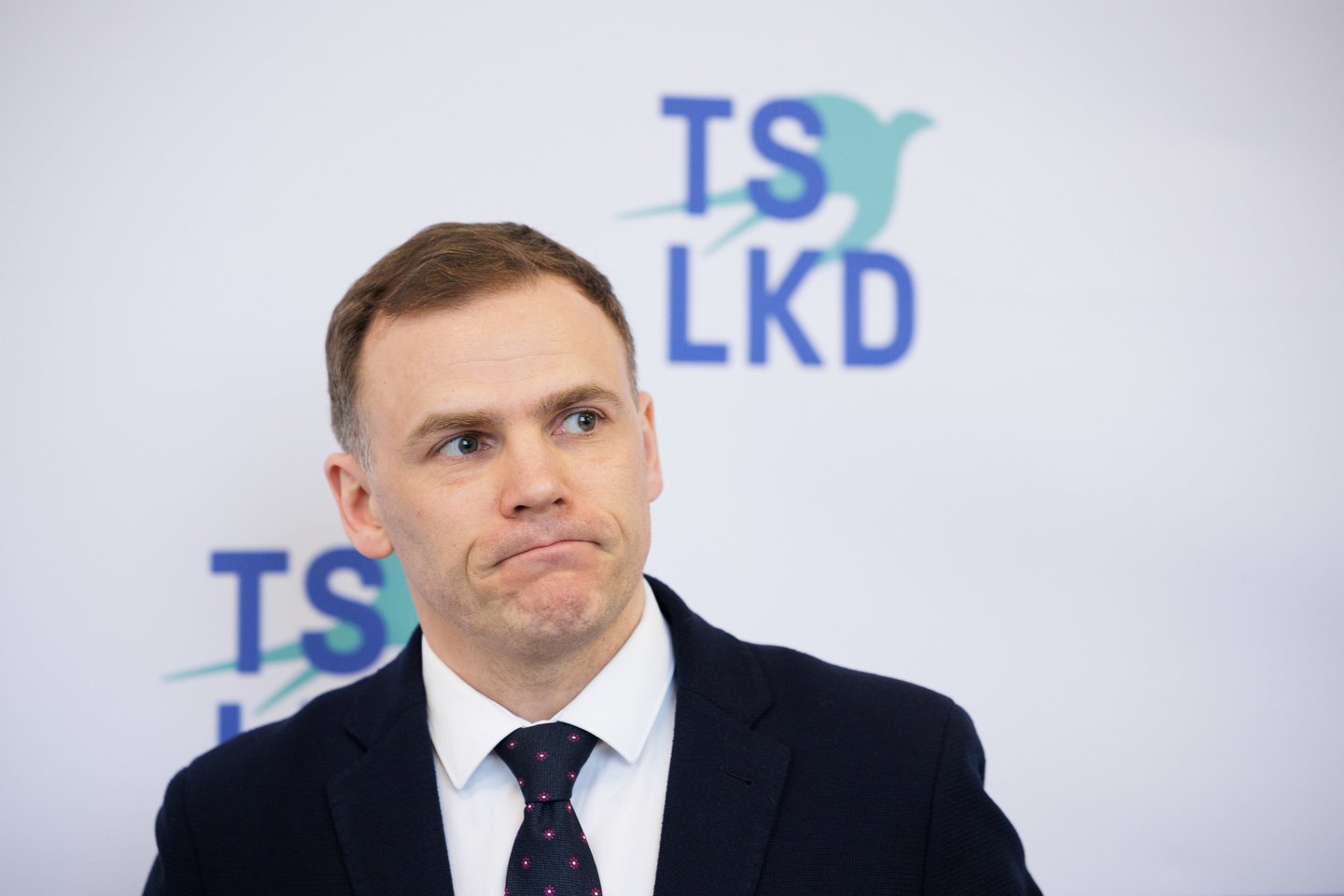
Lithuanian Parliament Votes to Strip Ex-PM Gintaras Paluckas of Legal Immunity in Corruption Probe
VILNIUS — In a landmark decision that underscores growing political pressure over allegations of corruption, the Lithuanian parliament on Wednesday voted overwhelmingly to strip former Prime Minister Gintaras Paluckas of his legal immunity. The move, approved by 93 lawmakers, allows prosecutors to formally investigate Paluckas on charges of illicit enrichment and abuse of office.
The vote, which included support from the ruling Social Democratic Party, marks a significant shift in the political landscape. It follows months of scrutiny over Paluckas’ financial dealings, including the acquisition of assets and large cash deposits that prosecutors say cannot be fully accounted for by his declared income.
“The evidence gathered in the pre-trial investigation provides reasonable grounds to suspect that, by using funds of unknown origin not derived from lawful income, and by acquiring and managing jointly owned assets exceeding 900 minimum monthly wages in value, Gintautas Paluckas may have committed the criminal offense of unlawful enrichment,” the prosecutor’s office stated.
The decision comes as prosecutors have also formally identified Paluckas’ wife, Ilma Paluckė, as a suspect in the case. The investigation centers on transactions totaling over €231,000, with nearly €59,000 of that amount lacking a clear, documented source of income.
Paluckas, who previously served as prime minister and remains a member of parliament, has faced mounting calls to waive his immunity. Earlier this year, he suspended his party membership amid the escalating controversy, signaling a potential acknowledgment of the severity of the allegations.
Political Fallout and Public Scrutiny
The vote to remove Paluckas’ immunity highlights deep divisions within the Social Democratic Party, with some lawmakers breaking ranks to support the measure. Observers note that the decision reflects broader public skepticism toward political leaders accused of financial impropriety, particularly in a country where trust in institutions remains fragile.
Critics have long questioned the timing and transparency of Paluckas’ financial activities, including the operation of his company, “Garnis,” which has come under scrutiny by tax authorities. While an initial review by the State Tax Inspectorate did not uncover violations, the investigation into his personal finances continues to draw intense media and political attention.
What’s Next for Paluckas?
With his legal protections now lifted, Paluckas faces the prospect of formal charges being filed against him. Prosecutors have indicated they will proceed with the case, which could lead to criminal proceedings if sufficient evidence is presented. The outcome of this investigation could have far-reaching implications for Lithuania’s political elite, setting a precedent for accountability in high-profile corruption cases.

For now, Paluckas has not publicly commented on the vote, but his political future hangs in the balance as the investigation unfolds.
Broader Context: A Test for Lithuanian Democracy
The case against Paluckas is being closely watched as a test of Lithuania’s commitment to combating corruption at the highest levels of government. In recent years, the country has faced criticism from international bodies, including the European Commission, for slow progress in addressing systemic corruption and ensuring transparency in public office.
As the probe moves forward, the actions of Lithuanian lawmakers and prosecutors will be scrutinized not only domestically but also by the international community, which sees this case as a potential benchmark for the rule of law in the Baltic region.
Related Developments
In related news, Lithuanian authorities have launched separate investigations into the financial dealings of other high-ranking officials, signaling a broader crackdown on perceived corruption within the political class. Meanwhile, public opinion polls suggest that a majority of Lithuanians support stricter measures to hold their leaders accountable.

For more details on the legal proceedings and political reactions, see:
- Irony and political maneuvering ahead of the immunity vote
- Expert analysis on the split within the Social Democratic Party
- Party leadership denies plans to expel Paluckas from the parliamentary faction
- Parliament votes to lift Paluckas’ immunity amid allegations of illicit enrichment
- Critics argue Paluckas’ income should have been scrutinized years ago
