

Argentina Sees Sharp Rise in Hantavirus Cases: Understanding the Risks and Symptoms
Health authorities in Argentina are monitoring a significant increase in hantavirus infections, with current data indicating a trend that has pushed the country above the typical outbreak threshold. For the 2025-2026 season, the Argentine Ministry of Health has confirmed 101 cases, nearly doubling the 57 cases recorded during the same period last season.

The urgency of the situation was recently highlighted by a tragic outbreak aboard a cruise ship departing from Argentina, which resulted in three deaths. This surge has drawn renewed attention to a disease that often remains overlooked but can be fatal if not addressed.
Environmental Drivers and High-Risk Zones
Experts and government officials suggest that the increase in cases is not coincidental. The Argentine Ministry of Health and other consultants point to a combination of climate change, the expansion of urban developments into wild territories, and general habitat alterations as primary drivers for the virus’s spread.
Hantavirus typically thrives in rural and peri-rural environments characterized by subtropical climates, high humidity, and areas with dense weeds or crops. While these conditions make the virus most common in remote areas, shifting environmental factors are now contributing to cases appearing in regions not historically considered endemic.
Currently, health officials identify four primary geographic risk zones within Argentina:
- Northwest: Salta, Jujuy, and Tucumán.
- Northeast: Misiones, Formosa, and Chaco.
- Center: Buenos Aires, Santa Fe, and Entre Ríos.
- South: Neuquén, Río Negro, and Chubut.
The expansion of these risk zones underscores the ongoing public health challenge of managing zoonotic diseases as human activity encroaches further into wildlife habitats.
What is Hantavirus? Transmission and Varieties
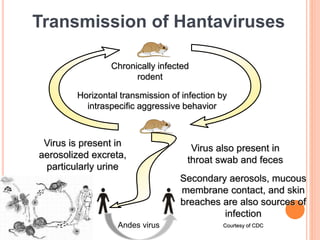
Hantaviruses are a family of viruses transmitted primarily by rodents, such as rats and mice. Humans typically contract the virus through contact with rodent urine, saliva, or droppings. While rare, transmission can also occur through a rodent bite or scratch.
According to the CDC, hantaviruses generally cause two distinct clinical syndromes:
- Hantavirus Pulmonary Syndrome (HPS): Found predominantly in the Western Hemisphere, including the United States. In the U.S., the deer mouse is the most common carrier.
- Hemorrhagic Fever with Renal Syndrome (HFRS): More common in Europe and Asia, though the Seoul virus—a type that causes HFRS—is found worldwide.
Of particular concern in South America is the Andes virus. It is the only known strain of hantavirus capable of spreading from person to person, though this typically occurs only among individuals in close contact with an infected person.
Recognizing the Symptoms
Early detection is critical for improving patient outcomes. Symptoms of Hantavirus Pulmonary Syndrome (HPS) typically emerge one to eight weeks after exposure to an infected rodent.
Early Phase Symptoms: Initial signs often include fever, fatigue, and muscle aches, particularly in the thighs, hips, back, and shoulders. Approximately half of all patients also experience chills, dizziness, headaches, and abdominal issues such as nausea, vomiting, diarrhea, and pain.
Late Phase Symptoms: Between four and ten days after the initial symptoms appear, the disease progresses to a more severe stage. This phase is characterized by coughing and significant shortness of breath as the virus affects the lungs.
Because these symptoms can mirror other respiratory illnesses in their early stages, understanding the risk of exposure—especially for those visiting rural or subtropical regions—is essential for timely medical intervention.
