
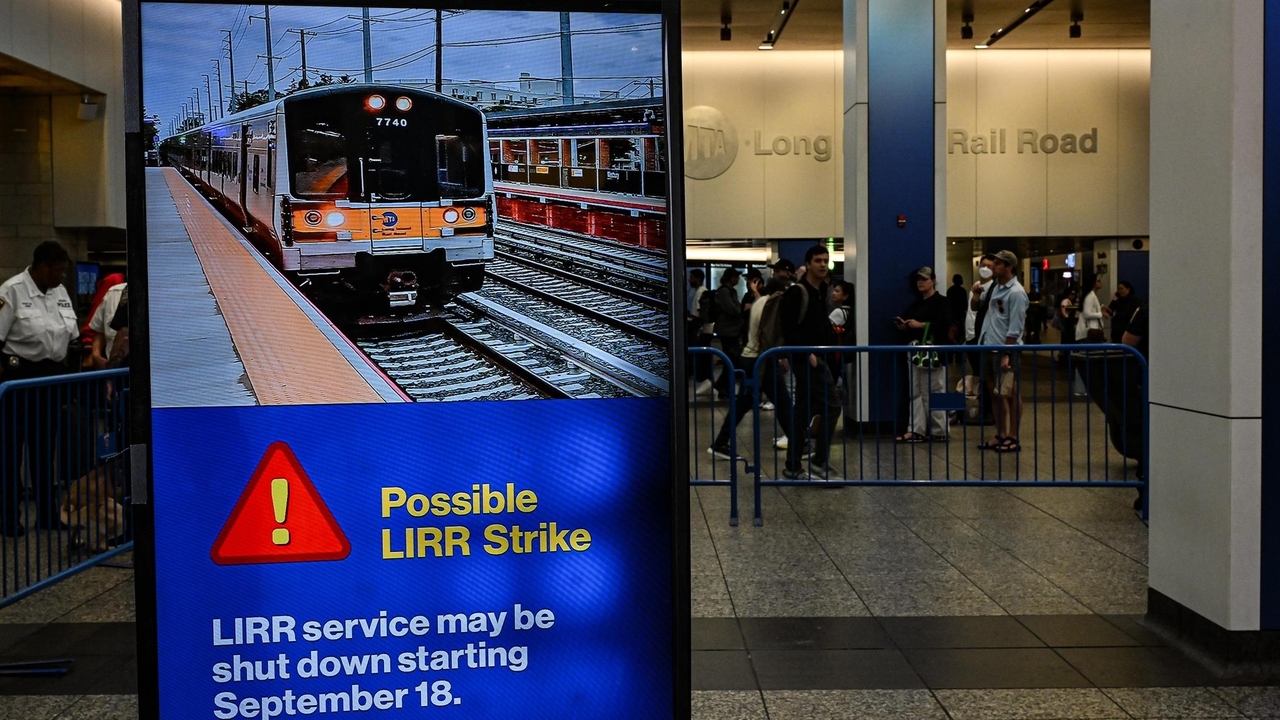
The Long Island Rail Road (LIRR) strike began Saturday, May 16, 2026, shutting down service at New York’s Penn Station as workers picketed over labor disputes, disrupting commutes for hundreds of thousands of daily riders.
LIRR Strike Halts Service, Tests Regional Economy
The first day of the Long Island Rail Road strike has brought chaos to one of the busiest transit hubs in the U.S., with workers walking picket lines outside Penn Station while service remains suspended. The strike, which began at midnight Saturday, follows months of stalled negotiations between the railroad’s unionized employees and management over wages, benefits, and working conditions. With no immediate resolution in sight, the disruption threatens to strain commuter patience and regional economic activity.
Images from the Associated Press show picketers holding signs and walking along closed tracks, while commuters face warnings of suspended service. The strike affects an estimated 350,000 daily riders, many of whom rely on LIRR for travel between New York City and Long Island. The economic ripple effect is already being felt, with businesses near Penn Station reporting reduced foot traffic and potential losses.
According to the MTA’s May 15, 2026, operational update, the strike was authorized after the Transport Workers Union Local 100 (TWU Local 100) voted 92% in favor of strike action on May 14, following the expiration of the previous contract on April 30, 2026. The MTA had previously offered a 3% wage increase over three years, while the union had sought a 12% increase plus healthcare cost adjustments. The Federal Transit Administration (FTA) confirmed in a May 10, 2026, statement that it had been monitoring the negotiations but would not intervene in labor disputes under the Railway Labor Act.
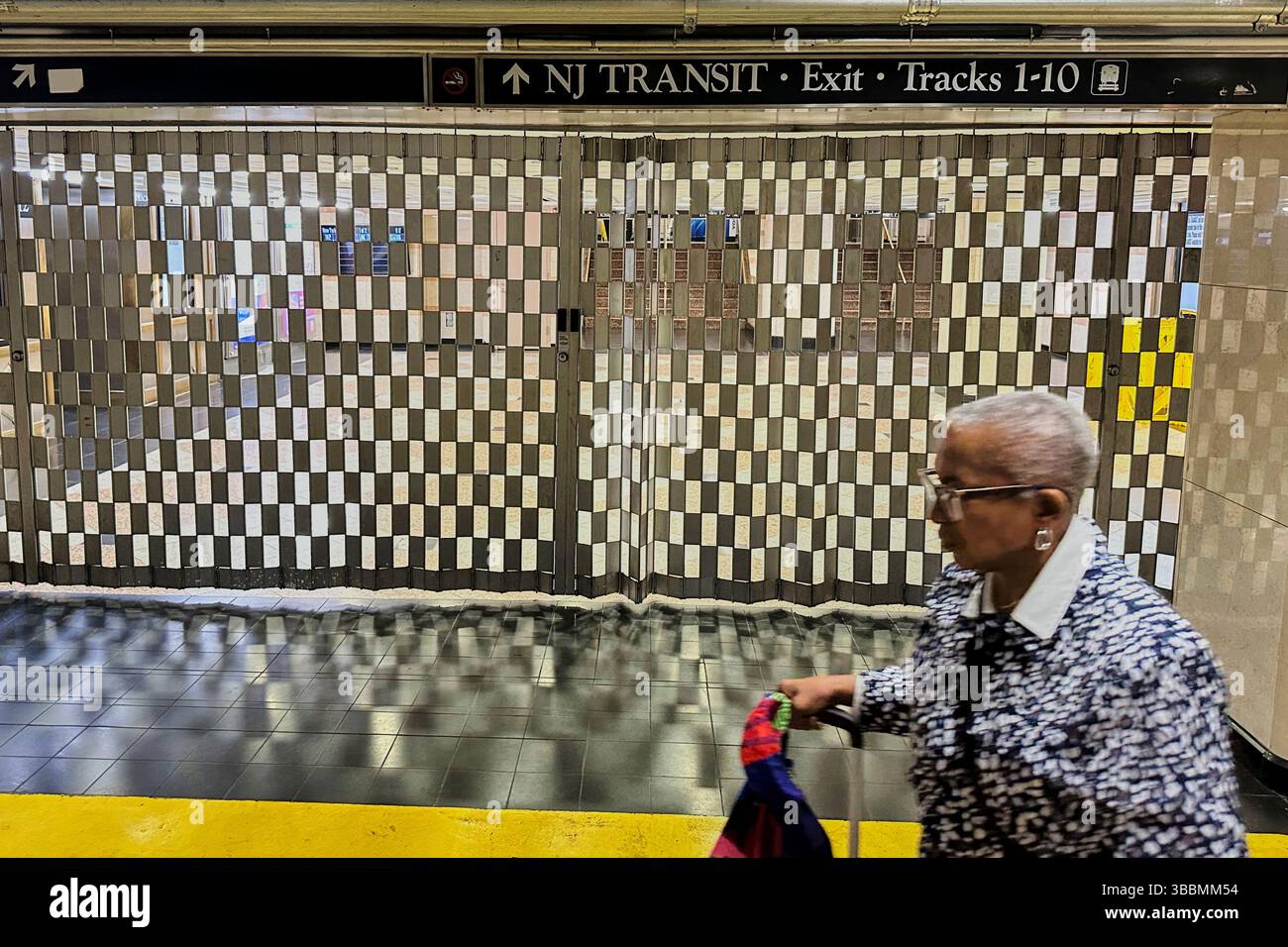
Penn Station, which handles over 600,000 daily commuters across Amtrak, LIRR, and NJ Transit, has seen ticket booths closed and service signs posted, leaving commuters scrambling for alternatives. The MTA has urged riders to explore bus options, but capacity constraints on routes like the M15 and M20 have left many frustrated. A May 16, 2026, statement from the MTA noted that “emergency bus service has been expanded, but it cannot fully replace rail capacity.”
Labor Dispute: Wages, Benefits, and the Path Forward
The strike stems from a breakdown in contract negotiations between TWU Local 100 and the LIRR, operated by the Metropolitan Transportation Authority (MTA). Workers have cited concerns over wage stagnation—average LIRR wages have risen just 1.8% annually since 2020, according to MTA payroll data from 2025—and escalating healthcare costs, which now account for 18% of employee compensation, up from 12% in 2022. The union had proposed a 12% wage increase over three years, along with a $500 monthly stipend for healthcare premiums, but the MTA countered with a 3% raise and no healthcare adjustments.
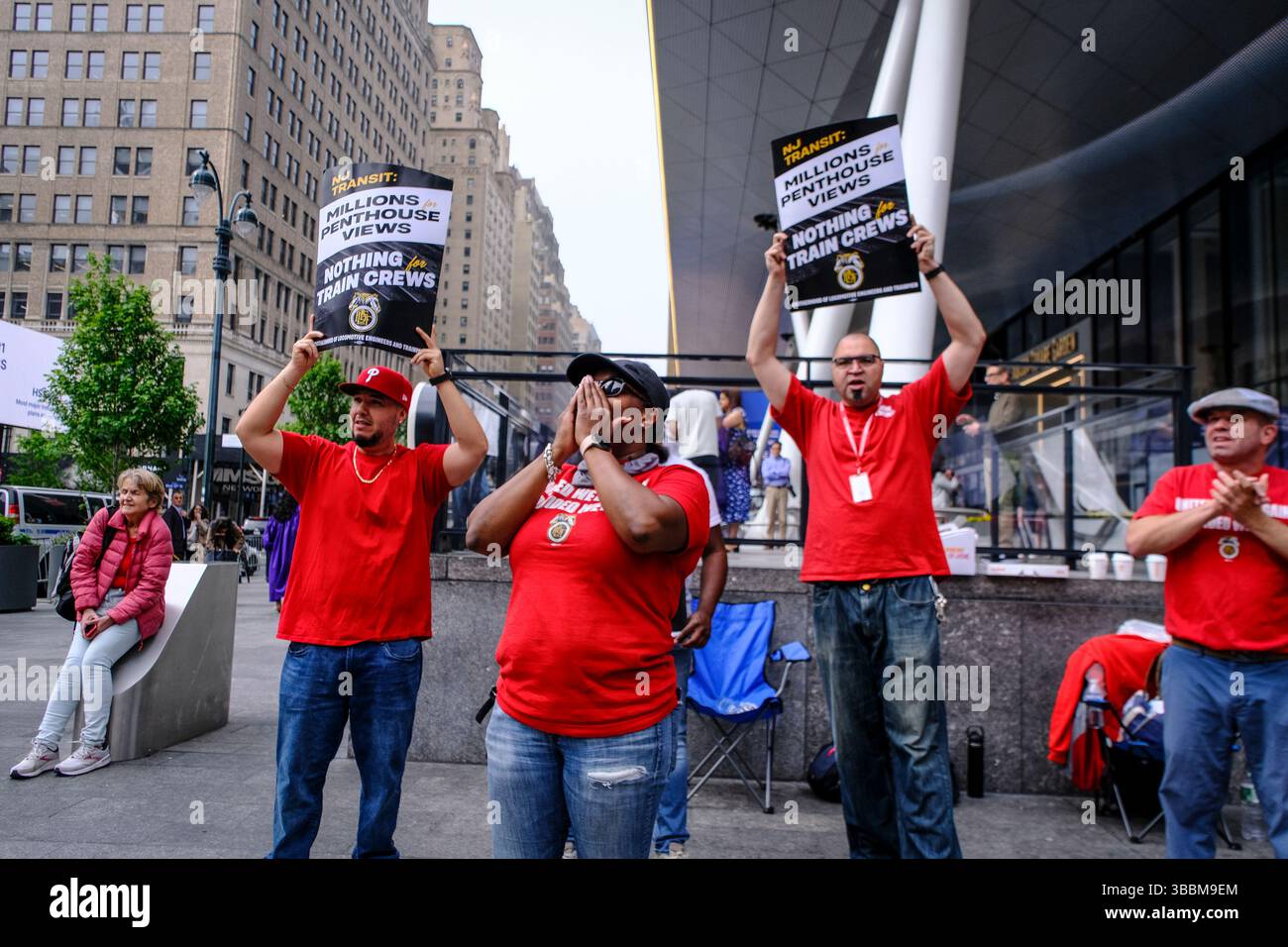
According to the AP, the strike was called after mediation efforts failed to bridge the gap. The MTA has not yet commented on potential next steps, but officials have indicated a willingness to return to the negotiating table. MTA Chairman and CEO Janno Lieber, in a May 15 internal memo obtained by the *New York Post*, stated, “We remain committed to a fair resolution but must also consider the financial constraints facing the MTA.” The MTA’s 2026 budget, approved in March, includes a $1.2 billion shortfall due to declining federal subsidies and rising operational costs.
TWU Local 100 President John Samuelsen, in a May 16 press conference, emphasized that “this strike is about survival, not just wages. Our members are exhausted, and the MTA must recognize that.” The union has called for a 7% wage increase in the first year alone, citing inflation data from the Bureau of Labor Statistics showing a 3.5% rise in consumer prices over the past year. The MTA’s last major labor dispute in 2022, which led to a 10-day strike, resulted in a 5% wage increase over two years.
Economic and Commuter Fallout
The immediate impact of the strike is being felt in real time. Penn Station, a critical transit node, has seen ticket booths closed and service signs posted, leaving commuters scrambling for alternatives. The MTA has urged riders to explore bus options, but capacity constraints and longer travel times have left many frustrated. A May 16 survey by the Regional Plan Association found that 68% of LIRR commuters reported “significant disruptions” to their daily routines, with 42% considering alternative long-term commuting arrangements, such as remote work or relocating.
For businesses in the area, the disruption is a double-edged sword. While some retailers near Penn Station, such as Duane Reade and Starbucks, have reported a short-term boost from stranded commuters, the broader economic impact could be significant. The LIRR strike comes at a time when New York’s economy is still recovering from post-pandemic challenges, and prolonged disruptions could further test resilience. The New York City Comptroller’s office, in a May 15 briefing, estimated that each day of the strike could cost the regional economy between $50 million and $70 million in lost productivity and reduced consumer spending.
Stock market reactions have been muted so far, with no major shifts in MTA-related stocks. However, long-term investors may be watching closely, as prolonged labor disputes can signal deeper operational challenges for transit authorities. The MTA’s debt rating, currently at BBB- from S&P Global, has been under pressure due to financial strain, and a prolonged strike could exacerbate concerns. Moody’s Investors Service, in a May 10 report, noted that “labor stability is a key credit factor for the MTA,” and any extended disruption could lead to a downgrade.
What Comes Next?
With no immediate end to the strike in sight, the focus now shifts to whether negotiations can resume before the disruption becomes untenable. The MTA has historically avoided prolonged strikes, but the stakes this time are higher given the financial pressures on both sides. MTA Board Member Anthony Colasanto, in a May 16 interview with *The Wall Street Journal*, stated, “We need to find a solution quickly, but we also need to ensure that any agreement is sustainable for the MTA’s long-term viability.”
For commuters, the uncertainty is palpable. The MTA has not ruled out emergency measures, such as increased bus service or temporary track repairs, but these would likely come at a significant cost. The MTA’s 2026 capital budget, which includes $1.5 billion for track maintenance, could be diverted to mitigate the strike’s impact. Meanwhile, workers remain steadfast, with picket lines expected to continue indefinitely until a resolution is reached. TWU Local 100 has stated that it will not accept a return-to-work order without a binding arbitration agreement.
One thing is clear: the LIRR strike is more than just a labor dispute—it’s a test of New York’s ability to manage critical infrastructure under pressure. The outcome will have ripple effects far beyond the picket lines, shaping the future of commuting and economic stability in the region. The last major LIRR strike in 2010 lasted 13 days and cost the economy an estimated $1.1 billion, according to a study by the Manhattan Institute. If this strike follows a similar trajectory, the economic toll could be even greater given current inflationary pressures.
For now, the only certainty is that the strike continues, and the clock is ticking for both sides to find common ground. The MTA has scheduled an emergency board meeting for May 19, 2026, to discuss potential concessions, while TWU Local 100 has called for a rally at Union Square on May 20 to pressure lawmakers for intervention.
