

The Law and Justice (PiS) party, currently serving as a primary opposition force in Poland, faces ongoing internal scrutiny regarding its long-term political cohesion as of May 16, 2026. Analysts continue to monitor potential shifts in party unity, though official leadership remains focused on maintaining its current organizational structure and legislative strategy.
Internal Dynamics of the Law and Justice Party
The political status of Law and Justice (PiS) remains a focal point for observers in Warsaw as the party navigates the challenges of its current opposition mandate. While speculation regarding internal factions or potential splinter groups frequently emerges in media commentary, the party’s administrative and parliamentary operations have remained tethered to its established leadership.
The question of whether internal divisions might lead to a formal secession or a restructuring of the political right in Poland is a recurring subject of debate. However, as of May 2026, there is no verified evidence of a formal move toward a split or the creation of an independent breakaway entity from within the party’s parliamentary caucus. Party officials have consistently maintained that internal debate is a component of their deliberative process, rather than a precursor to organizational fracture. Within the Sejm, the party caucus continues to operate under its established hierarchy, with leadership maintaining control over committee assignments and legislative agendas.
Opposition Strategy and Organizational Stability
Maintaining a unified front is a central objective for the party’s leadership, which continues to prioritize its role as a counterweight to the governing coalition. The party’s influence is anchored in its established voter base and its network of regional structures across Poland.
Recent political activity suggests that the leadership is prioritizing the consolidation of its core message. Observers note that while policy disagreements regarding the party’s future direction are common within any large political organization, these have not translated into public declarations of secession or the formation of competing factions. The party maintains its presence in the Sejm, where it continues to conduct legislative work and opposition oversight according to its standard procedural practices. Legislative records from the first half of 2026 show that the PiS parliamentary club has maintained high levels of voting discipline, a key indicator that the party’s central command retains authority over its representatives.
For more on this story, see Melléthei-Barna Steps Down as Hungarian Justice Minister Nominee: Shock Government Move.
The party’s regional offices, which function as the bedrock of its grassroots mobilization, have also reported no significant departures of key personnel or local branch leaders. These regional structures are essential for the party’s electoral strategy, and their continued alignment with Warsaw remains a primary indicator of organizational stability. Despite external pressures and the challenges inherent in being the primary opposition, the party has not faced a formal revolt or a resignation of high-ranking officials that would signal a systemic failure of its internal governance.
Analytical Perspectives on Political Shifts
Political analysts in Poland often examine the durability of the current party system, weighing the potential for realignment against the benefits of institutional stability. The discourse surrounding a potential secession often centers on the tension between ideological purism and the pragmatic requirements of maintaining electoral relevance.
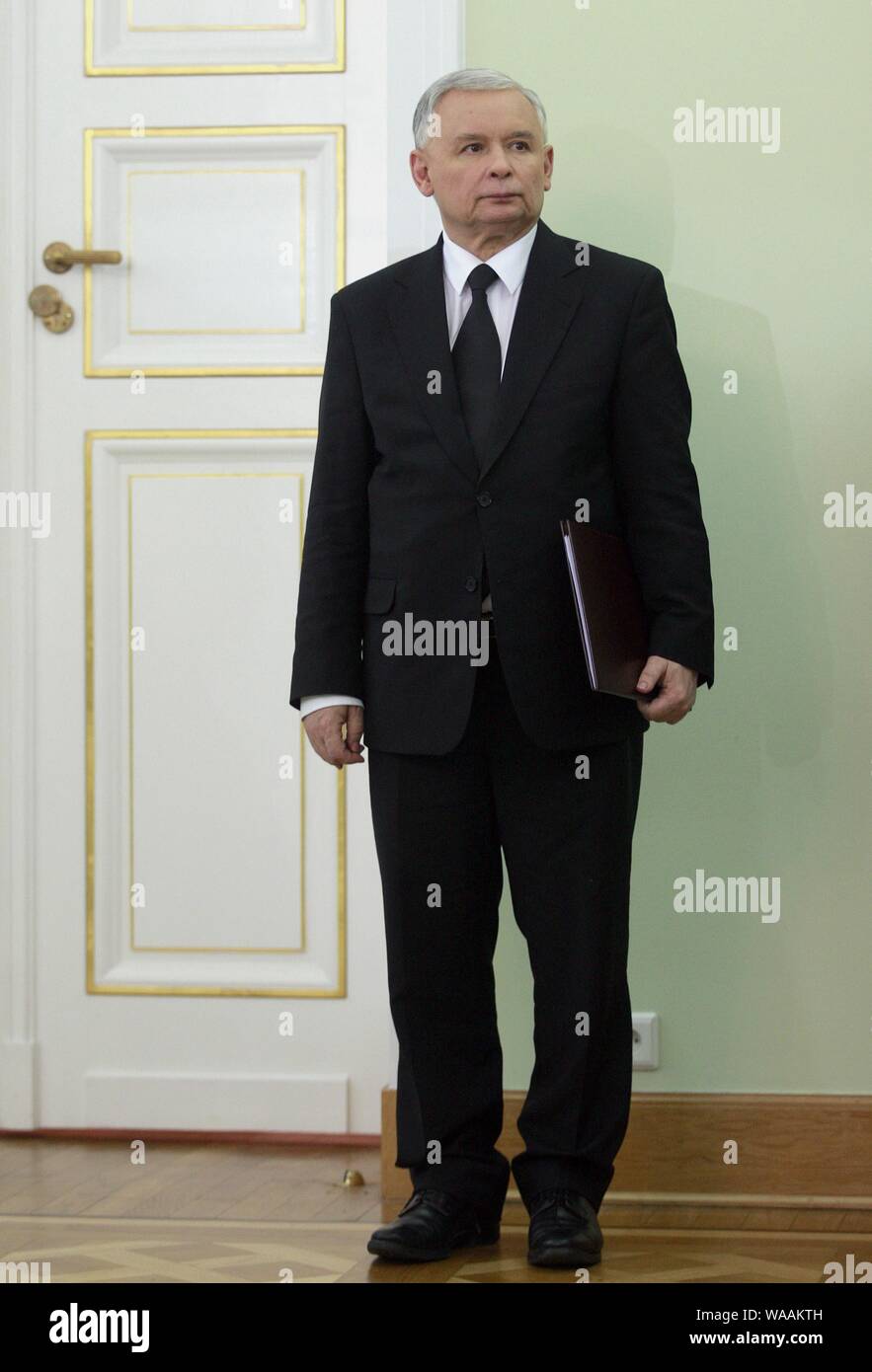
Despite the persistent nature of these questions, the party’s internal communications and public-facing activity indicate a continued commitment to its existing brand. Whether the party can sustain this cohesion in the long term remains a matter of conjecture, but currently, the organizational integrity of Law and Justice remains intact. The focus for the coming months will likely remain on the party’s ability to influence national policy and prepare for future electoral cycles without undergoing significant structural changes.
The absence of a confirmed secessionist movement underscores the difficulty of predicting shifts within established political parties. Until there is a formal, verified announcement or a measurable defection from within the ranks, the narrative of a split remains speculative rather than a reflection of current institutional reality. Political scientists tracking the Polish legislative landscape note that while the opposition environment is fluid, the structural barriers to forming a new political party—including the need for significant financial backing, infrastructure, and nationwide recognition—serve as a stabilizing force for existing major parties like PiS.
Furthermore, the party’s ability to navigate the 2026 political calendar will serve as a test of its resilience. As the party continues its legislative scrutiny of the government, it remains positioned as the main alternative for voters who identify with its platform. The institutional memory within the party, coupled with the experience of its veteran parliamentarians, provides a framework for addressing internal disagreements through internal party channels rather than through public or disruptive exits. As of mid-May 2026, the party continues to function as a cohesive bloc within the Polish political system, with no verified indicators that its internal structure is trending toward a formal fragmentation.
