

As of May 21, 2026, the Democratic Republic of Congo’s (DRC) Ebola treatment centers in North Kivu and Ituri provinces remain critically overburdened, with hospitals reporting full capacity
and delayed patient transfers due to logistical breakdowns, according to the World Health Organization’s latest emergency bulletin. The current outbreak, declared in January 2026, has overwhelmed health infrastructure in Beni and Butembo, forcing officials to reroute suspected cases to makeshift clinics.
Outbreak Strain Exceeds 2024 Response Capacity
The DRC’s health ministry and WHO confirm the current Ebola epidemic—now its 12th since 1976—has surpassed the response capacity established during the 2024 flare-up in Equateur Province. Unlike previous outbreaks, this iteration has spread across two high-population-density regions, North Kivu and Ituri, where security challenges and distrust of vaccination campaigns have compounded the crisis. As of May 15, 2026, the WHO’s Africa Regional Office reported hundreds of suspected cases
awaiting laboratory confirmation, with mortality rates nearing 60% in hotspot zones.
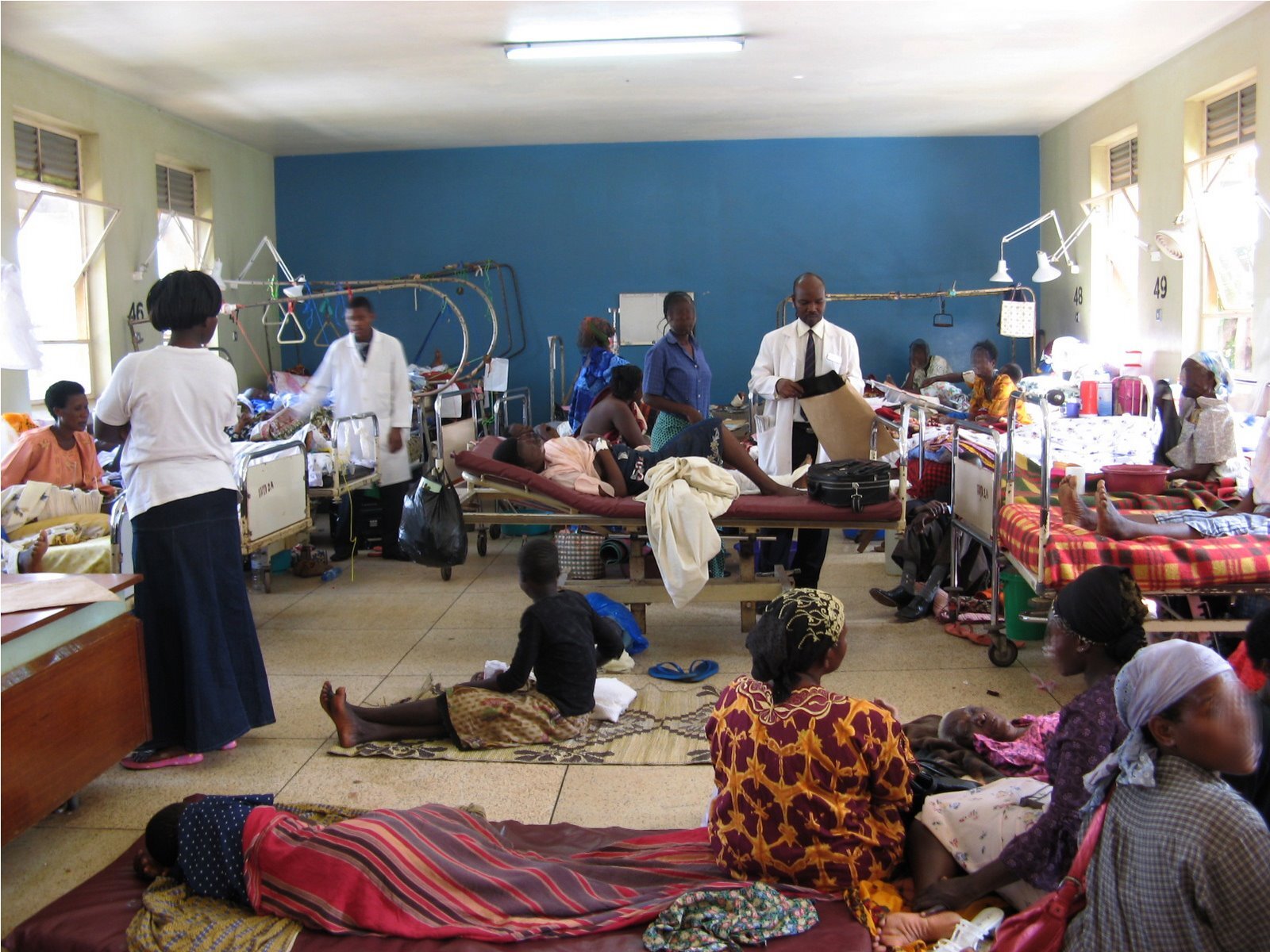
Beni’s General Reference Hospital, the primary Ebola treatment center, has suspended elective surgeries to accommodate isolation wards. A May 18 statement from the DRC’s Ministry of Health attributed the strain to a perfect storm of transmission chains, underfunded surveillance, and community resistance to medical interventions
. The ministry did not provide specific patient counts but cited dozens of deaths
in the past week alone.
Logistical Collapse: Delays and Diversion
The WHO’s emergency operations center in Kinshasa revealed that 70% of ambulances in North Kivu are non-operational due to fuel shortages and roadblocks by armed groups. Patients with hemorrhagic fever symptoms—now a catch-all term for Ebola and Marburg suspicions—are being redirected to temporary triage sites in Butembo, where WHO teams report overcrowded conditions with no dedicated isolation units
.
Dr. Jean-Pierre Muyembe, director of the DRC’s National Institute for Biomedical Research, warned in a May 20 briefing that the delay in confirming cases through PCR testing—currently averaging 72 hours—is accelerating silent transmission
. The institute’s lab in Goma has prioritized samples from Beni, leaving other provinces with no testing capacity. Meanwhile, the UN’s Office for the Coordination of Humanitarian Affairs (OCHA) confirmed that 15% of health workers in affected zones have refused Ebola vaccination due to rumors of sterilization effects.
International Response: Funding Gaps and Security Risks
Despite the crisis, the WHO’s Ebola response fund remains $42 million short of its $120 million target, according to a May 19 funding appeal. The European Commission pledged €10 million on May 15, but delivery of medical supplies—including experimental vaccines like mAb114—has been hindered by attacks on convoys near the Uganda border. The DRC’s health ministry has appealed for immediate airlifts of protective gear
, noting that stockpiles in Beni lasted only until May 22.
Security remains the dominant constraint. The UN’s Group of Experts on the DRC reported that at least three aid workers were abducted in Ituri last week, forcing Médecins Sans Frontières (MSF) to suspend mobile clinics in Drodro. MSF’s country director, Dr. Joanne Liu, stated in a May 17 interview that the humanitarian space is shrinking faster than our ability to expand
. The organization has scaled back vaccination teams to high-risk zones only
, prioritizing frontline health workers.
What Comes Next: Uncertainty and Containment Efforts
The DRC’s health ministry has activated a containment perimeter
around Beni, restricting movement in and out of the city. However, local leaders in Butembo have rejected curfews, citing economic hardship. The WHO’s regional director for Africa, Dr. Matshidiso Moeti, emphasized during a May 20 press conference that this outbreak will not be contained by medical measures alone—community engagement and security cooperation are equally critical
.
Looking ahead, the DRC’s government and WHO are pushing for a June summit with regional leaders, including Rwanda and Uganda, to coordinate cross-border surveillance. But with Ebola’s incubation period of up to 21 days, experts warn that the window for containment is closing. As of May 21, no new cases have been officially confirmed outside North Kivu or Ituri, but the WHO’s risk assessment remains at very high
for regional spread.
The next critical test will be the arrival of a second shipment of mAb114 vaccines, expected by May 25. If delivered, the DRC will begin a ring-vaccination campaign in Beni—its first use of the monoclonal antibody treatment in this outbreak. Whether it arrives in time to stem the tide remains uncertain.
