

The race to Mars just got a little safer. New research from Stantec, published in April, has cracked a critical puzzle: how to keep medications viable for years in deep space, where resupply isn’t an option. The findings, published in Critical Reviews in Toxicology, mark the first framework for assessing pharmaceutical degradation in spaceflight conditions—work that could mean the difference between mission success and medical disaster for astronauts.
Why Medication Degradation Could Derail Mars Missions
The stakes couldn’t be higher. When astronauts finally land on Mars, they’ll be millions of miles from Earth, with no possibility of emergency resupply. Medications—antibiotics, pain relievers, neurological drugs—must remain fully effective for years, yet spaceflight conditions accelerate degradation. Radiation, elevated carbon dioxide levels, and repackaging for weight constraints all break down drugs faster than on Earth. Until now, no systematic way existed to predict which medications would fail and when. Stantec’s framework changes that.“Human missions to Mars will require resilient systems that support crew health far from Earth. Our work with NASA is helping us better understand how medicines perform over time in space.”
The Framework: Five Steps to Spaceflight Pharmaceutical Safety
Stantec’s approach isn’t just theoretical. It’s built on multiple lines of evidence—published studies, terrestrial data, and advanced computational modeling—because direct spaceflight data is scarce. The first paper outlines the framework itself, while the second demonstrates its application to real medications under consideration for exploration missions. Here’s how it works:- Mission Use Scenarios: Evaluating how drugs will be deployed—dose, frequency, environmental exposure.
- Degradation Products: Identifying potential breakdown compounds that could form over time.
- Health Hazards: Assessing whether those byproducts pose risks to astronauts.
- Exposure Estimation: Quantifying how much astronauts might be exposed to degraded compounds.
- Risk Characterization: Ranking overall risk to prioritize which medications need extra scrutiny.
The Bigger Problem: Deep Space Medicine Without Earth’s Safety Net
The challenges Stantec is addressing extend far beyond medication stability. As The Conversation highlights, deep space introduces a cascade of medical risks that don’t exist in low Earth orbit. Radiation exposure becomes far more dangerous—astronauts on Mars could face higher risks of cancer, cardiovascular disease, and cognitive impairment. The Artemis II mission, which returned humans to lunar orbit for the first time since 1972, offered a glimpse of these challenges in confined spaces. But the moon is a training ground; Mars is the real test.What This Means for NASA’s Mars Plans
NASA’s Artemis program is laying the groundwork for Mars, but the agency has been open about the gaps in deep-space medical capability. The new research from Stantec could directly inform which drugs make the cut for long-duration missions. It also raises questions about how NASA will adapt its medical protocols. Will astronauts carry a broader range of medications with shorter shelf lives? Will repackaging become standard to save weight? And how will the agency balance risk against the need for comprehensive medical coverage?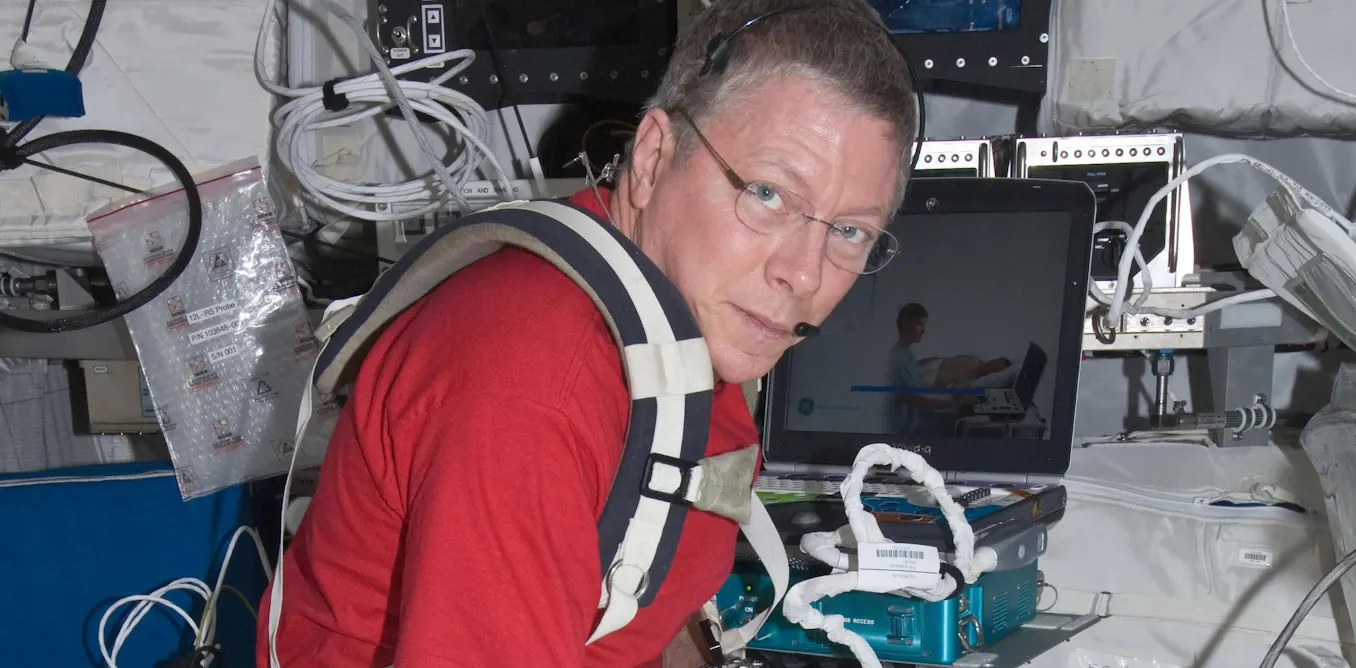
The Road Ahead: From Framework to Flight
Stantec’s research is a critical step, but it’s not the final answer. The next phase will involve real-world testing—subjecting medications to simulated space conditions and validating the framework’s predictions. NASA has already begun exploring solutions like producing medical-grade IV fluids from spacecraft water supplies, but broader drug stability remains untested at scale. What’s clear is that the window for preparing is closing. Artemis III, targeting a 2026 lunar landing, is the first step toward Mars. By 2030, NASA aims to send humans to the red planet—but only if the medical challenges are solved first. Stantec’s work provides a toolkit. Now, the question is whether NASA and its partners will act on it in time. One thing is certain: the race to Mars isn’t just about rockets and rovers. It’s about ensuring that when astronauts land, they can survive—and thrive—millions of miles from home.For deeper technical details on Stantec’s research methodology, read the full papers in Critical Reviews in Toxicology.
To understand the broader medical challenges of deep space, explore The Conversation’s analysis of Artemis II and future lunar missions here.
