
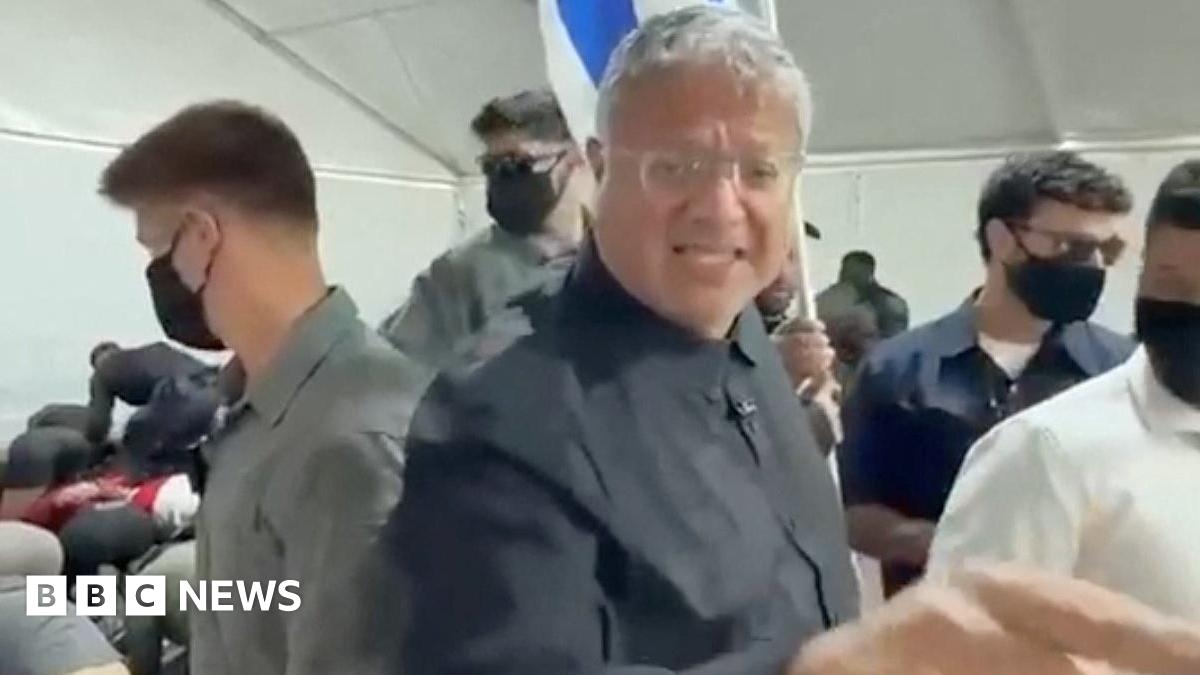
International Outcry Over Treatment of Detainees

The video released by Itamar Ben-Gvir, the Israeli national security minister, has triggered a swift and furious response from governments across the globe. The footage depicts dozens of men and women with their hands zip-tied behind their backs, kneeling in rows with their foreheads to the ground inside a makeshift detention facility at Ashdod port. In the video, Ben-Gvir is seen waving an Israeli flag and taunting the detainees, at one point shouting, “The people of Israel live” in the face of a bound man.
The diplomatic fallout was immediate. The United Kingdom’s Foreign Secretary, Yvette Cooper, described the footage as showing “totally disgraceful scenes” and confirmed she had summoned the Israeli ambassador to demand an “urgent explanation,” according to the BBC. Similar condemnation emerged from the European Council, where President Antonio Costa stated he was “appalled by the treatment of flotilla members,” while Italy’s Prime Minister Giorgia Meloni labeled the images “unacceptable.”
Even among Israel’s closest allies, the reaction was severe. Mike Huckabee, the US ambassador to Israel, publicly criticized Ben-Gvir’s behavior as “despicable,” stating that the minister had “betrayed the dignity of his nation,” as reported by The Guardian.
Confrontation at Sea and Flotilla Interception
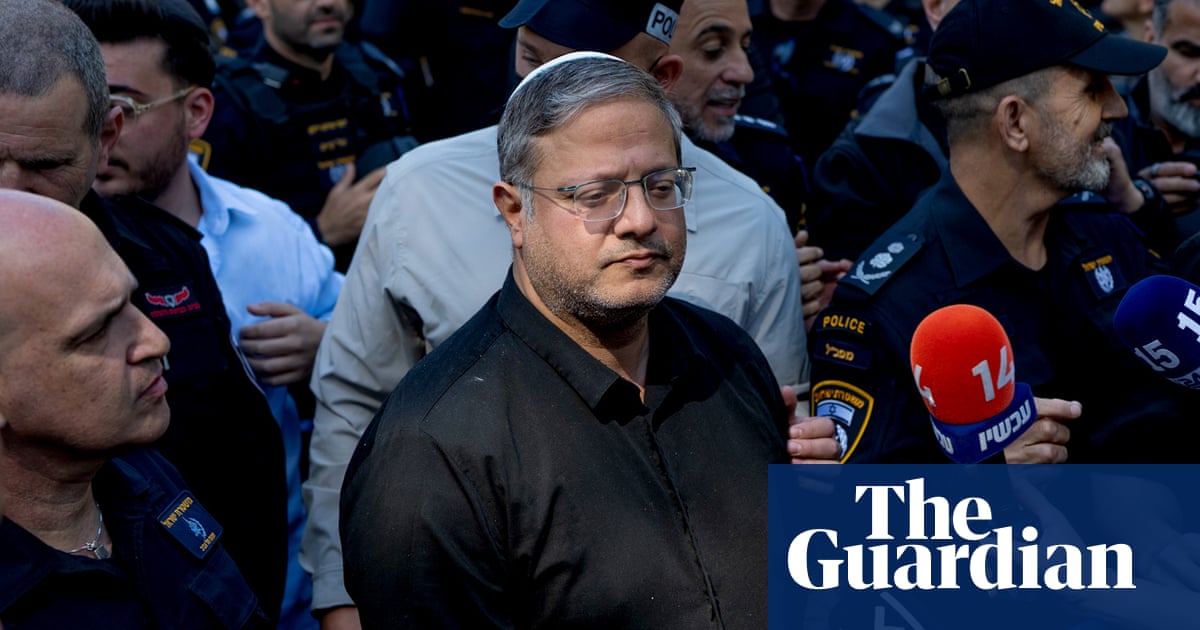
The confrontation began earlier this week when armed Israeli naval commandos intercepted more than 50 boats belonging to the Global Sumud Flotilla (GSF) approximately 250 nautical miles from the Gaza coast. Organizers of the flotilla, which included 430 people from over 40 countries, accused Israeli forces of “illegal, high-seas aggression,” alleging that commandos opened fire, used water cannons, and intentionally rammed vessels.
Israel maintained that the flotilla was a “PR stunt at the service of Hamas” and insisted it would “not permit any breach of the lawful naval blockade on Gaza.” The Israeli foreign ministry denied the use of live ammunition during the operation. Following the interceptions, the detainees were transported to Ashdod port. The rights group Adalah, which is providing legal counsel to the activists, reported that three people required hospitalization due to injuries sustained during the encounter, while others suffered from suspected broken ribs and breathing difficulties.
“The legal team will challenge the legality of these detentions and demand the immediate release of all flotilla participants,” Adalah stated, noting that the activists were being held entirely against their will, according to BBC coverage of the event.
Deportation Orders and Internal Political Friction
By Thursday, the situation had shifted toward the deportation of the remaining activists. Prime Minister Benjamin Netanyahu reportedly instructed that the detainees be deported “as soon as possible.” In a move that analysts suggest reflects an attempt to distance the government from the optics of the minister’s conduct, Netanyahu rebuked Ben-Gvir, asserting that the treatment of the activists was “not in line with Israel’s values and norms,” as noted by The Independent.
Observers point to an underlying friction within the Israeli government regarding the handling of the flotilla. While the US Treasury had previously sanctioned several flotilla organizers, describing them as “pro-terror,” the Biden administration’s stance remains complex. As reported by Al Jazeera, critics argue that the US government’s condemnation of Ben-Gvir is complicated by its own recent sanctions against the organizers of the aid mission, highlighting a perceived inconsistency in how Washington approaches freedom of navigation and the treatment of activists.
Strategic Motivations and Ongoing Scrutiny

Michael Omer-Man, the Israel-Palestine director at the DAWN advocacy group, suggested that the outrage from other Israeli officials might be driven more by public relations concerns than humanitarian ones. “I do believe that they’re more focused on the public relations side of it,” Omer-Man told Al Jazeera, “both with regards to the international community… and because it’s election season [in Israel] and they’re trying to distinguish themselves as the more stately, less radical actors.”
As the deportation process continues at a civilian airport near Eilat, the incident leaves the Israeli government facing renewed scrutiny from its Western allies and internal pressure to manage the influence of its far-right coalition members.
