
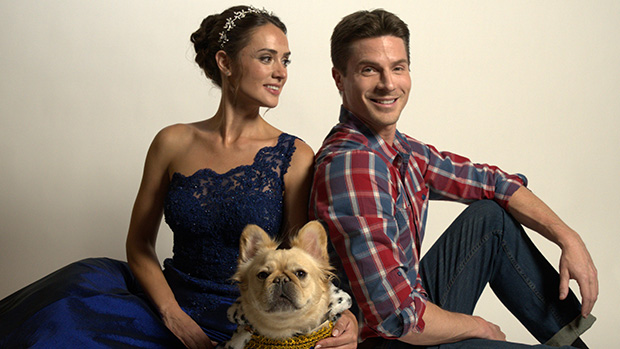
LA-based Nicely Entertainment has partnered with Canyon Productions to launch a dual-format romance film, A Secret Royal Romance, marking its entry into the vertical video market. The project, which streams on both traditional and shortform platforms, reflects evolving viewing habits and a “fresh production approach” as highlighted by Nicely CEO Vanessa Shapiro and Canyon CEO Shawn Boskie. The film, shot in Oklahoma, stars Alexandra Harris and Roberta Sparta and follows a princess living undercover in a small town. Source 1
The Word “Nicely” and Its Literary Echoes
The term “nicely” has long been associated with precision and grace, as defined by Merriam-Webster and the Cambridge Dictionary. While the word’s literary usage—such as “How nicely Turovtsin laughs!”—appears in works like The Great Santini, its modern application in entertainment reflects a shift toward adaptability. The film’s dual-format strategy mirrors this duality, blending traditional storytelling with mobile-friendly vertical content. Source 2 Source 3

Creative Adaptation and Industry Trends
The production’s structure—distinct versions for 16:9 and 9:16 formats—underscores a broader industry move to maximize IP value. Shapiro emphasized that “projects that can live across both traditional and vertical platforms are becoming increasingly important,” while Boskie described the model as a “fresh production approach.” This aligns with recent reports of studios experimenting with hybrid formats to cater to fragmented audience attention spans. Source 1
Quotations and Cultural Context
Phrases like “Greeted with grace, the residence welcomes you with gated tree-lined canopy entry set back nicely from the street” (MarketWatch, May 18, 2026) and “Set out before it gets hot, and when you are going, walk nicely and quietly” (from The Great Santini) illustrate the word’s versatility. These examples, though unrelated to the film, highlight how “nicely” has permeated both everyday language and literature. Source 4 <a The rise of hybrid formats indicates a growing recognition that audiences are increasingly fragmented, prompting studios to adopt flexible approaches to storytelling that better cater to the demands of today's viewers.
