
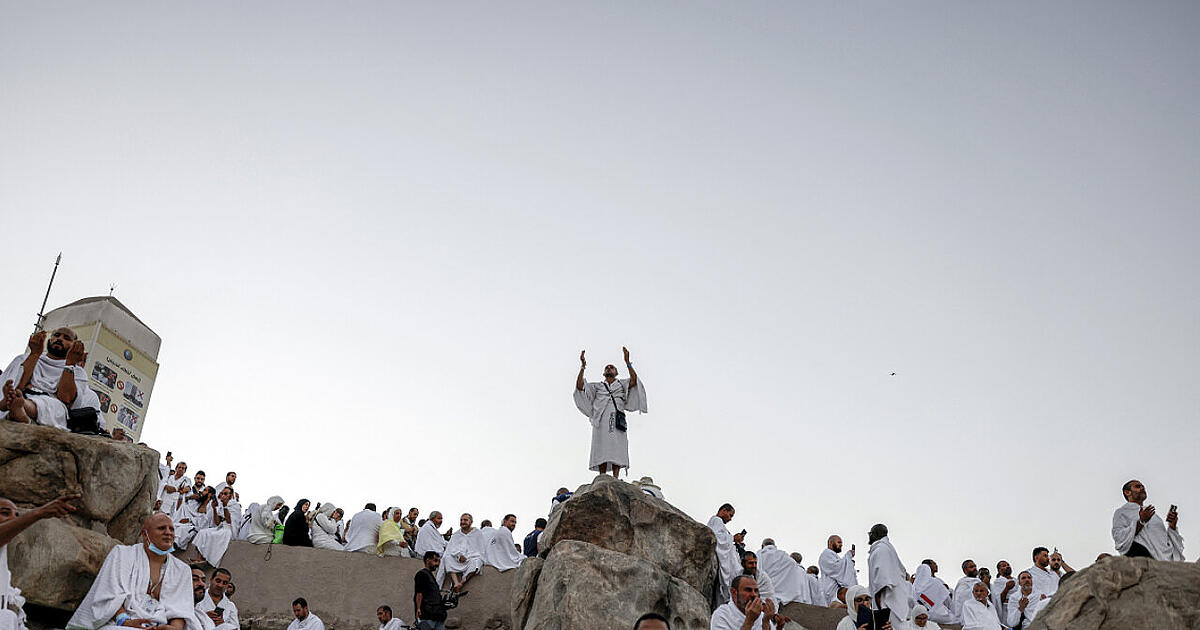
Over 1.5 million Muslims gathered on Saudi Arabia’s Mount Arafat on Tuesday, May 26, 2026, to perform the central rites of the Hajj pilgrimage amid escalating regional tensions and extreme heat, according to reports from multiple outlets. The event, which coincided with ongoing hostilities in the Iran-Kurdish conflict, saw a significant drop in Iranian pilgrims due to geopolitical tensions and logistical challenges, while Saudi authorities emphasized security measures and weather precautions.
Geopolitical Tensions and Pilgrim Numbers
The Hajj, one of Islam’s five pillars, unfolded against a backdrop of volatile regional dynamics. The Iran-Kurdish conflict, which has seen repeated cross-border attacks, cast a shadow over the pilgrimage, with Saudi Arabia deploying air defenses to protect religious sites. Despite these challenges, more than 1.5 million pilgrims from around the world participated, according to news.google.com and Der Standard. However, the number of Iranian pilgrims dropped sharply, with only around 30,000 attending—far below the expected 86,000—due to “Lage in Kriegszeiten,” or the “situation in wartime,” as reported by religion.ORF.at.
Saudi Arabia’s decision to limit Iran’s quota to 30,000 pilgrims, down from nearly 90,000, reflected broader tensions. The kingdom, a key U.S. ally in the region, has faced repeated missile and drone attacks from Iranian-backed groups, including recent strikes that prompted U.S. military responses. DiePresse.com noted that Saudi security forces had banned political demonstrations by pilgrims, citing concerns over potential unrest during the event.
Weather Challenges and Safety Measures
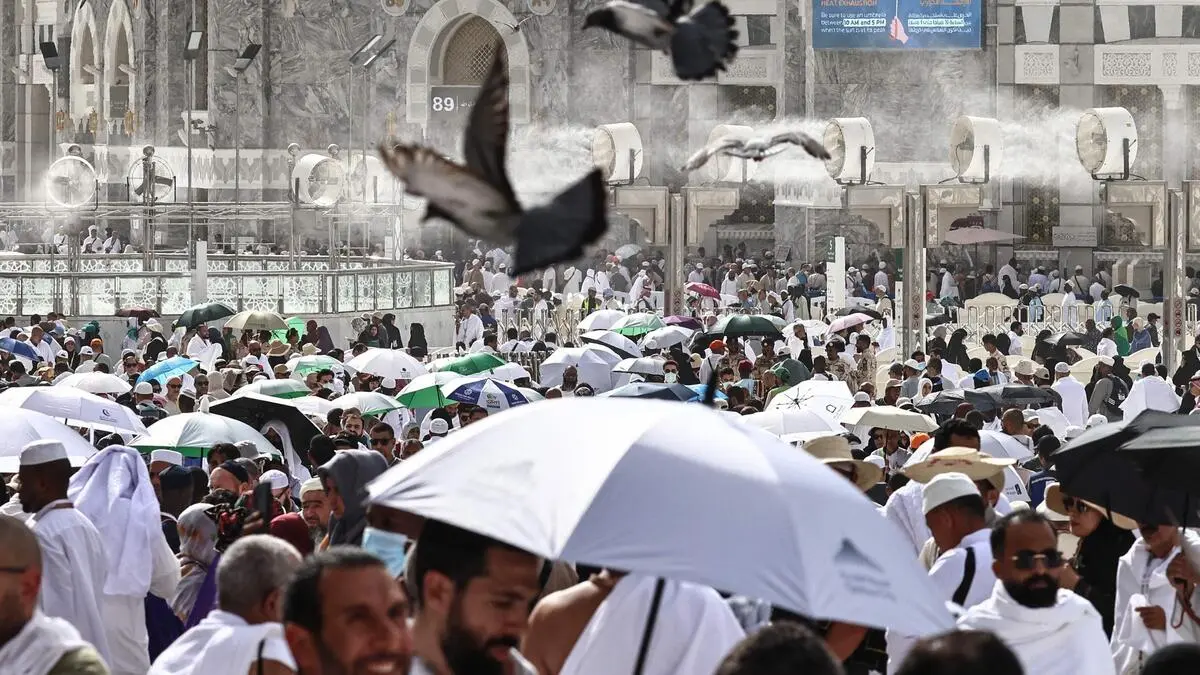
Extreme heat further complicated the pilgrimage, with temperatures reaching 45°C (113°F) in Makkah. Pilgrims were advised to stay hydrated and avoid prolonged exposure to the sun, as the majority of the journey occurs outdoors in a vast tent city. Salzburger Nachrichten highlighted that the heat posed “a significant challenge,” with some pilgrims risking dehydration during the grueling rituals. The 2024 Hajj, which saw over 1,300 deaths due to heat, loomed as a grim reminder of the dangers.
Saudi authorities intensified security, including deploying air defense systems to intercept potential threats. The Ministry of Defense shared footage of troops positioning anti-aircraft units near Makkah, emphasizing their role in “protecting the airspace over holy sites and ensuring the inner peace of pilgrims,” as reported by Salzburger Nachrichten.
Logistical and Economic Strains
The Hajj’s logistical demands were compounded by rising costs, with travel expenses for many pilgrims soaring due to the conflict. Airlines imposed surcharges, and flights became scarcer, particularly for pilgrims from Iraq, who were forced to travel by land to avoid restricted airspace. DiePresse.com noted that Baghdad’s decision to reroute pilgrims via Iraq’s northern border with Saudi Arabia added to the journey’s complexity.
For many, the financial burden of the Hajj remains prohibitive. Pilgrimage packages, which often include flights and accommodations, can cost upwards of €5,000 per person. Despite these hurdles, the event continued, underscoring its spiritual significance for Muslims worldwide.
The Rituals of Arafat and Beyond
The climax of the pilgrimage occurred on Mount Arafat, where pilgrims gathered to pray and reflect, following the tradition of Prophet Muhammad’s final sermon. news.google.com described the scene as “a sea of white robes” under the scorching sun. After Arafat, pilgrims moved to Mina to perform the symbolic “Steinigung des Teufels” (stoning of the devil), a ritual involving casting pebbles at pillars representing Satan.

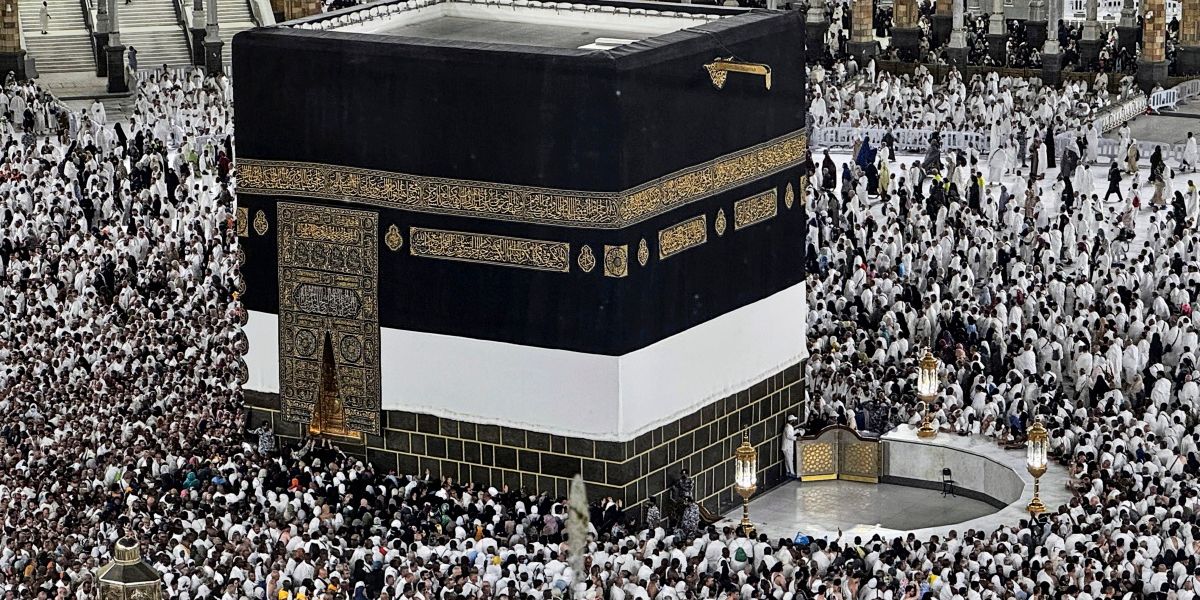
The pilgrimage’s final stages, including the Tawaf around the Kaaba and the farewell circumambulation, are scheduled for the coming days. These rituals, which require physical endurance and spiritual focus, are central to the Hajj’s meaning for participants.
Implications and the Path Forward
The 2026 Hajj highlights the intersection of faith, geopolitics, and climate challenges. While Saudi Arabia has managed to host the event despite the Iran-Kurdish conflict, the reduced participation from Iran and the logistical strains underscore the broader impact of regional instability. Analysts note that the kingdom’s ability to balance security, tradition, and international relations will be critical in maintaining the Hajj’s integrity.
As the pilgrimage concludes, the focus will shift to the long-term effects of the conflict on Muslim communities and the global Islamic calendar.
