
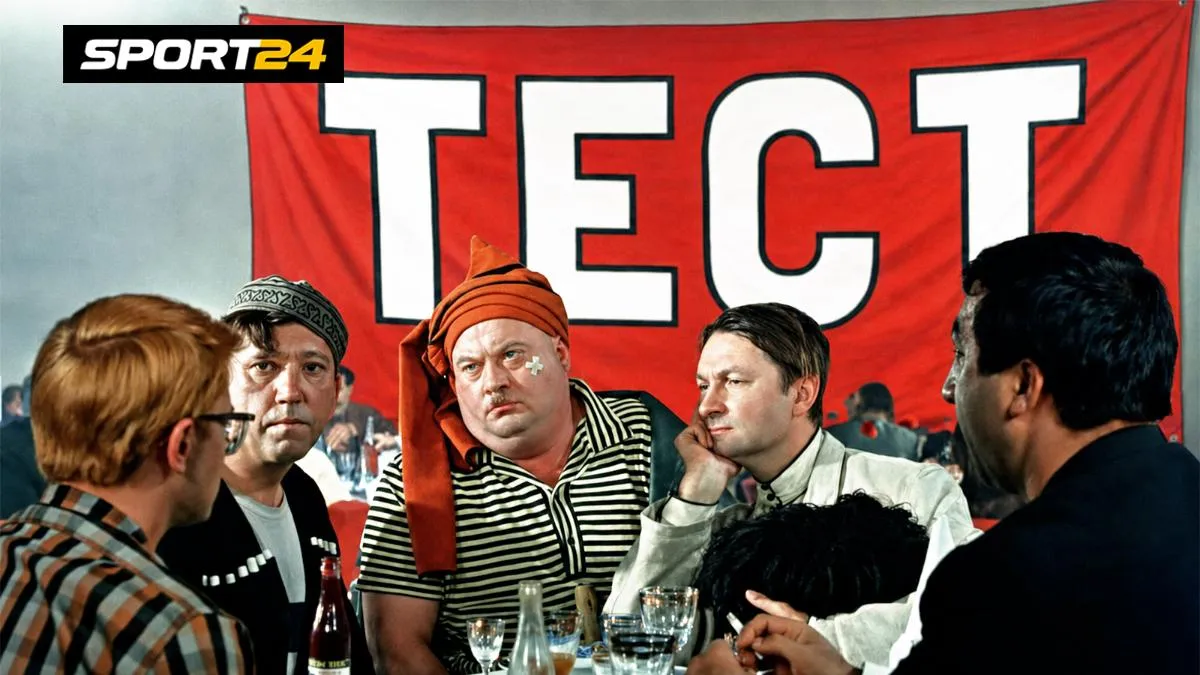
Soviet-era cinema remains a foundational pillar of national culture as of May 2026, with classic films continuing to inspire new generations. Various digital platforms are currently hosting interactive tests that challenge viewers to identify legendary Soviet movies based solely on specific frames, landscapes, or the absence of main characters.
The Enduring Cultural Legacy of Soviet Filmmaking
The film industry in the Soviet era functioned as more than just a commercial enterprise; it was a profound cultural phenomenon that captured the collective history and social evolution of the time. The state-supported infrastructure, which included dedicated film studios and specialized educational institutions, ensured a steady production of high-quality works. These films were characterized by a deep emotional resonance, народная мудрость, and a unique atmosphere created through the collaboration of talented directors, screenwriters, and actors who became household names across the country.


As noted by svobodanews.ru, the era was defined by packed cinema halls and eager crowds waiting for premieres. This intense public interest was driven by both the relevance of the themes explored and the magnetic performances of the cast. Even decades later, these films occupy a central place in television programming and retrospective festivals, proving that the artistic efforts of that period remain relevant to the modern viewer.
Industry analysts point to the distribution model of the era as a key factor in this lasting impact. Unlike contemporary fragmented streaming environments, Soviet cinema benefited from a centralized distribution network that ensured films reached audiences from Kaliningrad to Vladivostok simultaneously. This created a shared cultural vocabulary that persists in contemporary digital discourse. The focus on human-centric storytelling, often stripped of the high-octane spectacle favored in modern global blockbusters, allows these films to maintain a “timeless” quality that resonates with viewers who seek character-driven narratives.
Interactive Challenges and the Nostalgia Factor
In the most recent quarter, digital media outlets have leveraged this enduring popularity by introducing thematic quizzes designed to test the memory of dedicated fans. These tests often require participants to identify iconic films through minimalist cues. Sport24.ru highlights that true connoisseurs of Soviet cinema should be able to recognize legendary works even when the primary characters are removed from the frame. This approach shifts the focus from star-power to the distinct visual language and set design that defined Soviet productions.
The technical execution of these digital assessments reflects a sophisticated understanding of viewer engagement. By isolating background details—such as the specific architectural style of a Khrushchev-era apartment building or the distinct color palette of a 1970s interior—platforms are effectively gamifying film history. This methodology has proven successful in driving traffic to legacy media archives, as younger demographics attempt to bridge the generational gap through these interactive, low-stakes examinations of their cultural heritage.
Beyond static frames, other platforms are focusing on the environmental storytelling inherent in these movies. Nakhodka.Media emphasizes that Soviet directors had a unique ability to capture the sensory experience of a season—specifically summer—through images of sun-drenched courtyards, southern embankments, and coastal vacations. These visual triggers are used in current online tests to evoke a sense of warmth and nostalgia, challenging users to identify films based purely on their aesthetic summer backdrops.
Essential Works Shaping National Identity
While thousands of films were produced, certain titles have cemented themselves as essential viewing. According to Peterburg2.ru, these pictures are not merely historical artifacts but are still actively watched and discussed today. Among the most cited examples are:
.jpg "cluster (priority): Peterburg2.ru")
- The Irony of Fate, or Enjoy Your Bath!: A staple of holiday traditions, recognized for its subtle humor and distinct atmosphere.
- Office Romance: A comedy noted for its realistic dialogue and character-driven narrative that remains relevant regardless of the decade.
- Moscow Does Not Believe in Tears: An Academy Award-winning melodrama that traces the lives and career aspirations of three women over two decades.
These films are frequently featured in current digital assessments, as they represent a baseline of cultural literacy for those engaging with Soviet-era content. The ongoing interest in these stories indicates a persistent desire among audiences to revisit narratives that focus on simple joys and the search for happiness, themes that many viewers find lacking in contemporary projects. The critical acclaim surrounding these specific titles, particularly the international recognition garnered by Moscow Does Not Believe in Tears, continues to bolster their status as “must-watch” entries in any retrospective study of Eastern European cinema.
The Future of Soviet Film Appreciation
As we move further into 2026, the intersection of technology and classic cinema continues to evolve. The proliferation of online quizzes serves as a testament to the fact that these movies have transitioned from contemporary entertainment to a permanent part of the national cultural heritage. By gamifying the experience of watching—and remembering—these films, platforms are ensuring that the works of directors like Eldar Ryazanov and others continue to reach new, younger audiences.
Furthermore, the preservation efforts led by major state-backed film archives are increasingly integrating with these digital platforms to provide high-definition restorations of classic footage. This technical refinement ensures that the visual cues utilized in current quizzes remain sharp and recognizable, preventing the degradation of the “visual language” that experts emphasize as a key component of the films’ enduring appeal. The challenge for viewers remains consistent: to look past the surface and recognize the craftsmanship that made Soviet cinema a global success, ensuring that the legacy remains vibrant for decades to come.
