

The Mechanics of UV Radiation and Health Risks

Ultraviolet radiation is a form of non-ionizing radiation emitted by the sun and artificial sources, such as tanning beds, mercury vapor lighting, and certain lasers. According to the Centers for Disease Control and Prevention (CDC), UV radiation is categorized into three primary types—UVA, UVB, and UVC—based on their wavelengths. While nearly all UV radiation reaching Earth is UVA, UVB rays also penetrate the atmosphere, and both contribute to health risks.
The biological impact of this radiation is significant. While the skin produces vitamin D—which is essential for absorbing calcium and phosphorus—through UV exposure, the risks of overexposure are well-documented. Sunburn acts as a sign of acute, short-term damage. More critically, prolonged exposure is linked to premature skin aging, wrinkles, and the development of skin cancer. Skin cancer is currently the most common form of cancer in the United States, with basal cell and squamous cell cancers frequently appearing on areas with high sun exposure, such as the face, neck, and arms. Melanoma, the most dangerous form, is also strongly associated with UV exposure.
Implementing Effective Protection Protocols
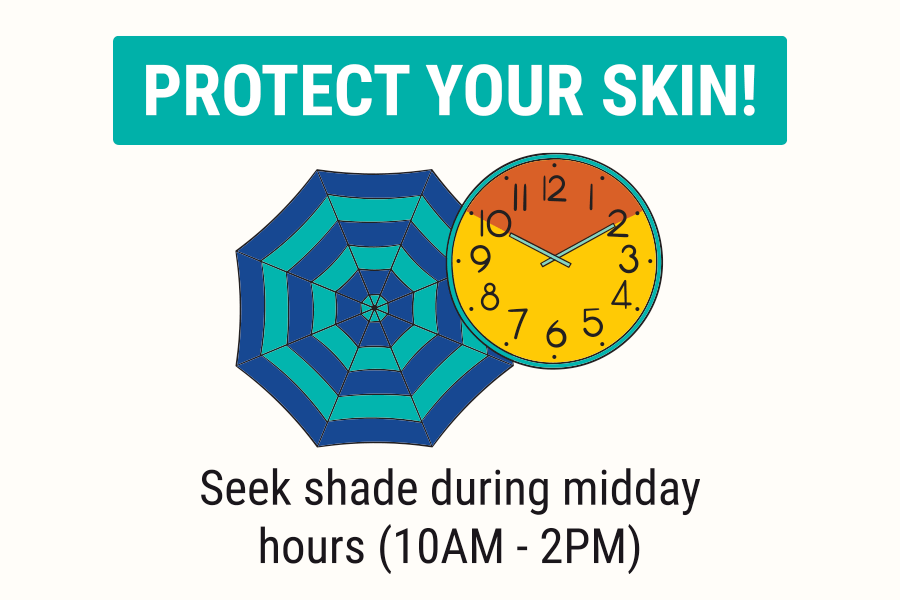
Protecting against UV radiation requires a multi-layered approach, especially during the four-hour window surrounding “solar noon,” when the sun is at its highest point and radiation levels peak. As reported by the BBC, the UV Index (UVI) serves as an international standard for measuring this intensity, with values starting at zero and rising above 10. The higher the index, the faster potential damage to the skin and eyes can occur.
To mitigate these risks, health organizations recommend several standard protocols:
- Seek Shade: Avoiding direct sunlight during midday hours is one of the most effective ways to limit exposure.
- Wear Protective Clothing: Long-sleeved shirts, long pants, and wide-brimmed hats provide physical barriers. Fabrics that are tightly woven and dry offer superior protection compared to loose or wet materials.
- Use Sunscreen: Broad-spectrum sunscreen with an SPF of at least 15—or 30, according to the American Cancer Society—should be applied generously to all exposed skin, including the scalp, ears, and tops of the feet.
- Protect Your Eyes: Wear wraparound sunglasses that specifically block both UVA and UVB rays to prevent conditions like cataracts.
It is important to note that even on cloudy days or while in the shade, UV rays can reflect off surfaces, meaning secondary protection remains necessary. Furthermore, the UVdrop environmental tracking platform highlights that individuals should monitor local UV forecasts to adjust their outdoor safety protocols based on real-time government data.
Technical Considerations for PyTorch Users
For researchers and developers managing deep learning projects, the use of uv has become a standard method for handling complex Python dependencies. As of May 2026, managing PyTorch environments requires careful configuration due to the framework’s non-standard packaging, which often involves hosting wheels on dedicated indexes rather than the default Python Package Index (PyPI).
Because PyTorch produces distinct builds for different hardware accelerators—such as CPU-only versus CUDA—developers must specify their target environment within their project files. A typical configuration for a new project, initialized with uv init --python 3.14, might include the following dependencies:
“dependencies = [ “torch>=2.11.0”, “torchvision>=0.26.0”, ]”docs.astral.sh
To support specific hardware, users must often update their pyproject.toml to point to the correct PyTorch index. For example, when prioritizing specific CUDA versions or Intel GPU support, the configuration should use explicit index sourcing to ensure that only PyTorch-related packages are pulled from the dedicated repositories, while general dependencies remain sourced from PyPI.
Managing Long-Term Exposure Factors
Beyond simple timing, individual risk factors play a significant role in how one should approach sun safety. The CDC notes that those with light-colored skin, hair, and eyes, or those with a family history of skin cancer, face higher risks. Additionally, certain medications—including specific antibiotics, birth control pills, and benzoyl peroxide products—can increase skin and eye sensitivity to UV radiation.
As we move through the remainder of the year, the combination of environmental awareness and personal protective habits remains the primary defense against the long-term health consequences of ultraviolet radiation. Whether monitoring local index forecasts or ensuring that clothing and sunscreen meet recommended protection factors, the objective remains the same: balancing the benefits of natural sunlight with the necessity of mitigating DNA damage in skin cells.
