
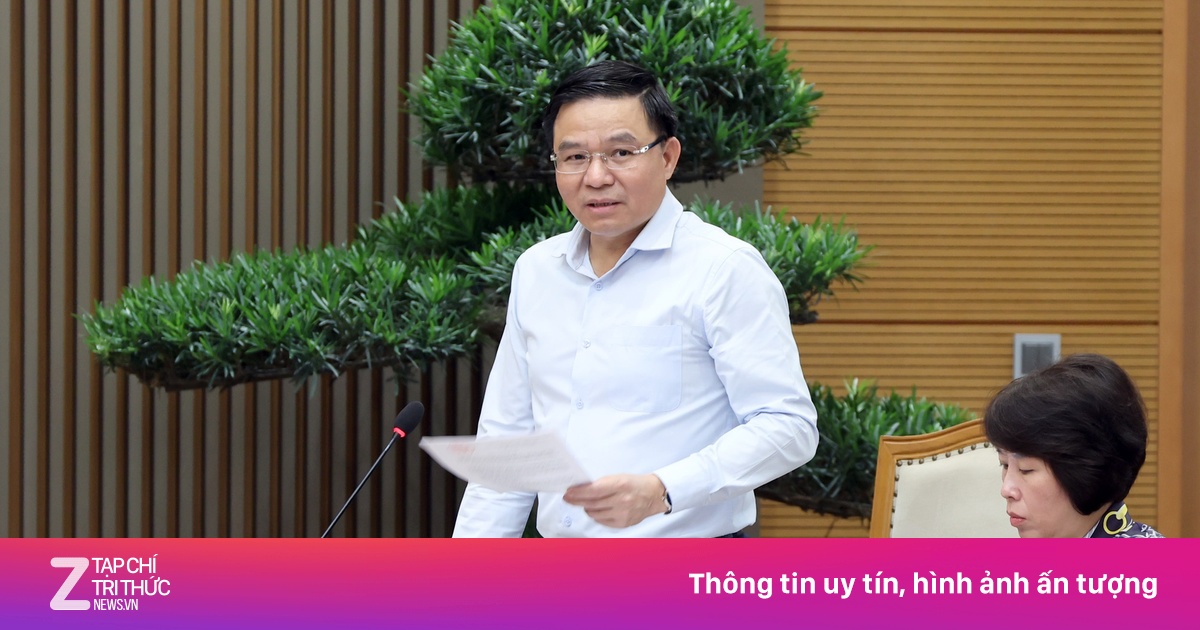
Vietnam’s Ministry of Industry and Trade warned on May 26, 2026, that numerous power generation and grid projects are failing to meet essential development timelines. Officials cautioned that these delays threaten national energy security and the country’s ambitious goal of achieving double-digit economic growth between 2026 and 2030.
Energy Security and the Risk of Shortfalls

During a meeting to review critical energy infrastructure, government officials underscored the urgent need to accelerate power source development. The national energy strategy, outlined in the Eighth Power Development Plan (PDP VIII), requires a significant expansion of capacity to support sectors ranging from high-tech manufacturing to the rapidly growing demand from data centers.
According to reporting from news.google.com, the Ministry of Industry and Trade has identified that many projects are currently lagging behind their scheduled operational dates. This stagnation creates a tangible risk that the country will fail to meet the supply requirements established in the official energy roadmap for 2030. If these projects remain behind schedule, the potential for electricity shortages becomes a major concern for the national economy. The Ministry emphasized that the current trajectory of project implementation is insufficient to meet the load growth forecasts necessitated by the projected industrial expansion, particularly in northern industrial zones that require high-reliability power connections.
Structural Challenges in PDP VIII Implementation
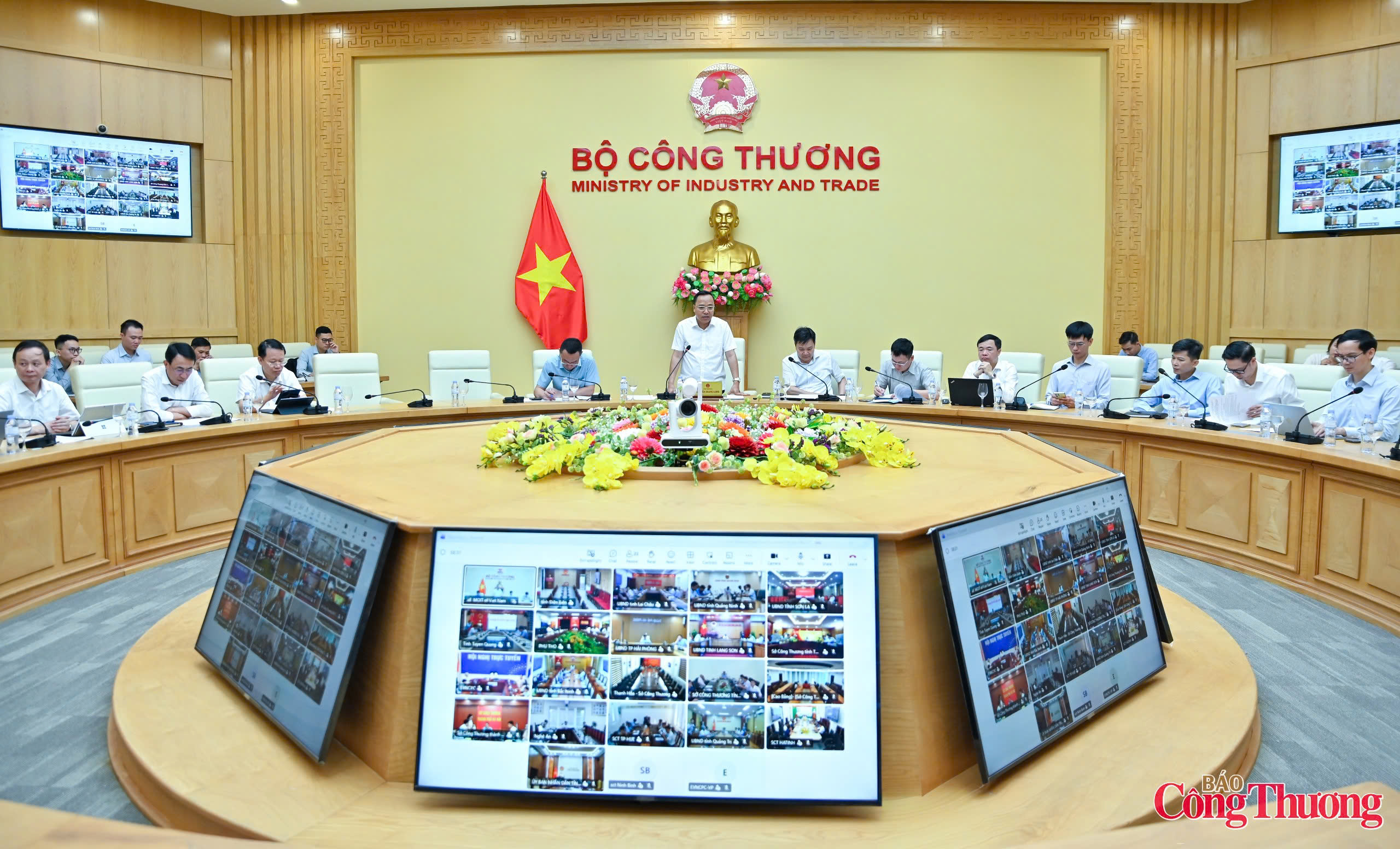
The implementation of the Eighth Power Development Plan has faced complex hurdles, particularly regarding the composition of the nation’s power mix. Minister of Industry and Trade Nguyen Hong Dien noted that while the plan projects a total system capacity by 2030 nearly double the current levels, specific sectors are struggling to keep pace.
As detailed by baochinhphu.vn, a significant portion of this planned growth relies on gas-fired power projects. However, these projects face delays and economic challenges, as the cost of gas-fired electricity is expected to remain high, potentially driving up power prices by the end of the decade. Consequently, the Ministry has received approval to conduct a comprehensive review of the PDP VIII to adjust the structure of energy sources, aiming for a more feasible and globally aligned development path. Minister Nguyen Hong Dien highlighted that the review will focus on addressing the current imbalance between the planned capacity of gas-fired plants and the actual progress of infrastructure development, noting that investors have encountered difficulties in securing capital and finalizing long-term power purchase agreements under the existing framework.
Strategic Priorities and Regulatory Adjustments
To mitigate these risks, the government is prioritizing the completion of transmission infrastructure, specifically inter-regional lines and high-capacity projects designed to release power from new plants. The Ministry of Industry and Trade has proposed a series of urgent interventions to ensure stability.
Key proposals include:
- Establishing a list of urgent, high-priority power projects to be fast-tracked immediately.
- Developing a reasonable power generation pricing framework to incentivize investment.
- Expanding the use of battery energy storage systems (BESS) alongside renewable energy sources.
- Implementing stricter oversight and sanctions for developers and local authorities that fail to meet construction deadlines.
These measures are intended to align with the broader goals set by the Party and the government. As noted in documentation from moit.gov.vn, the focus remains on ensuring that infrastructure development supports the 2026–2030 economic growth targets while simultaneously fulfilling commitments to green energy transition and emissions reduction. The Ministry has directed provincial authorities to streamline administrative procedures, specifically regarding land clearance and environmental impact assessments, which have been cited as primary drivers for the current project delays.
The Path Toward 2030 and Beyond
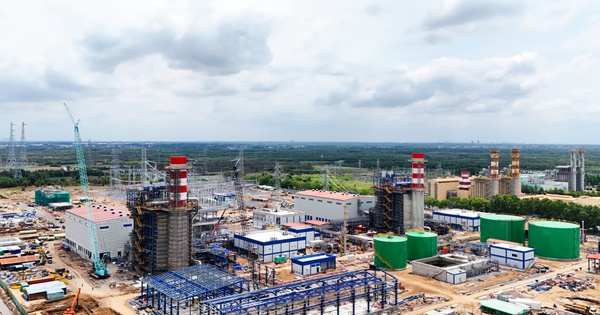
The urgency of these reforms is rooted in the political and economic mandate to modernize the nation’s energy infrastructure. The Ministry is actively coordinating with the Vietnam Electricity (EVN) group and other national units to resolve bottlenecks in specific projects, including the transmission lines required for power imports from Laos and the capacity evacuation for the Nhơn Trạch 3 and Nhơn Trạch 4 thermal power plants.
Technical teams from the Ministry are currently conducting on-site inspections of major thermal power projects to identify specific equipment procurement delays and construction management inefficiencies. The Ministry has requested that EVN provide monthly progress reports on the integration of these plants into the national grid to ensure that the 2030 capacity targets remain achievable.
Moving forward, the focus will shift toward creating breakthrough mechanisms for offshore wind power and coastal energy industrial hubs. By refining the implementation of the Eighth Power Development Plan, the Ministry seeks to ensure that the national grid can handle the projected increase in demand, effectively balancing the need for rapid industrial expansion with the requirement for a reliable, sustainable power supply. This involves a fundamental shift in regulatory strategy, moving away from fragmented project approvals toward a more integrated, master-planning approach that prioritizes grid stability and regional load balancing as core components of national economic policy through the remainder of the decade.
